Brazilian Grand Prix
Formula One racing electrifies São Paulo at Interlagos each year
The Brazilian Grand Prix is a major Formula One race held annually at the Autódromo José Carlos Pace in São Paulo, Brazil. Since 1990, the event has brought together top drivers and fans for a challenging and often dramatic contest on one of F1’s most storied circuits.
- Held at Interlagos in São Paulo since 1990
- First run as a Formula One championship race in 1973
- Known for dramatic, championship-deciding races
- Previously hosted at Jacarepaguá in Rio de Janeiro
- Famous Brazilian winners include Fittipaldi, Piquet, and Senna
What it is
The Brazilian Grand Prix is a highlight of the Formula One calendar, drawing global attention to São Paulo each year. The race takes place at the Autódromo José Carlos Pace, better known as Interlagos, a circuit famed for its demanding layout and unpredictable weather. For many Brazilians, the event is more than a sporting contest—it's a celebration of national pride and the country’s deep connection to motorsport, shaped by legends like Emerson Fittipaldi, Nelson Piquet, and Ayrton Senna. The atmosphere is charged with excitement as fans gather to cheer for their heroes and witness the drama unfold on the track.
Where it comes from
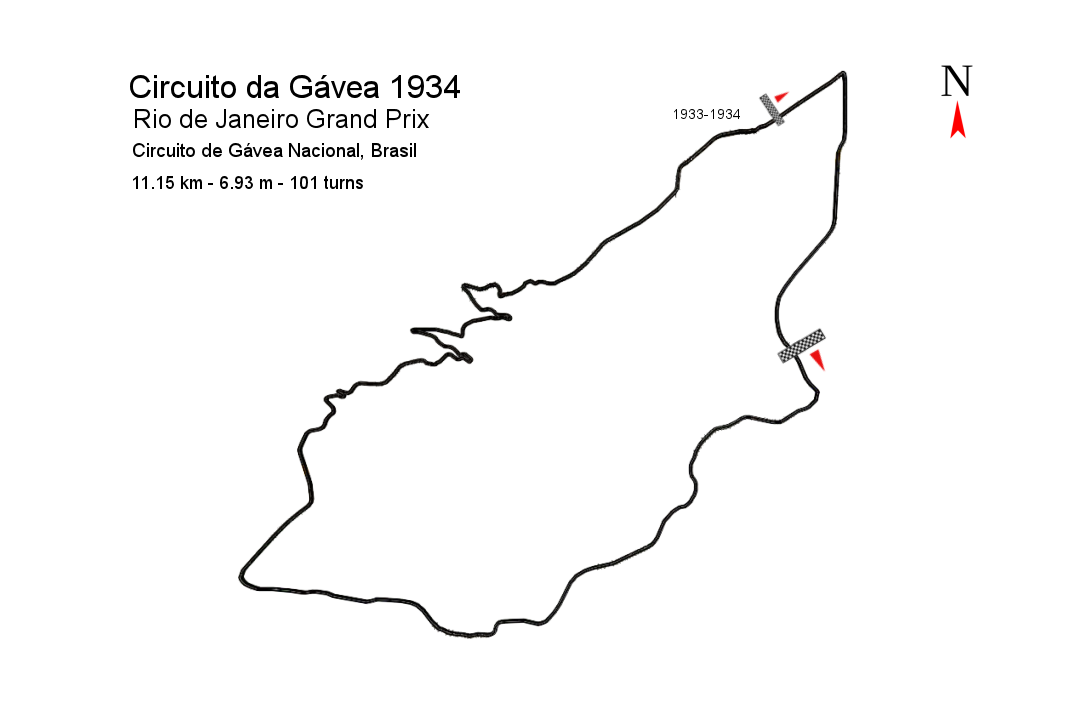
Motor racing in Brazil began before World War II, with early competitions on street circuits in Rio de Janeiro. The construction of the Interlagos circuit in São Paulo in 1940 marked a new era for Brazilian motorsport. The first Brazilian Grand Prix was held in 1972 as a test event, joining the Formula One World Championship calendar the following year. Over the decades, the race has alternated between Interlagos and the Jacarepaguá circuit in Rio de Janeiro, before settling permanently at Interlagos in 1990 after major renovations. The event has since become a fixture in international racing, known for its passionate fans and memorable moments.
How it is celebrated
Race weekend at Interlagos is a vibrant affair, with fans filling the grandstands and hillside viewing areas, waving flags and wearing the colors of their favorite teams and drivers. The event typically spans several days, including practice sessions, qualifying, and the main race. The circuit’s challenging corners and elevation changes make for thrilling on-track action, often influenced by sudden changes in weather. Food stalls and vendors offer Brazilian snacks and drinks, while music and festivities add to the lively atmosphere. The crowd’s energy peaks as the cars roar past, and the celebrations continue long after the checkered flag, especially if a Brazilian driver performs well.


Joining in
Visitors to the Brazilian Grand Prix can expect a festive and welcoming environment at the Autódromo José Carlos Pace in São Paulo’s Interlagos neighborhood. The main celebrations and race events are centered at the circuit, with easy access from the city. Arriving early allows fans to explore the grounds, enjoy local food, and soak in the anticipation. Whether you’re a lifelong motorsport enthusiast or a newcomer, the excitement of race day and the passion of Brazilian fans make for an unforgettable experience.
Sources and attribution
This page is Mela's own summary, written in new words. Its facts are drawn from the Wikipedia article Brazilian Grand Prix, whose text is available under the CC BY-SA 4.0 licence, and from its Wikidata record (CC0). Each photo is credited to its author beside it. For the full account, read the originals below.
Read more
- Brazilian Grand Prix on WikipediaEncyclopedia
- More photos on Wikimedia CommonsPhotos
- Wikidata recordOpen data
This page was written with AI assistance from the sources listed above, and checked automatically before publishing. Spotted a mistake? Tell us. Last refreshed 2026-10-02.
 Cultural
 Spiritual
 Cultural
 Music
Music Sports
 Sports
 Sports
 Sports