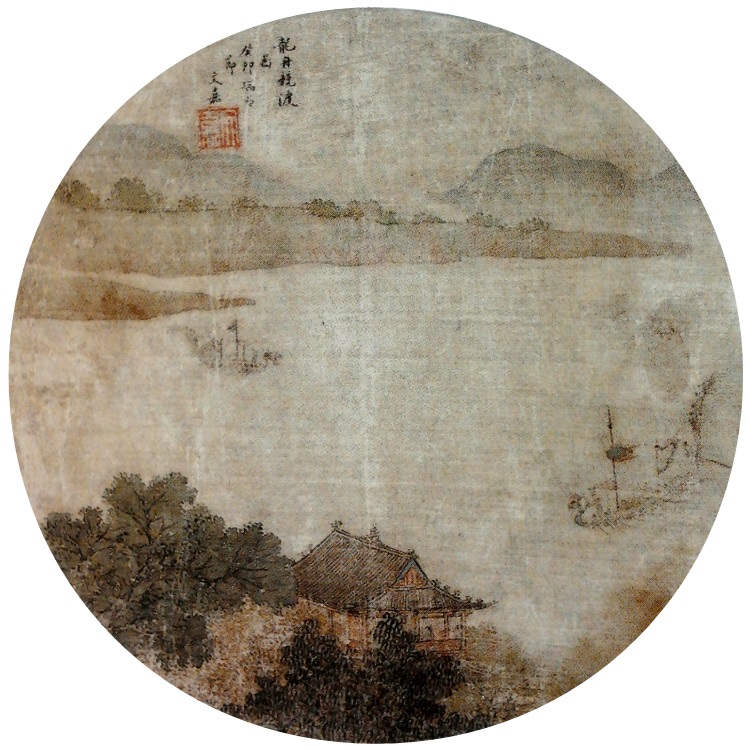
The Dragon Boat Festival, or Duanwu Festival, is a traditional celebration observed in China, Taiwan, Hong Kong, and other parts of East Asia. Taking place each year according to the Chinese lunar calendar—typically in late May or early June—it features lively boat races and special foods such as zongzi.
- Dragon boat races are the festival’s signature event
- People eat zongzi, sticky rice dumplings wrapped in leaves
- Homes are decorated with aromatic plants for protection
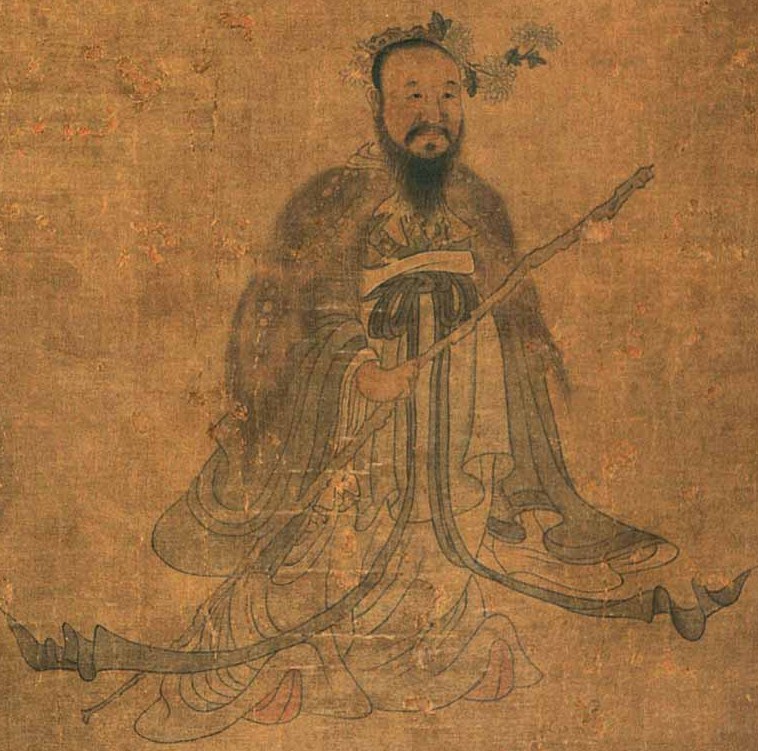
- Honors legendary figures like Qu Yuan and Wu Zixu
- Recognized as Intangible Cultural Heritage by UNESCO
What it is
The Dragon Boat Festival stands out as a major event in Chinese culture, bringing communities together to honor legendary figures and seek protection from misfortune. Held in the early summer, it is known for its dramatic dragon boat races and the sharing of zongzi, which are sticky rice dumplings wrapped in leaves. While the festival is most closely linked to remembering the poet Qu Yuan, it is also a time when people take steps to keep away bad luck and illness, reflecting both ancient beliefs and local traditions. Today, it is a public holiday in many places and remains a vibrant expression of Chinese heritage.
Where it comes from
The roots of the festival reach far into the past, with several stories woven into its history. One of the best-known legends speaks of Qu Yuan, a statesman and poet from the ancient state of Chu, who drowned himself in the Miluo River in despair. Local people, wishing to save him or recover his body, are said to have paddled out in boats, which is thought to be the beginning of the boat races. Other regions remember figures such as Wu Zixu or the devoted daughter Cao E. Some scholars believe the festival may have started as a way to mark the arrival of summer, protect against disease, or show reverence for dragons and the harvest.
How it is celebrated
Celebrations are filled with color and energy. The most famous tradition is the racing of long, narrow boats decorated as dragons, with teams paddling to the beat of drums. Families and friends gather to make and eat zongzi—glutinous rice parcels stuffed with fillings, wrapped in bamboo leaves, and steamed or boiled. Homes are often decorated with plants like calamus and mugwort, believed to keep evil spirits and illness at bay. In some places, people also drink realgar wine or create charms for children to ward off harm. While customs can vary from place to place, the festival always brings people together in the spirit of remembrance and good fortune.


Joining in
If you visit during the festival, you’ll find the grandest celebrations along rivers and lakes in cities across China and Taiwan, such as Hong Kong and Macau. Expect to see crowds cheering for their favorite dragon boat teams and families sharing food by the water. Visitors can sample zongzi and watch or even join local festivities, which often include music, folk performances, and lively street scenes. It’s a unique chance to experience a cherished tradition firsthand.
Sources and attribution
This page is Mela's own summary, written in new words. Its facts are drawn from the Wikipedia article Dragon Boat Festival, whose text is available under the CC BY-SA 4.0 licence, and from its Wikidata record (CC0). Each photo is credited to its author beside it. For the full account, read the originals below.
Read more
- Dragon Boat Festival on WikipediaEncyclopedia
- Encyclopaedia BritannicaArticle
- UNESCO Intangible Cultural HeritageArticle
- More photos on Wikimedia CommonsPhotos
- Wikidata recordOpen data
This page was written with AI assistance from the sources listed above, and checked automatically before publishing. Spotted a mistake? Tell us. Last refreshed 2026-10-03.
More cultural celebrations
See them all Cultural
Junvaries
Father's Day🇩🇿 Algeria and 45 more countries
Cultural
Junvaries
Father's Day🇩🇿 Algeria and 45 more countries
 Cultural
Junvaries
Children's Day🇦🇲 Armenia and 30 more countries
Cultural
Junvaries
Children's Day🇦🇲 Armenia and 30 more countries
 Cultural
Junvaries
Pride parade🇦🇷 Argentina and 34 more countries
Cultural
Junvaries
Pride parade🇦🇷 Argentina and 34 more countries
 Cultural
23Jun
Festa de São João do Porto🇵🇹 Porto, Portugal
Cultural
23Jun
Festa de São João do Porto🇵🇹 Porto, Portugal
 Cultural
21Jun
International Day of Yoga🇨🇳 China and 6 more countries
Cultural
21Jun
International Day of Yoga🇨🇳 China and 6 more countries
 Cultural
Junvaries
Festa Junina🇧🇷 Caruaru, Brazil
Cultural
Junvaries
Festa Junina🇧🇷 Caruaru, Brazil
 Cultural
Junvaries
Sabantuy🇷🇺 Russia and 8 more countries
Cultural
Junvaries
Sabantuy🇷🇺 Russia and 8 more countries
 Cultural
Junvaries
Pride Month🇨🇦 Canada and 7 more countries
Cultural
Junvaries
Pride Month🇨🇦 Canada and 7 more countries