
The Palio di Asti is a historic Italian festival held in Asti, featuring a dramatic bareback horse race. Taking place every first Sunday of September in Piazza Alfieri, it draws on medieval traditions and brings together the city's districts and surrounding villages in a vibrant contest.
- Bareback horse race in Piazza Alfieri, Asti
- Tradition dates back to at least 1275
- Held every first Sunday of September
- Districts and villages compete for a decorated banner
- Features historical costumes and processions
What it is
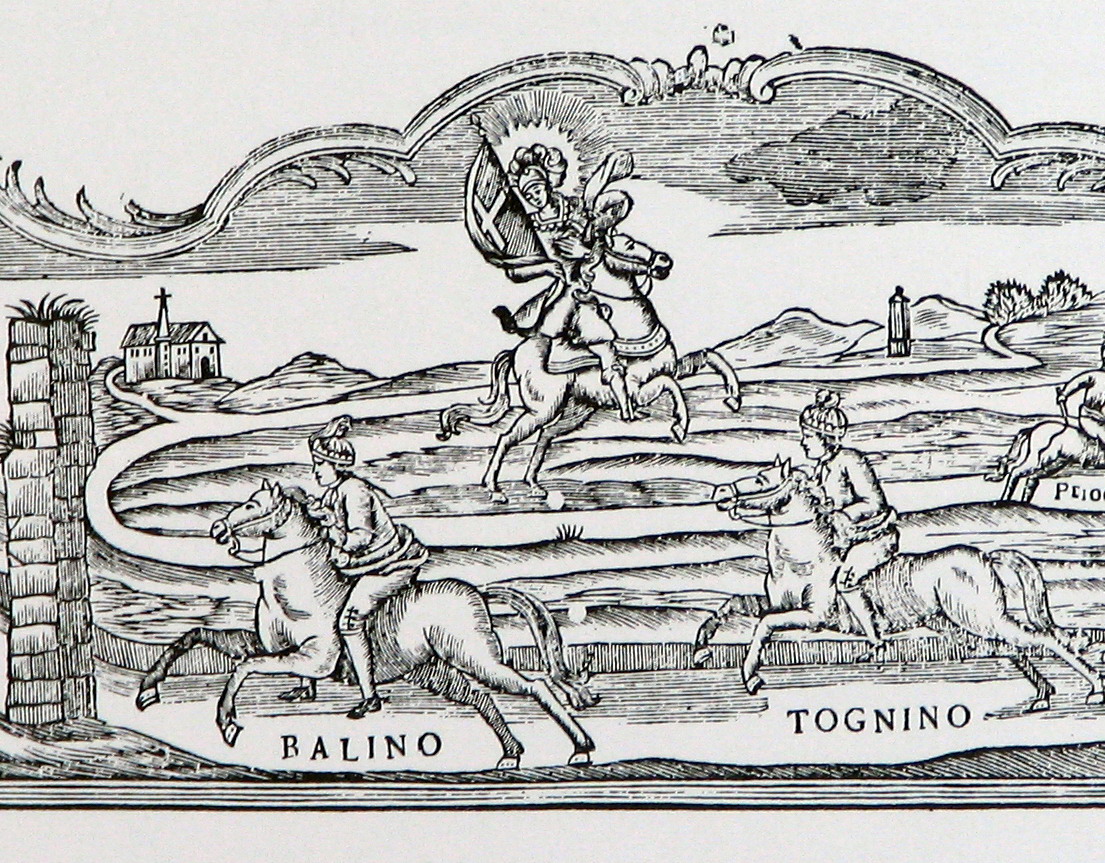
The Palio di Asti is a traditional festival rooted in the medieval history of Asti, Italy. Its centerpiece is a thrilling bareback horse race, where riders representing different districts and nearby villages compete for the coveted palio, a decorated banner. The event is not only a test of speed and skill but a celebration of local identity, pride, and centuries-old customs. The festival transforms the city’s central Piazza Alfieri into a lively arena, drawing crowds who come to witness the spectacle and take part in the communal excitement.
Where it comes from
The Palio di Asti traces its origins to at least the 13th century, with the first known record from 1275. Initially run on the feast day of Asti’s patron saint, San Secondo, the race was deeply tied to religious devotion and civic privilege. Over the centuries, the course and timing of the race shifted, reflecting changes in the city’s politics and urban landscape. The event has survived interruptions and transformations, including secularization in the 19th century and a revival in the 20th, always maintaining its role as a marker of Asti’s heritage.
How it is celebrated
Celebrations for the Palio di Asti center around the bareback horse race, which is the culmination of a series of rituals and traditions. Each participating district, village, or municipality enters a horse and rider, often accompanied by colorful banners and historical costumes. The race itself is run in the triangular Piazza Alfieri, with spectators filling the stands and surrounding streets. The atmosphere is charged with anticipation as the horses thunder around the track, cheered on by passionate supporters. The winner receives the palio banner, a symbol of honor and victory. The festival also features pageantry, processions, and a strong sense of community, reflecting both the competitive spirit and the shared history of Asti.


Joining in
Visitors to Asti during the Palio can expect a lively and immersive experience, especially in and around Piazza Alfieri where the main events unfold. Arriving early is recommended to secure a good view, as the square fills with locals and guests alike. While the race is the highlight, the days leading up to it offer processions and festive gatherings, providing a chance to witness Asti’s traditions up close. The city’s streets are alive with color, music, and the excitement of competition, making it a memorable occasion for newcomers.
Sources and attribution
This page is Mela's own summary, written in new words. Its facts are drawn from the Wikipedia article Palio di Asti, whose text is available under the CC BY-SA 4.0 licence, and from its Wikidata record (CC0). Each photo is credited to its author beside it. For the full account, read the originals below.
Read more
- Palio di Asti on WikipediaEncyclopedia
- More photos on Wikimedia CommonsPhotos
- Wikidata recordOpen data
This page was written with AI assistance from the sources listed above, and checked automatically before publishing. Spotted a mistake? Tell us. Last refreshed 2026-10-02.
 Sports
 Arts and film
 Sports
 Sports
 Cultural
 Cultural
 Cultural
 Cultural