
Quyllurit'i
A sacred Andean pilgrimage blending star lore and Catholic devotion in Peru
Quyllurit'i is a syncretic religious festival held annually in the Sinakara Valley, Cusco Region, Peru. Celebrated by indigenous Andean communities and Catholic pilgrims, it marks the reappearance of the Pleiades constellation and takes place in late May or early June, drawing thousands for processions, dances, and sunrise rituals.
- Held annually in the Sinakara Valley, Cusco Region, Peru
- Celebrates the reappearance of the Pleiades constellation
- Pilgrims greet the sunrise after the full moon
- Features processions, dances, and traditional music
- Recognized by UNESCO as Intangible Cultural Heritage
What it is
Quyllurit'i is a pilgrimage and festival that brings together indigenous Andean traditions and Catholic faith in the highlands of southern Peru. Held each year in the Sinakara Valley, it is a time when thousands of pilgrims gather to honor both the Lord of Quyllurit'i and the return of the Pleiades constellation, a sign of the coming harvest and new year for local communities. For many, the festival is a powerful expression of identity, devotion, and the enduring connection between the land, the stars, and the sacred. The event is recognized by UNESCO for its cultural significance.
Where it comes from
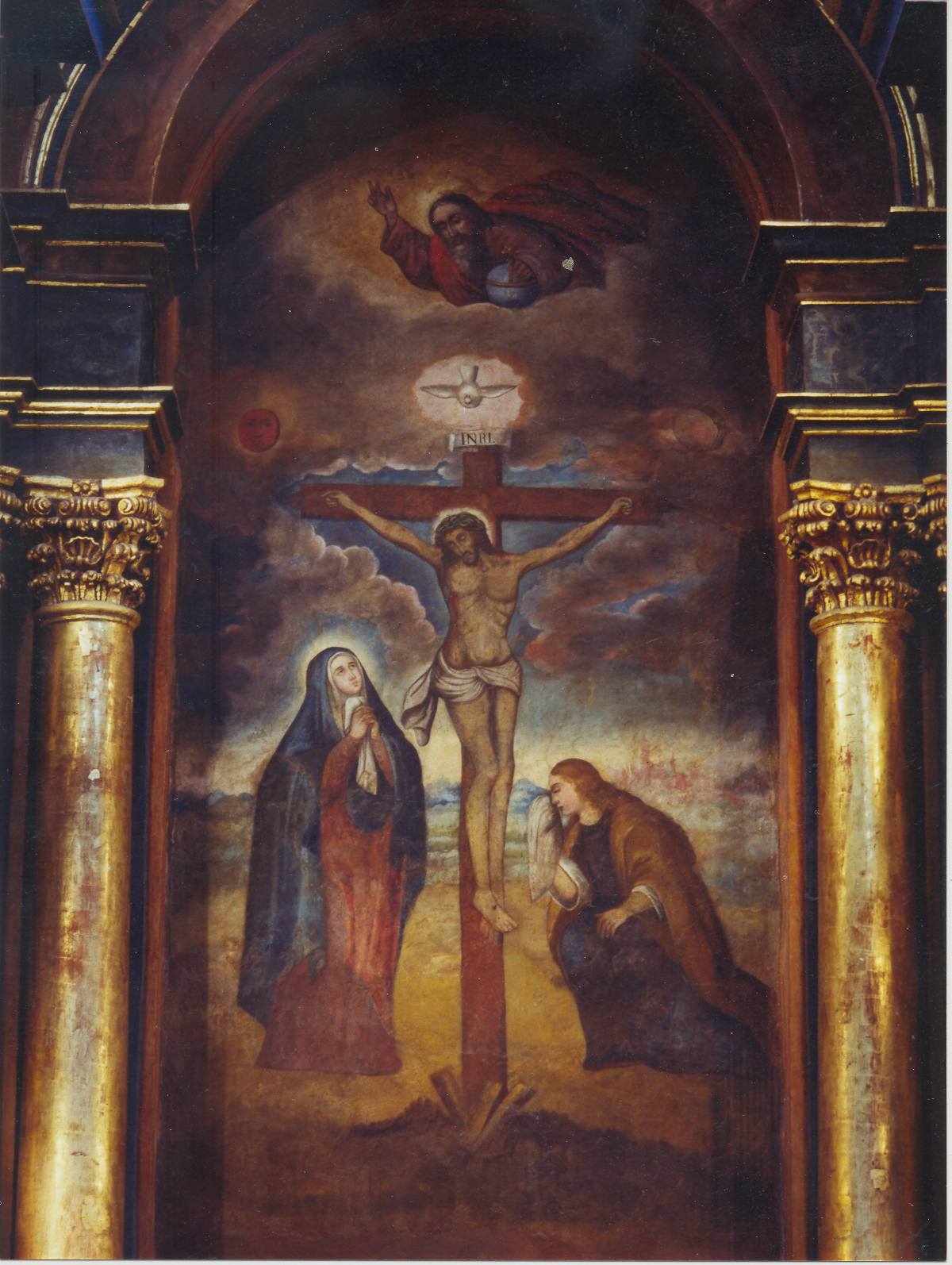
The origins of Quyllurit'i are rooted in both pre-Columbian Andean astronomy and Catholic legend. For the Inca and earlier peoples, the cycle of the Pleiades constellation was closely watched, as its disappearance and return signaled important agricultural seasons and a time of renewal. The Catholic tradition tells of a miraculous encounter on the mountain Qullqipunku in the late 18th century, where a native boy and a mysterious companion led to the appearance of a Christ image, now venerated as the Lord of Quyllurit'i. Over time, these beliefs merged, creating a festival that honors both indigenous cosmology and Christian faith.
How it is celebrated
Celebration centers on a days-long pilgrimage to the shrine of the Lord of Quyllurit'i, with participants arriving from different regions, each bringing their own music, dances, and traditions. Four main groups—ch'unchu, qulla, ukuku, and machula—play distinct roles in the rituals. The festival features processions of holy icons, vibrant dances, and all-night vigils. At dawn after the full moon, tens of thousands kneel to greet the first rays of the sun, a moment of deep spiritual significance. In the past, ukukus would climb the glacier to bring down blocks of ice believed to have healing powers, though this practice has changed due to the glacier's retreat. The festival is a time of communal gathering, prayer, and celebration, blending Andean and Catholic elements.


Joining in
Visitors can join the pilgrimage by traveling to the Sinakara Valley in the Cusco Region, where the main festivities unfold. Expect a challenging journey at high altitude, with large crowds, music, and continuous activity day and night. The atmosphere is both festive and reverent, with opportunities to witness traditional dances, processions, and the awe-inspiring sunrise ritual. While the event is rooted in local traditions, it welcomes outsiders who come with respect and a willingness to observe or participate in the spiritual and cultural practices.
Sources and attribution
This page is Mela's own summary, written in new words. Its facts are drawn from the Wikipedia article Quyllurit'i, whose text is available under the CC BY-SA 4.0 licence, and from its Wikidata record (CC0). Each photo is credited to its author beside it. For the full account, read the originals below.
Read more
- Quyllurit'i on WikipediaEncyclopedia
- UNESCO Intangible Cultural HeritageArticle
- More photos on Wikimedia CommonsPhotos
- Wikidata recordOpen data
This page was written with AI assistance from the sources listed above, and checked automatically before publishing. Spotted a mistake? Tell us. Last refreshed 2026-10-02.
 Cultural
 Cultural
 Spiritual
 Arts and film
 Spiritual
 Spiritual
 Spiritual
 Spiritual