
Rallye Deutschland
A three-day asphalt rally through vineyards, towns, and military grounds in Germany
Rallye Deutschland is a major annual rally motorsport event held in Germany since 1982, known for its challenging asphalt stages. Traditionally based around Trier, the rally features routes through vineyards, military training grounds, and rural roads, attracting large crowds and international competitors.
- All stages are run on asphalt surfaces
- Vineyard, military, and rural road stages create unique challenges
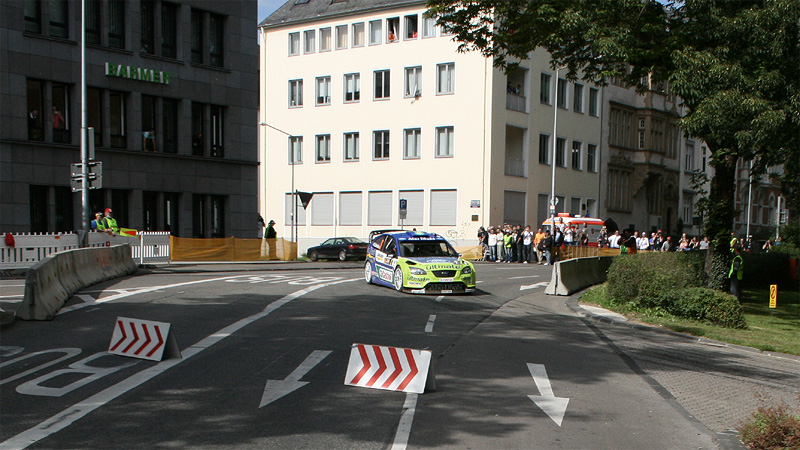
- Circus Maximus stage runs through downtown Trier
- Spectators can get very close to the action
- First held in 1982, based around Trier since 2000
What it is
Rallye Deutschland is a celebrated rally event that draws motorsport fans to Germany for a unique test of driving skill and endurance. The rally is famed for its all-asphalt stages, which wind through the steep vineyards of the Moselle, the rugged military grounds of Baumholder, and the fast rural roads of Saarland. Each day of the event offers a different character, making it feel like three rallies in one. For drivers and fans alike, the event is a highlight of the rally calendar, combining technical challenge, scenic landscapes, and the excitement of close-up spectating.
Where it comes from
First held in 1982, Rallye Deutschland began with routes around cities like Frankfurt, Mainz, and Koblenz. In 2000, the rally found a new home in the region around Trier, which became its focal point. Over the years, it transitioned from being part of the European and German Rally Championships to joining the World Rally Championship calendar in 2002. The rally has evolved in layout and organization, responding to feedback from fans and teams, and has become known for its innovative stages and large, enthusiastic crowds.
How it is celebrated
The rally unfolds over three days, each with its own distinctive stages. Friday takes competitors through the tight, twisting vineyard roads northeast of Trier, where spectators can watch cars pass just meters away. Saturday moves to the military training grounds of Baumholder, with rough concrete roads lined by massive 'Hinkelstones' and the famous Panzerplatte stage. Sunday returns to the vineyards and culminates in the Circus Maximus stage, a dramatic multi-lap sprint through downtown Trier around the Porta Nigra, where fans line the streets and grandstands. Throughout the event, the atmosphere is lively, with music, local food, and special events in Trier’s city center. The unpredictable weather adds to the challenge, often forcing teams to adapt quickly.



Joining in
Visitors can experience Rallye Deutschland at various points along the route, but Trier is the heart of the action. The city hosts the ceremonial start and finish, as well as the vibrant Circus Maximus stage in its historic center. Spectators can access stages in the vineyards, military grounds, and rural roads, often using shuttle services and local parking. Expect large crowds, especially in Trier, and a festive atmosphere with plenty of opportunities to see the cars and drivers up close.
Sources and attribution
This page is Mela's own summary, written in new words. Its facts are drawn from the Wikipedia article Rallye Deutschland, whose text is available under the CC BY-SA 4.0 licence, and from its Wikidata record (CC0). Each photo is credited to its author beside it. For the full account, read the originals below.
Read more
- Rallye Deutschland on WikipediaEncyclopedia
- More photos on Wikimedia CommonsPhotos
- Wikidata recordOpen data
This page was written with AI assistance from the sources listed above, and checked automatically before publishing. Spotted a mistake? Tell us. Last refreshed 2026-10-02.
 Arts and film
 Spiritual
 Spiritual
 Sports
 Sports
 Sports
 Sports
 Sports