
The Tour de France is an annual men's multi-stage road cycling race held mainly in France each July. Spanning over 21 stages and about 3,500 km, it draws top cyclists and teams from around the globe to compete for the iconic yellow jersey.
- Held annually since 1903, except during the World Wars
- Features 21 stages over about 3,500 km
- Finishes on the Champs-Élysées in Paris (except in 2024)
- Yellow jersey awarded to the overall leader
- Includes mountain stages in the Alps and Pyrenees
What it is
The Tour de France is the most renowned event in road cycling, attracting elite riders and teams to compete across a demanding course that traverses the varied landscapes of France. Over three weeks, cyclists tackle flat sprints, steep mountain climbs in the Alps and Pyrenees, and time trials, each stage contributing to their overall standing. The race is not only a test of athletic endurance and strategy but also a celebration of French culture, with crowds lining the roads and millions following the drama as it unfolds. The coveted yellow jersey marks the overall leader, while other jerseys reward sprinters, climbers, and young riders.
Where it comes from
The Tour de France began in 1903, conceived by the newspaper L'Auto to boost its circulation. Inspired by the popularity of long-distance cycling races, the first edition challenged riders to circle France in a series of grueling stages. Despite initial skepticism and logistical hurdles, the race quickly captured public imagination, doubling the newspaper's sales and establishing a new sporting tradition. Over the years, the Tour has evolved in format and length, surviving interruptions during the World Wars and adapting to new sporting and technological developments, but always maintaining its reputation as cycling's ultimate challenge.
How it is celebrated
Each year, the route of the Tour de France changes, but the format remains consistent: 21 day-long stages over 23 or 24 days, including flat, hilly, and mountainous terrain. Spectators gather along the roadsides, especially at famous climbs and the final stage in Paris, to cheer on the riders and soak in the festive atmosphere. The race is marked by colorful team uniforms, the spectacle of the publicity caravan, and the awarding of distinctive jerseys: yellow for the overall leader, green for the best sprinter, polka-dot for the top climber, and white for the best young rider. Local communities celebrate with roadside picnics, decorations, and events as the peloton passes through their towns.


Joining in
Visitors can experience the Tour de France by following the race route, joining crowds at key stages in the mountains or at the finish on the Champs-Élysées in Paris. Expect lively gatherings, passionate fans, and a unique blend of sporting excitement and French hospitality. Arriving early is essential for a good viewing spot, and the passing publicity caravan adds to the festive mood. While the route changes annually, the race always offers a chance to witness world-class cycling and the vibrant culture that surrounds it.
Sources and attribution
This page is Mela's own summary, written in new words. Its facts are drawn from the Wikipedia article Tour de France, whose text is available under the CC BY-SA 4.0 licence, and from its Wikidata record (CC0). Each photo is credited to its author beside it. For the full account, read the originals below.
Read more
- Tour de France on WikipediaEncyclopedia
- Official websiteOfficial site
- Encyclopaedia BritannicaArticle
- More photos on Wikimedia CommonsPhotos
- Wikidata recordOpen data
This page was written with AI assistance from the sources listed above, and checked automatically before publishing. Spotted a mistake? Tell us. Last refreshed 2026-10-02.
More sporting festivals
See them all Sports
Julvaries
British Grand Prix🇬🇧 Silverstone, United Kingdom
Sports
Julvaries
British Grand Prix🇬🇧 Silverstone, United Kingdom
 Sports
Julvaries
Hopman Cup🇦🇺 Australia and 4 more countries
Sports
Julvaries
Hopman Cup🇦🇺 Australia and 4 more countries
 Sports
Julvaries
Belgian Cup🇧🇪 Brussels, Belgium
Sports
Julvaries
Belgian Cup🇧🇪 Brussels, Belgium
 Sports
Julvaries
Ukrainian Cup🇺🇦 Kyiv, Ukraine
Sports
Julvaries
Ukrainian Cup🇺🇦 Kyiv, Ukraine
 Sports
Julvaries
The Rugby Championship🇦🇷 Argentina and 3 more countries
Sports
Julvaries
The Rugby Championship🇦🇷 Argentina and 3 more countries
 Sports
Julvaries
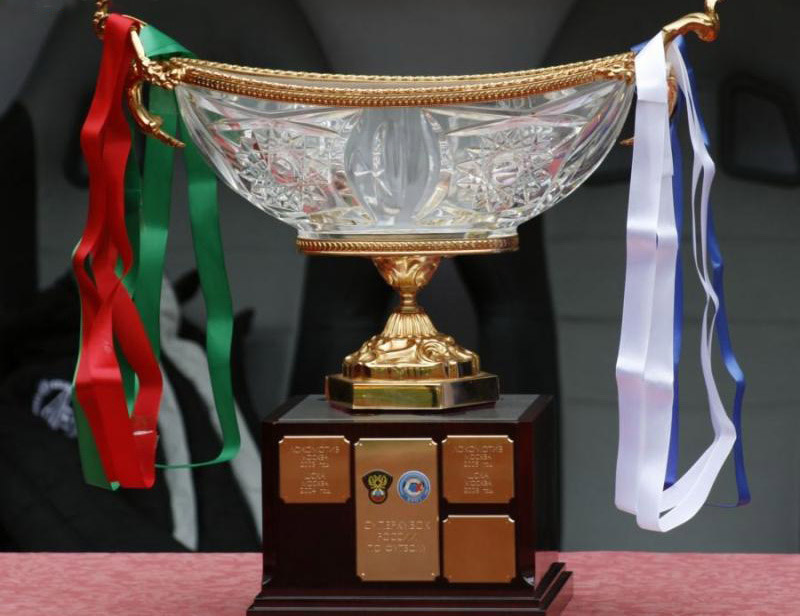
Russian Super Cup🇷🇺 Russia
Sports
Julvaries
Russian Super Cup🇷🇺 Russia
 Sports
Julvaries
The Open Championship🇬🇧 United Kingdom and 12 more countries
Sports
Julvaries
The Open Championship🇬🇧 United Kingdom and 12 more countries
 Sports
Julvaries
Croatia Open Umag🇭🇷 Umag, Croatia
Sports
Julvaries
Croatia Open Umag🇭🇷 Umag, Croatia