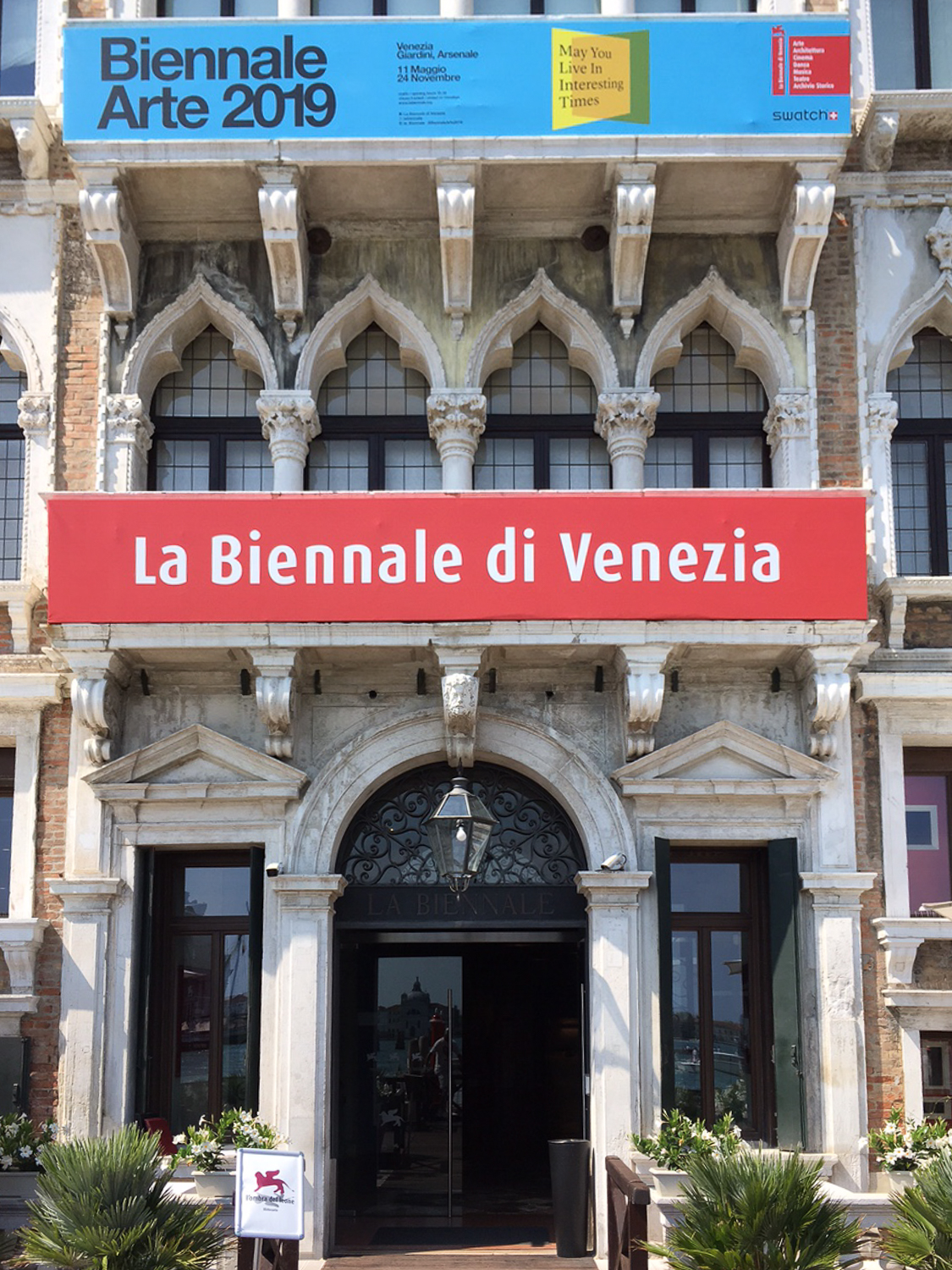
Venice Biennale
A global showcase of contemporary art and architecture in Venice
The Venice Biennale is a major international arts festival held every two years in Venice, Italy. Alternating between contemporary art and architecture, it draws artists and visitors from around the world, with the next edition running from May 9 to November 22, 2026.
- Held every two years in Venice, Italy
- Features around 30 permanent national pavilions
- Alternates between art and architecture exhibitions
- Golden Lion awards honor outstanding artists and architects
- Founded in 1895, the oldest festival of its kind
What it is
The Venice Biennale is one of the world’s most renowned arts festivals, bringing together contemporary artists, architects, and performers from across the globe. Held every two years in Venice, it alternates between a focus on visual art and architecture, with additional events for music, theatre, film, and dance. The heart of the festival lies in the Giardini and Arsenale, where national pavilions and curated exhibitions present new and challenging works. For many, the Biennale is a moment to reflect on current trends in art and culture, and to see how artists respond to the world around them.
Where it comes from
The Biennale began in 1895 as a national exhibition of Italian art, established by the City Council of Venice to celebrate the monarchy’s silver anniversary. It quickly expanded to include international artists and, by the early 20th century, countries began building their own pavilions in the Giardini. Over the decades, the festival has mirrored the changing tides of art history, from Impressionism and Modernism to Pop Art and beyond. Interrupted only by the World Wars, the Biennale has grown to include architecture, music, theatre, film, and dance, shaping Venice into a crossroads of global creativity.
How it is celebrated
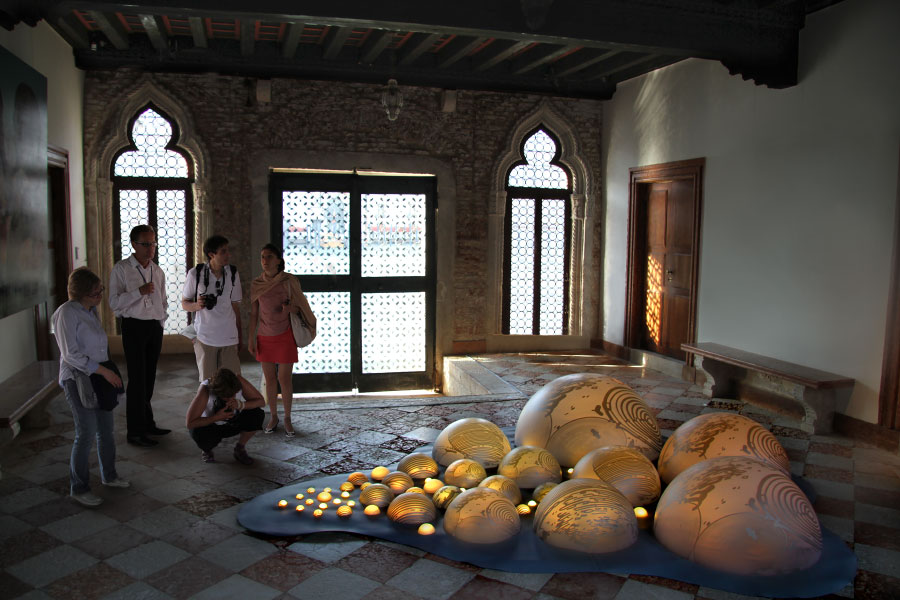
During the Biennale, Venice transforms into a living gallery. The main exhibitions take place in the Giardini and the Arsenale, where around 30 permanent national pavilions stand alongside temporary installations and curated shows. Countries from all continents present their own artists, and the city itself becomes dotted with collateral events, performances, and pop-up exhibitions in historic palazzos and public spaces. Visitors can expect a mix of large-scale installations, experimental works, and thought-provoking pieces that often engage with contemporary issues. The festival also includes prestigious awards, such as the Golden Lion, which recognize outstanding contributions to art and architecture.


Joining in
To experience the Venice Biennale, visitors head to the Giardini della Biennale and the Arsenale, the main hubs of the festival. Tickets grant access to the central exhibitions and most national pavilions, while many other events across Venice are open to the public. Expect a lively atmosphere, with artists, curators, and art lovers from around the world mingling in galleries and along the canals. Comfortable shoes and an open mind are recommended, as the city’s labyrinthine streets and the sheer variety of art on display make for a full and stimulating day.
Sources and attribution
This page is Mela's own summary, written in new words. Its facts are drawn from the Wikipedia article Venice Biennale, whose text is available under the CC BY-SA 4.0 licence, and from its Wikidata record (CC0). Each photo is credited to its author beside it. For the full account, read the originals below.
Read more
- Venice Biennale on WikipediaEncyclopedia
- Official websiteOfficial site
- Encyclopaedia BritannicaArticle
- More photos on Wikimedia CommonsPhotos
- Wikidata recordOpen data
This page was written with AI assistance from the sources listed above, and checked automatically before publishing. Spotted a mistake? Tell us. Last refreshed 2026-10-02.
More arts, film and book festivals
See them all Arts and film
Mayvaries
Cannes Film Festival🇫🇷 Cannes, France
Arts and film
Mayvaries
Cannes Film Festival🇫🇷 Cannes, France
 Arts and film
Mayvaries
Glyndebourne Festival Opera🇬🇧 Glyndebourne, United Kingdom
Arts and film
Mayvaries
Glyndebourne Festival Opera🇬🇧 Glyndebourne, United Kingdom
 Arts and film
Mayvaries
Directors' Fortnight🇫🇷 Cannes, France
Arts and film
Mayvaries
Directors' Fortnight🇫🇷 Cannes, France
 Arts and film
Mayvaries
Seattle International Film Festival🇺🇸 Seattle, United States
Arts and film
Mayvaries
Seattle International Film Festival🇺🇸 Seattle, United States
 Arts and film
Mayvaries
Kraków Film Festival🇵🇱 Kraków, Poland
Arts and film
Mayvaries
Kraków Film Festival🇵🇱 Kraków, Poland
 Arts and film
Mayvaries
Arsenal Book Festival🇺🇦 Kyiv, Ukraine
Arts and film
Mayvaries
Arsenal Book Festival🇺🇦 Kyiv, Ukraine
 Arts and film
Mayvaries
Athens Epidaurus Festival🇬🇷 Athens, Greece
Arts and film
Mayvaries
Athens Epidaurus Festival🇬🇷 Athens, Greece
 Arts and film
30May
Zlín Film Festival🇨🇿 Zlín, Czech Republic
Arts and film
30May
Zlín Film Festival🇨🇿 Zlín, Czech Republic