
Anzac Day
A national day of remembrance for Australians and New Zealanders who served and died in war
Anzac Day is a national day of remembrance observed on 25 April each year in Australia and New Zealand. It honours all Australians and New Zealanders who served and died in wars, conflicts, and peacekeeping operations, with ceremonies held across both countries.
- Dawn services mark the start of Anzac Day across both countries
- Commemorative marches feature veterans and current service members
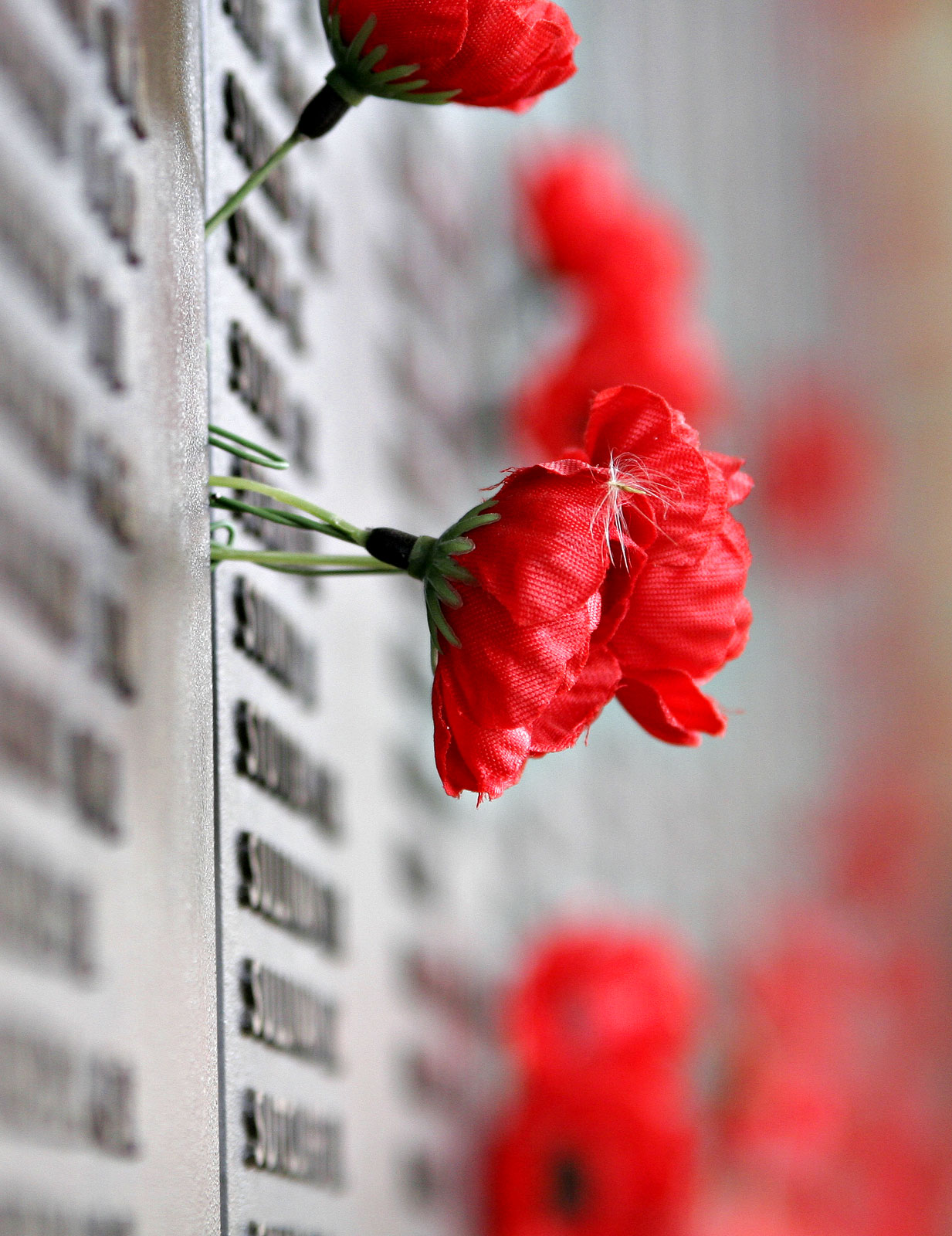
- Red poppies and rosemary are worn as symbols of remembrance
- The day honours all who served and died, not just those at Gallipoli
- Traditional games like two-up are played in some communities
What it is
Anzac Day is a solemn day of reflection and commemoration in Australia and New Zealand, dedicated to remembering those who served and died in wars, conflicts, and peacekeeping missions. The day is named for the Australian and New Zealand Army Corps (ANZAC), whose soldiers first fought together at Gallipoli in 1915. Over time, Anzac Day has come to represent not only the sacrifices made at Gallipoli but also the broader contributions and suffering of all service members from both nations. For many, it is a time to honour courage, mateship, and the enduring impact of war on families and communities.
Where it comes from
Anzac Day began as a way to honour the soldiers of the Australian and New Zealand Army Corps who landed at Gallipoli on 25 April 1915 during the First World War. The Gallipoli campaign was marked by heavy losses and hardship, and news of the landing deeply affected people at home. The first commemorations took place in 1916, with ceremonies in Australia, New Zealand, and even London. Over the years, Anzac Day evolved from a focus on Gallipoli to a broader remembrance of all who served and died in military operations, shaping national identity in both countries.
How it is celebrated
The day typically begins with dawn services at war memorials, a tradition that reflects the time of the original Gallipoli landing. These services are marked by silence, the playing of the Last Post, and the laying of wreaths. Later in the day, commemorative marches take place in cities and towns, featuring veterans, current service members, and their families. Many people wear red remembrance poppies or sprigs of rosemary, symbols of memory and respect. Community gatherings, church services, and moments of silence are common, providing space for reflection and gratitude. In some places, traditional games such as two-up are played, recalling the experiences of soldiers during wartime.



Joining in
Visitors can take part in Anzac Day commemorations throughout Australia and New Zealand, with major dawn services held in cities like Sydney, Melbourne, Wellington, and Auckland. Arriving before sunrise, you can expect a quiet, respectful atmosphere as people gather in darkness to remember those lost. Marches and public ceremonies follow, often concluding with community breakfasts or gatherings. Participation is open to all, and newcomers are welcomed to observe, reflect, and pay their respects alongside locals.
Sources and attribution
This page is Mela's own summary, written in new words. Its facts are drawn from the Wikipedia article Anzac Day, whose text is available under the CC BY-SA 4.0 licence, and from its Wikidata record (CC0). Each photo is credited to its author beside it. For the full account, read the originals below.
Read more
- Anzac Day on WikipediaEncyclopedia
- Encyclopaedia BritannicaArticle
- More photos on Wikimedia CommonsPhotos
- Wikidata recordOpen data
This page was written with AI assistance from the sources listed above, and checked automatically before publishing. Spotted a mistake? Tell us. Last refreshed 2026-10-02.
 Sports
 Sports
 Sports
 Spiritual
 National days
 National days
 National days
 National days