Tết
Vietnam’s most important festival, marking the lunar new year and arrival of spring
Tết, or Tết Nguyên Đán, is the Vietnamese Lunar New Year and the most significant festival in Vietnam. Celebrated across the country and among the Vietnamese diaspora, it marks the first day of the lunar calendar, usually falling between late January and February, and ushers in spring with family reunions, rituals, and festive foods.
- Tết marks the first day of the Vietnamese lunar year
- Families gather for ancestor veneration and festive meals
- Children receive red envelopes with lucky money
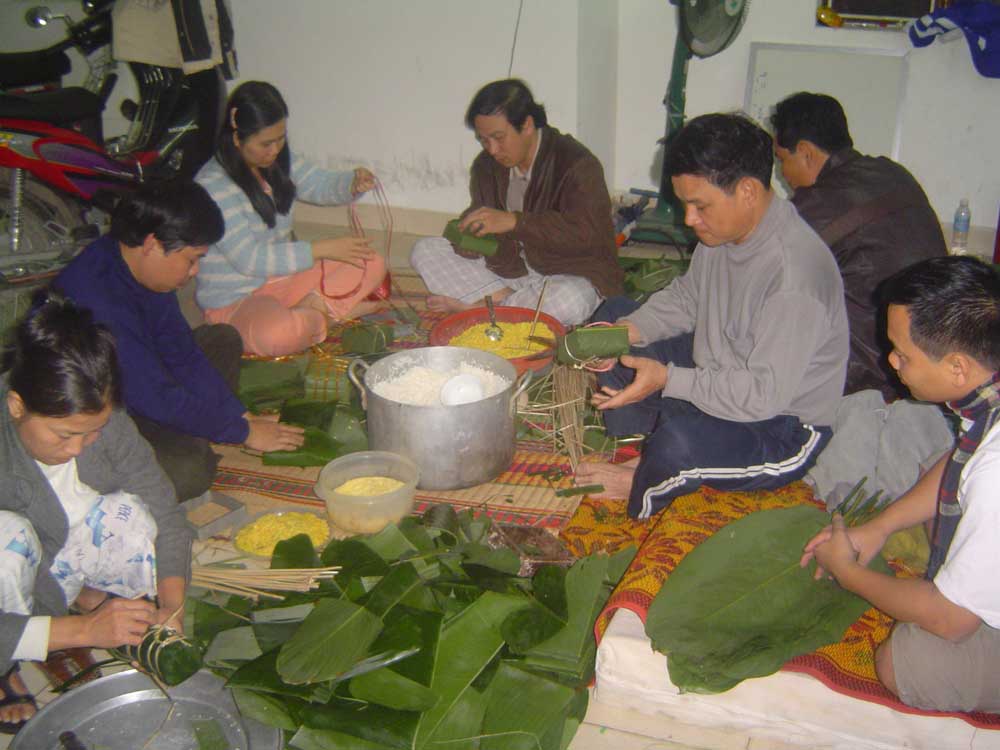
- Special foods like bánh chưng and bánh tét are prepared
- Visiting friends and temples is a key part of the celebration
What it is
Tết is the heart of Vietnamese cultural and spiritual life, marking the start of a new lunar year and the coming of spring. For many, it is a time to return home, gather with family, and pay respects to ancestors. The festival is filled with hope, as people set aside the worries of the past year and look forward to renewal and good fortune. Tết is not just a holiday, but a season of preparation, celebration, and reflection, deeply woven into the rhythms of Vietnamese society.
Where it comes from
Tết’s roots trace back over a thousand years, shaped by both indigenous Vietnamese customs and influences from Chinese rule. The festival follows the lunisolar calendar, and many of its traditions—such as giving red envelopes and honoring the zodiac—reflect this shared heritage. Over time, Vietnam developed its own unique Tết customs and foods, and even the Vietnamese zodiac differs from the Chinese version. Legends and historical accounts suggest that Tết has been celebrated since ancient times, possibly even before the era of the Hùng kings, though its exact origins remain a subject of debate.
How it is celebrated
Preparations for Tết begin weeks in advance, with families cleaning their homes, cooking special dishes like bánh chưng and bánh tét, and visiting ancestral graves. The first day of Tết is for immediate family, with children donning new clothes and receiving red envelopes of lucky money from elders. Visiting friends and relatives, ancestor veneration, and offering New Year’s greetings are central customs. It is believed that the first visitor to a home in the new year influences the family’s luck, so great care is taken in choosing this person. Sweeping is avoided to keep good fortune in the house, and harmony is maintained to ensure a prosperous year. Temples bustle with people making offerings and seeking blessings, while the streets fill with festive games and dragon dances.


Joining in
To experience Tết, head to Vietnam’s cities and towns, where the atmosphere is vibrant and welcoming. Ho Chi Minh City and Hanoi are especially lively, with public decorations, flower markets, and fireworks. As a visitor, you’ll witness families gathering, streets adorned with red and gold, and the sharing of traditional foods. Shops may close for several days, but the spirit of celebration is everywhere, and respectful participation in public festivities is warmly received.
Sources and attribution
This page is Mela's own summary, written in new words. Its facts are drawn from the Wikipedia article Tết, whose text is available under the CC BY-SA 4.0 licence, and from its Wikidata record (CC0). Each photo is credited to its author beside it. For the full account, read the originals below.
Read more
This page was written with AI assistance from the sources listed above, and checked automatically before publishing. Spotted a mistake? Tell us. Last refreshed 2026-10-02.
 Spiritual
 Cultural
 Cultural
 Cultural
 Spiritual
 Spiritual
 Spiritual
 Spiritual