
Tu BiShvat, the Jewish New Year for Trees, falls on the 15th of Shevat in the Hebrew calendar, usually in late January or early February. Marked especially in Israel, it blends ancient agricultural laws with modern ecological awareness, featuring tree-planting and festive meals of fruits.
- Known as the New Year for Trees in the Jewish calendar
- Celebrated with tree-planting across Israel
- Features a special fruit- and wine-based seder meal
- Marks the agricultural cycle for tithing fruit
- Linked to both ancient law and modern ecological awareness
What it is
Tu BiShvat is a Jewish festival known as the New Year for Trees. It marks the date from which the age of fruit trees is calculated for religious and agricultural purposes, such as tithing and observing biblical commandments. Over time, Tu BiShvat has grown into a celebration of nature’s renewal and the land’s bounty, especially in Israel. For many, it is a day to reflect on the connection between people, land, and the environment, and to express gratitude for the fruits of the earth.
Where it comes from
Tu BiShvat’s roots lie in ancient Jewish agricultural law, where it served as the cut-off date for determining the age of fruit trees and the timing of tithes. The Mishnah lists it as one of four New Years in the Jewish calendar, with the 15th of Shevat chosen by the school of Hillel. Medieval Jewish communities marked the day with fruit feasts, and in the 16th century, kabbalists in Safed developed the Tu BiShvat seder, giving symbolic meaning to fruits and wine. In modern times, especially in Israel, the festival has become linked with tree planting and environmental awareness.
How it is celebrated
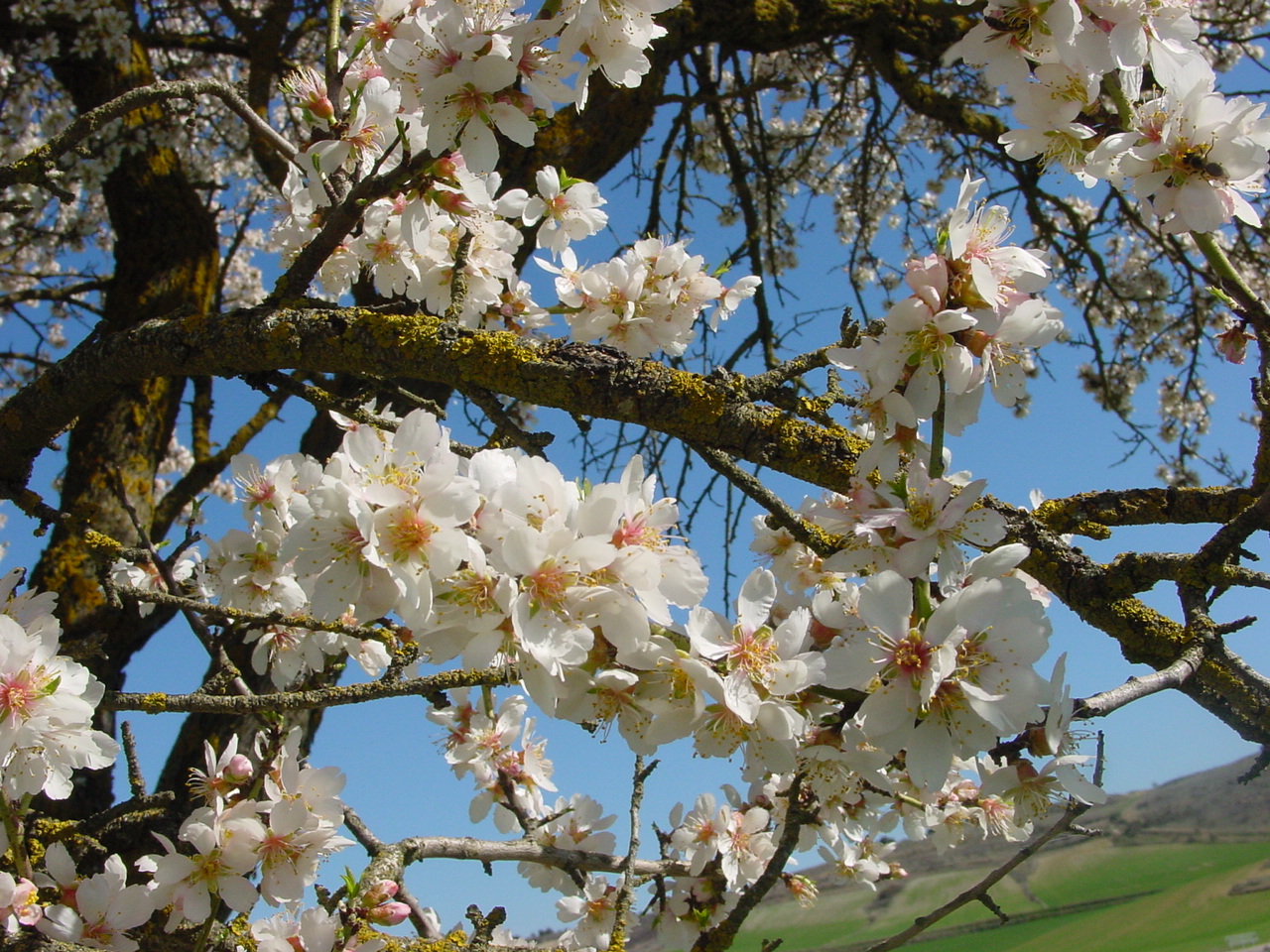
On Tu BiShvat, it is customary to eat fruits, particularly those associated with the Land of Israel, such as figs, dates, pomegranates, olives, and grapes. Many families and communities hold a Tu BiShvat seder, a ritual meal inspired by kabbalistic tradition, where participants eat a variety of fruits and drink four cups of wine, moving from white to red to symbolize the changing seasons. In Israel, tree-planting ceremonies are widespread, with schools, organizations, and families taking part in planting saplings. Special desserts made from grains, dried fruits, and nuts are prepared in some communities, and the day is often used to promote ecological awareness and environmental action.


Joining in
Visitors in Israel during Tu BiShvat can join tree-planting events organized by groups like the Jewish National Fund, often held in forests and parks across the country. Expect to see families, schoolchildren, and volunteers planting saplings and celebrating outdoors. Many synagogues and community centers also host Tu BiShvat seders, where newcomers are welcome to taste symbolic fruits and learn about the festival’s meanings. The atmosphere is festive yet reflective, with a focus on nature, renewal, and community.
Sources and attribution
This page is Mela's own summary, written in new words. Its facts are drawn from the Wikipedia article Tu BiShvat, whose text is available under the CC BY-SA 4.0 licence, and from its Wikidata record (CC0). Each photo is credited to its author beside it. For the full account, read the originals below.
Read more
- Tu BiShvat on WikipediaEncyclopedia
- Encyclopaedia BritannicaArticle
- More photos on Wikimedia CommonsPhotos
- Wikidata recordOpen data
This page was written with AI assistance from the sources listed above, and checked automatically before publishing. Spotted a mistake? Tell us. Last refreshed 2026-10-02.
 Spiritual
 Spiritual
 Spiritual
 Spiritual
 Spiritual
 Spiritual
 Spiritual
 Spiritual