
Passover
A spring festival of freedom marking the Exodus from Egypt
Passover, or Pesach, is a major Jewish festival commemorating the Exodus from slavery in Egypt. Celebrated for seven or eight days starting on 15 Nisan in the Hebrew calendar, it is observed in Israel, the Jewish diaspora, and communities worldwide with rituals centered on family, memory, and freedom.
- Begins at sunset on 15 Nisan in the Hebrew calendar
- Central ritual is the Passover Seder meal
- Matzah (unleavened bread) is eaten throughout the festival
- Leavened foods (chametz) are forbidden
- Commemorates the Exodus from Egypt and the Israelites' freedom
What it is
Passover is one of Judaism’s most important festivals, recalling the liberation of the Israelites from slavery in ancient Egypt. Families and communities gather to retell the Exodus story, focusing on themes of freedom, faith, and the enduring power of memory. The festival is both spiritual and communal, blending ritual, storytelling, and special foods to create a sense of connection across generations. For many, Passover is a time to reflect on the meaning of freedom and the responsibilities it brings, as well as to celebrate resilience and hope.
Where it comes from
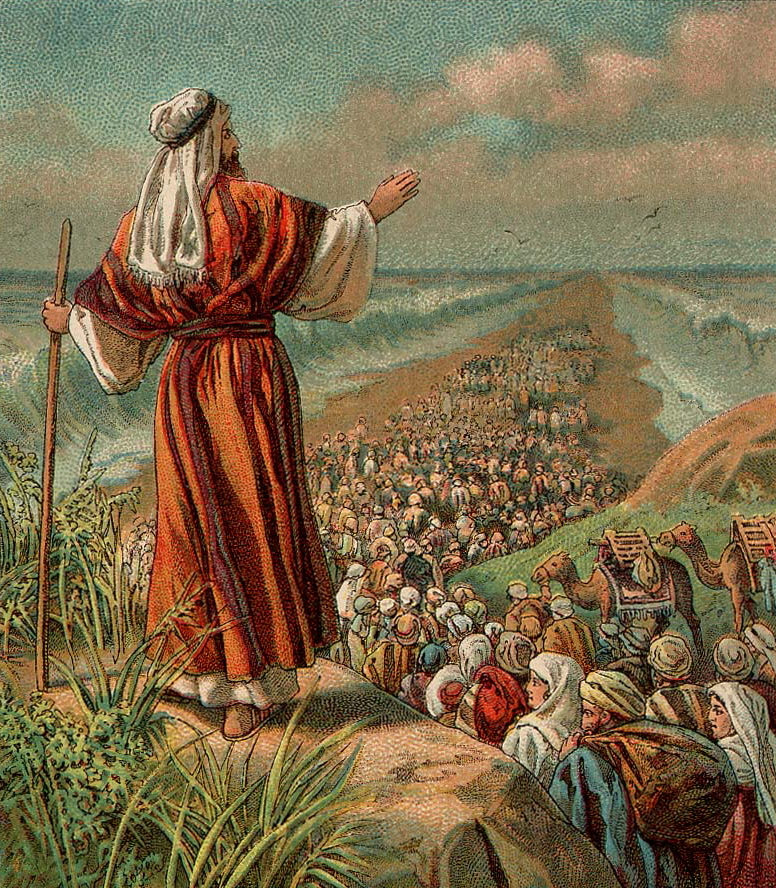
The origins of Passover are rooted in the biblical account of the Exodus, when God is said to have freed the Israelites from Egyptian bondage after a series of plagues. Scholars suggest that Passover may have merged an ancient protective ritual—marking homes with lamb’s blood to ward off harm—with a springtime agricultural festival celebrating the barley harvest. Over time, these traditions were woven together and reinterpreted through the Exodus narrative, becoming a central observance in Jewish life.
How it is celebrated
Passover begins at sunset on 15 Nisan and lasts seven days in Israel and eight in many diaspora communities. The festival opens with the Seder, a ceremonial meal where families read from the Haggadah, recounting the Exodus story and fulfilling the commandment to teach each generation about the journey from slavery to freedom. Special foods are eaten: matzah (unleavened bread) symbolizes the haste of departure, while bitter herbs recall the hardships of slavery. Leavened foods (chametz) are strictly avoided, and homes are thoroughly cleaned beforehand. The Seder is rich with ritual, including songs, questions from children, and symbolic items on the table, all designed to engage participants in the story.


Joining in
Visitors and newcomers are often welcomed at Passover Seders, which are held in homes and community centers, especially in Israel and Jewish communities worldwide. Expect an evening of storytelling, symbolic foods, and lively discussion, with rituals explained for all present. In major cities with Jewish populations, public Seders or community events may be available. Participation is centered on sharing the story and meaning of the holiday, making it accessible to guests of all backgrounds.
Sources and attribution
This page is Mela's own summary, written in new words. Its facts are drawn from the Wikipedia article Passover, whose text is available under the CC BY-SA 4.0 licence, and from its Wikidata record (CC0). Each photo is credited to its author beside it. For the full account, read the originals below.
Read more
- Passover on WikipediaEncyclopedia
- Encyclopaedia BritannicaArticle
- More photos on Wikimedia CommonsPhotos
- Wikidata recordOpen data
This page was written with AI assistance from the sources listed above, and checked automatically before publishing. Spotted a mistake? Tell us. Last refreshed 2026-10-02.
 Spiritual
 Spiritual
More spiritual festivals
See them all Spiritual
30Apr
Walpurgis Night🇨🇿 Czech Republic and 7 more countries
Spiritual
30Apr
Walpurgis Night🇨🇿 Czech Republic and 7 more countries
 Spiritual
23Apr
Saint George's Day🇦🇱 Albania and 22 more countries
Spiritual
23Apr
Saint George's Day🇦🇱 Albania and 22 more countries
 Spiritual
Aprvaries
Buddha's Birthday🇮🇳 India and 24 more countries
Spiritual
Aprvaries
Buddha's Birthday🇮🇳 India and 24 more countries
 Spiritual
20Mar
Lazarus Saturday🇦🇲 Armenia and 6 more countries
Spiritual
20Mar
Lazarus Saturday🇦🇲 Armenia and 6 more countries
 Spiritual
11May
Radonitsa🇧🇾 Belarus and 5 more countries
Spiritual
11May
Radonitsa🇧🇾 Belarus and 5 more countries
 Spiritual
Aprvaries
Hanuman Jayanti🇮🇳 Nanganallur, India
Spiritual
Aprvaries
Hanuman Jayanti🇮🇳 Nanganallur, India