
Navratri
Nine nights honoring the goddess Durga in diverse traditions across India
Navratri is a major Hindu festival celebrated across India and beyond, dedicated to the goddess Durga and her nine forms. Held twice a year, the most widely observed Navratri spans nine nights in September or October, marked by fasting, prayers, dance, and vibrant community gatherings.
- Celebrated for nine nights, twice a year, with the main festival in autumn
- Honors nine forms of the goddess Durga, known as Navadurga
- Features fasting, prayers, dances, and elaborate decorations
- Final day, Vijayadashami, marks the victory of good over evil
- Celebrated in India, Nepal, Bangladesh, and Hindu communities worldwide
What it is
Navratri, meaning 'nine nights' in Sanskrit, is a festival devoted to the worship of the goddess Durga and her nine divine forms, known as the Navadurga. It is a time when communities come together to honor the triumph of good over evil, as told through legends of Durga’s victory over the demon Mahishasura. The festival is celebrated with great enthusiasm and variety across India and the Hindu world, reflecting regional traditions, stories, and rituals. For many, Navratri is both a spiritual journey and a cultural celebration, blending devotion, art, and communal joy.
Where it comes from
The roots of Navratri lie in ancient Hindu mythology and scripture, particularly the story of goddess Durga’s battle against Mahishasura, symbolizing the restoration of cosmic order. The festival’s name comes from Sanskrit, with 'nava' meaning nine and 'ratri' meaning nights. While texts mention four seasonal Navratris, the autumn (Sharada) and spring (Chaitra) Navratris are most widely observed. Over time, Navratri has evolved to include diverse regional practices and has become a major cultural event in the Indian subcontinent and among Hindu communities worldwide.
How it is celebrated
Navratri is marked by nine nights of worship, each dedicated to a different form of Durga. Rituals include daily prayers, fasting, and the recitation of sacred stories. In eastern India, the festival coincides with Durga Puja, featuring elaborately decorated pandals (temporary shrines) and idol immersions. In Gujarat and other western states, evenings are filled with garba and dandiya dances, where people dress in colorful attire and dance in circles to traditional music. South India observes the festival with the display of golu (arranged dolls), and special pujas for Saraswati, the goddess of knowledge. Across regions, families visit temples, share festive foods, and participate in community events. The final day, Vijayadashami, is celebrated with processions, idol immersions, or the symbolic burning of effigies, marking the victory of good over evil.


Joining in
Visitors can experience Navratri in cities and towns across India, with major celebrations in places like Kolkata (for Durga Puja), Ahmedabad (for garba), and Chennai (for golu displays). Expect vibrant decorations, music, and crowds gathering at temples and community spaces. As a newcomer, you may join in the dances, attend public pujas, and sample special vegetarian foods prepared for the festival. Respect for local customs and dress codes is appreciated, and participation is often warmly welcomed.
Sources and attribution
This page is Mela's own summary, written in new words. Its facts are drawn from the Wikipedia article Navaratri, whose text is available under the CC BY-SA 4.0 licence, and from its Wikidata record (CC0). Each photo is credited to its author beside it. For the full account, read the originals below.
Read more
- Navaratri on WikipediaEncyclopedia
- Encyclopaedia BritannicaArticle
- More photos on Wikimedia CommonsPhotos
- Wikidata recordOpen data
This page was written with AI assistance from the sources listed above, and checked automatically before publishing. Spotted a mistake? Tell us. Last refreshed 2026-10-02.
More spiritual festivals
See them all Spiritual
Octvaries
Diwali🇧🇩 Bangladesh and 13 more countries
Spiritual
Octvaries
Diwali🇧🇩 Bangladesh and 13 more countries
 Spiritual
17Apr
Yom Kippur🇮🇱 Israel
Spiritual
17Apr
Yom Kippur🇮🇱 Israel
 Spiritual
Octvaries
Durga Puja🇧🇩 Kolkata, Bangladesh and 2 more countries
Spiritual
Octvaries
Durga Puja🇧🇩 Kolkata, Bangladesh and 2 more countries
 Spiritual
31Oct
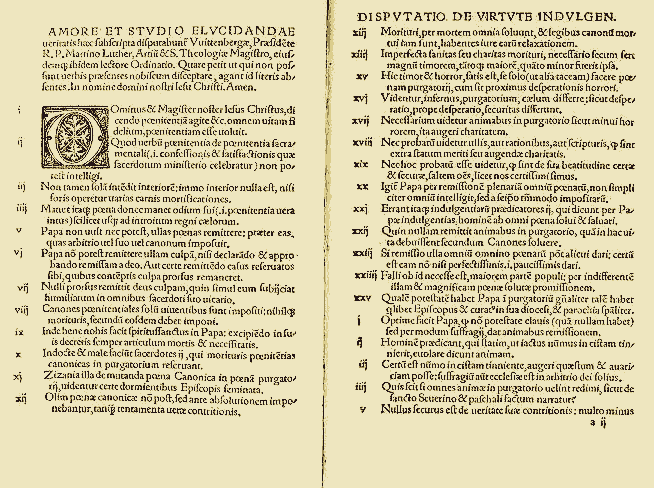
Reformation Day🇦🇹 Austria and 7 more countriesIn 4 weeks
Spiritual
31Oct
Reformation Day🇦🇹 Austria and 7 more countriesIn 4 weeks
 Spiritual
20Oct
Vijayadashami🇮🇳 Mysore, India and 2 more countriesIn 2 weeks
Spiritual
20Oct
Vijayadashami🇮🇳 Mysore, India and 2 more countriesIn 2 weeks
 Spiritual
1Oct
Intercession of the Theotokos🇧🇾 Belarus and 4 more countries
Spiritual
1Oct
Intercession of the Theotokos🇧🇾 Belarus and 4 more countries
 Spiritual
29Oct
Karva Chauth🇮🇳 India and 3 more countriesIn 4 weeks
Spiritual
29Oct
Karva Chauth🇮🇳 India and 3 more countriesIn 4 weeks
 Spiritual
Octvaries
Mehregan🇮🇷 Iran and 1 more country
Spiritual
Octvaries
Mehregan🇮🇷 Iran and 1 more country