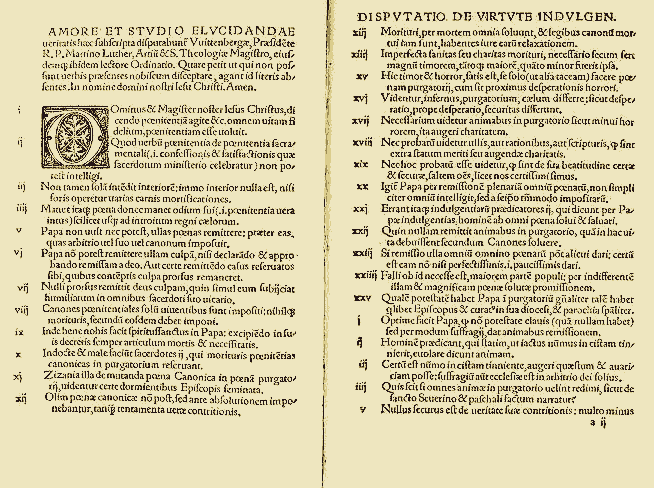
Reformation Day is a Protestant Christian holiday observed on 31 October, especially in Germany, Slovenia, and Chile. It commemorates the start of the Reformation, traditionally marked by Martin Luther's actions in 1517, and is celebrated mainly by Lutheran and Reformed churches.
- Observed on 31 October each year
- Commemorates Martin Luther's Ninety-five Theses of 1517
- Especially significant in Germany, Slovenia, and Chile
- Marked by church services and ecumenical events
- Orange Order parades in Northern Ireland and Liverpool
What it is
Reformation Day is a significant observance for many Protestant Christians, especially Lutherans and Reformed communities. It marks the moment in 1517 when Martin Luther challenged church practices, an act seen as the beginning of the Reformation. The day is an opportunity for reflection on the themes of faith, scripture, and the shaping of church history. For those who celebrate, it is both a remembrance of a pivotal event and a reaffirmation of core Protestant beliefs.
Where it comes from
The origins of Reformation Day trace back to 31 October 1517, when Martin Luther sent his Ninety-five Theses to the Archbishop of Mainz, protesting the sale of indulgences. According to tradition, he also posted them on the door of All Saints' Church in Wittenberg, though this detail is debated among historians. The rapid spread of Luther's ideas, aided by the printing press, sparked widespread debate and led to the Reformation, a movement that transformed Christianity in Europe. The annual observance developed gradually, with official celebrations beginning in the 17th century.
How it is celebrated
Celebrations of Reformation Day vary by country and denomination. In Germany, Slovenia, and Chile, it is recognized as an official holiday in some regions, with church services, prayers, and special sermons focusing on the legacy of the Reformation. In the United States, many Protestant churches observe Reformation Sunday on or before 31 October, adapting the date for congregational convenience. In Northern Ireland and parts of the UK, the Orange Order marks the day with parades and gatherings. The day is often marked by music, readings from scripture, and reflection on the principles of faith and reform. Ecumenical events may include representatives from other Christian traditions, reflecting a spirit of dialogue.


Joining in
Visitors interested in Reformation Day will find the most prominent celebrations in Germany, especially in regions with a strong Lutheran heritage such as Wittenberg. Services are open to all, and the atmosphere is one of reverence and historical reflection. In cities like St Anne's Cathedral in Belfast, parades and church services mark the occasion. While the day is rooted in Protestant tradition, many events welcome guests and encourage learning about the Reformation's impact.
Sources and attribution
This page is Mela's own summary, written in new words. Its facts are drawn from the Wikipedia article Reformation Day, whose text is available under the CC BY-SA 4.0 licence, and from its Wikidata record (CC0). Each photo is credited to its author beside it. For the full account, read the originals below.
Read more
- Reformation Day on WikipediaEncyclopedia
- Encyclopaedia BritannicaArticle
- More photos on Wikimedia CommonsPhotos
- Wikidata recordOpen data
This page was written with AI assistance from the sources listed above, and checked automatically before publishing. Spotted a mistake? Tell us. Last refreshed 2026-10-02.
 Cultural
 Sports
 Music
Music Sports
 Spiritual
 Spiritual
 Spiritual
 Spiritual