
Diwali
The festival of lights marking the victory of light over darkness.
Diwali, also known as Deepavali, is a major Hindu festival of lights celebrated across India and many parts of the world, typically in October or November. The five-day festival brings families and communities together to illuminate homes, share feasts, and mark the triumph of good over evil.
- Homes and temples are illuminated with oil lamps and candles.
- Rangoli patterns decorate floors and entrances.
- Fireworks mark the climax of the festival.
- Families gather for feasts and share sweets.
- The main day is dedicated to Lakshmi, goddess of prosperity.
What it is
Diwali is one of the most significant and widely celebrated festivals in India and among Hindu communities worldwide. Known as the festival of lights, it symbolizes the victory of light over darkness and good over evil. Homes, temples, and public spaces are decorated with oil lamps (diyas), candles, and vibrant rangoli patterns. The festival is a time for families to come together, exchange gifts, and share sweets, creating a sense of warmth and renewal. For many, Diwali also marks the start of a new financial year and is seen as an auspicious time for new beginnings.
Where it comes from
Diwali’s roots trace back to ancient India, with references in Sanskrit texts such as the Padma Purana and Skanda Purana from the 7th to 10th centuries. The lighting of lamps is linked to the sun, the cosmic giver of light. Over time, the festival has absorbed various legends and traditions, including the return of Rama to Ayodhya in the Ramayana and the worship of Lakshmi, the goddess of prosperity. Historical records from travelers and inscriptions show Diwali has long been a time for lighting lamps, decorating homes, and gathering for feasts and celebrations.
How it is celebrated
Celebrations begin two days before the new moon and continue for five or six days, with each day holding its own rituals and significance. The main day, often called Lakshmi Puja, is when families light diyas and candles, perform prayers, and seek blessings for prosperity. Floors are adorned with colorful rangoli, and homes are cleaned and decorated. Fireworks light up the night sky, and the air fills with the aroma of festive foods and sweets like mithai. Community gatherings, fairs, music, and dance are common, and many people send greeting cards and gifts to loved ones. In some regions, the festival is also a time to honor ancestors.


Joining in
Visitors during Diwali will find cities and villages across India and beyond aglow with lights and bustling with activity. The main celebrations take place in homes, temples, and public squares, especially in cities like Mumbai, Delhi, and Kolkata. Expect vibrant street scenes, open-air markets selling sweets and decorations, and a welcoming atmosphere. As a guest, it is customary to share in the feasts and join families in lighting lamps. Respect for local customs and dress is appreciated, and participation in community events is encouraged.
Sources and attribution
This page is Mela's own summary, written in new words. Its facts are drawn from the Wikipedia article Diwali, whose text is available under the CC BY-SA 4.0 licence, and from its Wikidata record (CC0). Each photo is credited to its author beside it. For the full account, read the originals below.
Read more
- Diwali on WikipediaEncyclopedia
- Encyclopaedia BritannicaArticle
- UNESCO Intangible Cultural HeritageArticle
- Diwali travel guide on WikivoyageTravel guide
- More photos on Wikimedia CommonsPhotos
- Wikidata recordOpen data
This page was written with AI assistance from the sources listed above, and checked automatically before publishing. Spotted a mistake? Tell us. Last refreshed 2026-10-03.
More spiritual festivals
See them all Spiritual
17Apr
Yom Kippur🇮🇱 Israel
Spiritual
17Apr
Yom Kippur🇮🇱 Israel
 Spiritual
Octvaries
Navratri🇮🇳 India and 17 more countries
Spiritual
Octvaries
Navratri🇮🇳 India and 17 more countries
 Spiritual
Octvaries
Durga Puja🇧🇩 Kolkata, Bangladesh and 2 more countries
Spiritual
Octvaries
Durga Puja🇧🇩 Kolkata, Bangladesh and 2 more countries
 Spiritual
31Oct
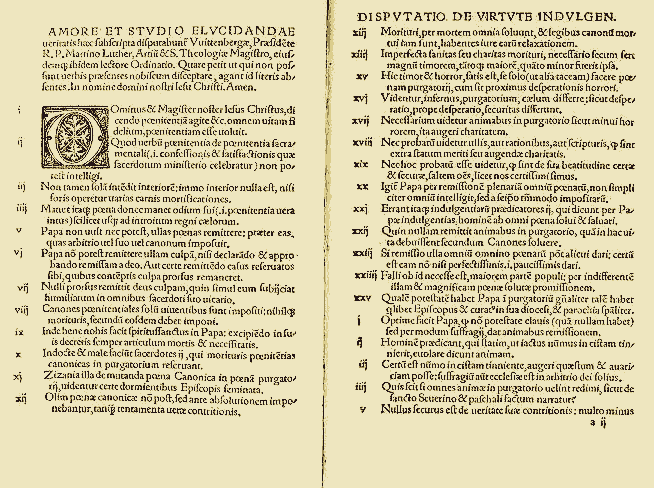
Reformation Day🇦🇹 Austria and 7 more countriesIn 4 weeks
Spiritual
31Oct
Reformation Day🇦🇹 Austria and 7 more countriesIn 4 weeks
 Spiritual
20Oct
Vijayadashami🇮🇳 Mysore, India and 2 more countriesIn 2 weeks
Spiritual
20Oct
Vijayadashami🇮🇳 Mysore, India and 2 more countriesIn 2 weeks
 Spiritual
1Oct
Intercession of the Theotokos🇧🇾 Belarus and 4 more countries
Spiritual
1Oct
Intercession of the Theotokos🇧🇾 Belarus and 4 more countries
 Spiritual
29Oct
Karva Chauth🇮🇳 India and 3 more countriesIn 4 weeks
Spiritual
29Oct
Karva Chauth🇮🇳 India and 3 more countriesIn 4 weeks
 Spiritual
Octvaries
Mehregan🇮🇷 Iran and 1 more country
Spiritual
Octvaries
Mehregan🇮🇷 Iran and 1 more country