
Radonitsa
A joyful Orthodox commemoration of the departed after Easter
Radonitsa is an Orthodox Christian festival of remembrance for the departed, observed mainly in Russia, Belarus, and Ukraine. Held on the second Tuesday after Easter, families gather at cemeteries to honor loved ones with prayers, food, and the greeting 'Christ is Risen.'
- Observed on the second Tuesday after Orthodox Easter
- Families visit graves with food and Easter eggs
- Priests lead processions and memorial prayers at cemeteries
- Traditional foods include koliva, kulichi, and honey prianiki
- Marks the start of the marriage season in Orthodox tradition
What it is
Radonitsa, known as the 'Day of Rejoicing,' is a day when Orthodox Christians gather to remember and honor their departed loved ones. Unlike somber memorials, Radonitsa is marked by joy and hope, rooted in the belief in Christ’s Resurrection and the promise it brings. Families visit cemeteries, bringing traditional foods and sharing the Easter greeting with the dead, blending ancient Slavic customs with Christian faith. The festival is a time to reconnect with ancestors, celebrate their memory, and affirm the continuity of life and faith.
Where it comes from
The tradition of Radonitsa has deep roots in pre-Christian Slavic customs, when families would visit graves in spring and share meals with their ancestors. With the arrival of Christianity, these practices were woven into the Orthodox calendar, becoming a joyful commemoration after Easter. Early Christian leaders, such as St. Ambrose of Milan and St. John Chrysostom, spoke of the importance of remembering the departed in the light of the Resurrection. Over time, Radonitsa became a blend of ancient remembrance and Christian hope, celebrated by Orthodox communities across Eastern Europe.
How it is celebrated
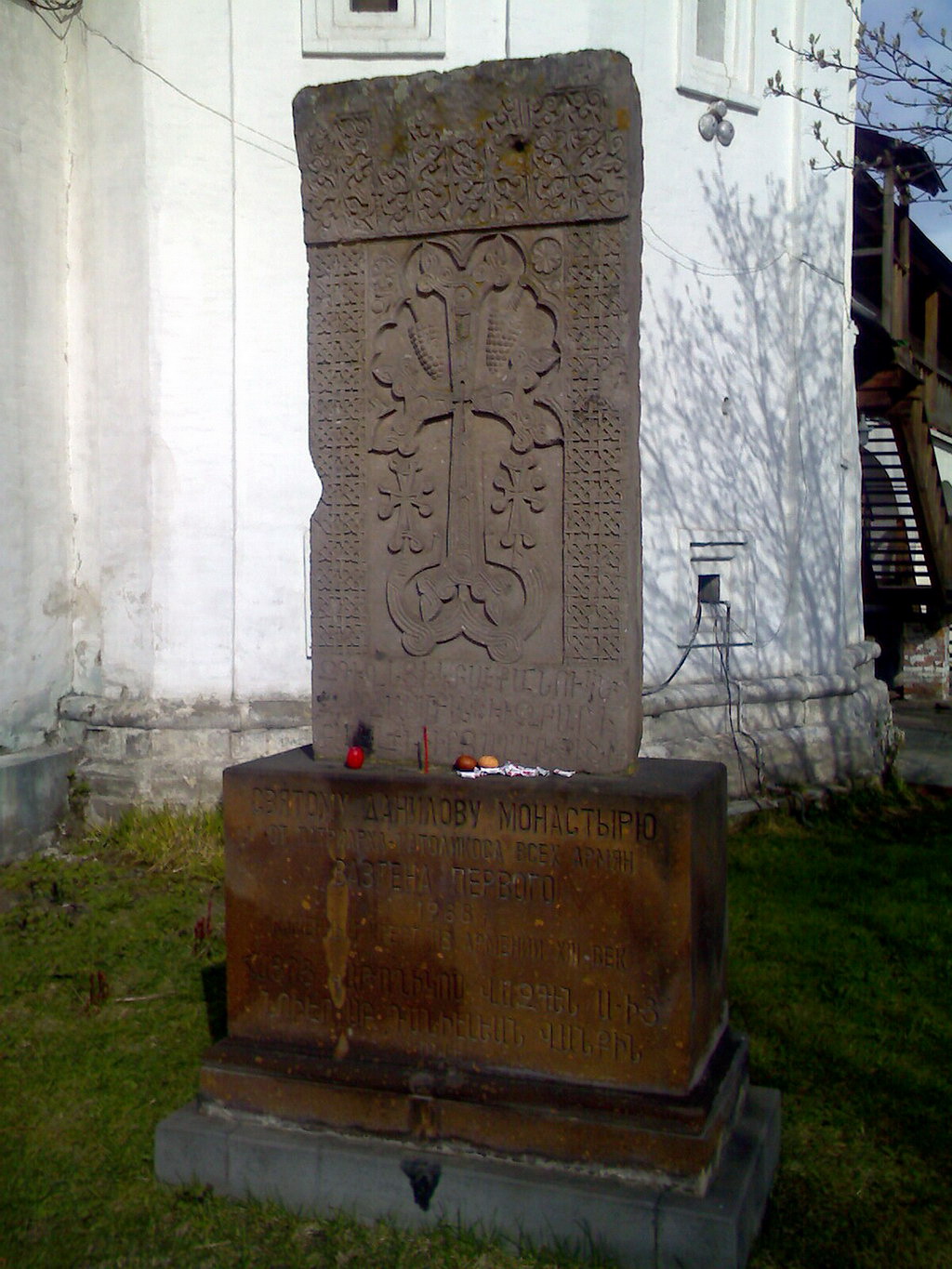
On Radonitsa, after the Divine Liturgy, priests lead a Panikhida (memorial service) and bless the foods brought by the faithful. A procession follows, with clergy and families carrying incense, candles, and a cross to the graves of loved ones. At the cemetery, paschal hymns are sung and prayers for the departed are offered, ending with the chant 'Memory Eternal.' Families place brightly colored Easter eggs on graves, symbolizing resurrection, and greet the dead with 'Christ is Risen.' Traditional foods such as funeral koliva, dyed eggs, kulichi, pancakes, honey prianiki, and cookies are shared among relatives and friends. The day also marks the start of the marriage season and is a time for exchanging gifts with in-laws, spreading joy throughout the community.
Joining in
Visitors are welcome to observe Radonitsa in Orthodox communities, especially in Russia, Belarus, and Ukraine. The main celebrations take place in local cemeteries and churchyards, where families gather with food and flowers. Expect a peaceful, communal atmosphere, with processions, singing, and the sharing of food at gravesides. If you attend, it is respectful to dress modestly and observe the customs, such as greeting others with the traditional Easter salutation. Participation offers a unique window into the blending of faith, memory, and community in Orthodox culture.
Sources and attribution
This page is Mela's own summary, written in new words. Its facts are drawn from the Wikipedia article Radonitsa, whose text is available under the CC BY-SA 4.0 licence, and from its Wikidata record (CC0). Each photo is credited to its author beside it. For the full account, read the originals below.
Read more
This page was written with AI assistance from the sources listed above, and checked automatically before publishing. Spotted a mistake? Tell us. Last refreshed 2026-10-02.
 Spiritual
 Seasonal
 National days
 Seasonal
 Spiritual
 Spiritual
 Spiritual
 Spiritual