Dożynki
A Slavic harvest festival marking the end of the agricultural year
Dożynki is a traditional Slavic harvest festival celebrated in Poland, Belarus, Russia, Ukraine, Czechia, and Slovakia. Marking the end of the harvest season, it usually takes place in late summer or early autumn, with the exact date varying by region.
- A wreath of the last harvested grain is central to the celebration
- Processions bring the wreath from the fields to the village or church
- The festival blends ancient Slavic and Christian traditions
- Celebrations include feasting, music, and traditional dances
- Dates vary by region, often after the harvest ends
What it is
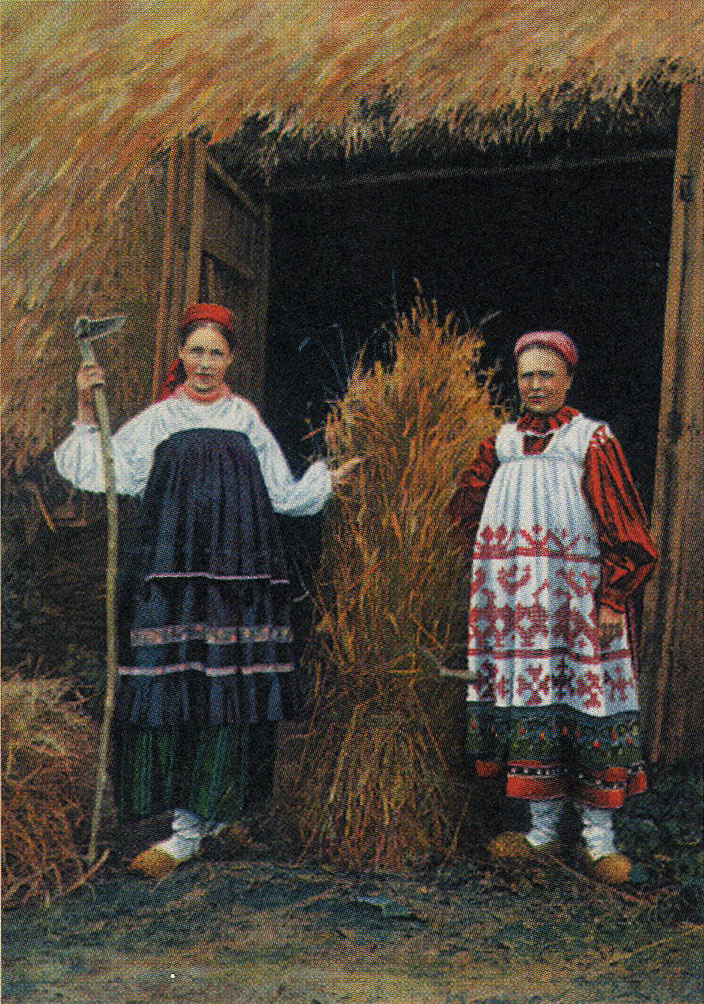
Dożynki is a centuries-old festival honoring the completion of the harvest in Slavic communities. It brings together villagers, farmers, and their families to give thanks for the year’s crops and to celebrate the hard work that sustains their communities. Central to the festival is the symbolic last sheaf or wreath of grain, representing abundance, hope for the coming year, and the life-giving power of the land. The event blends ancient customs with Christian and local traditions, and remains a vibrant expression of rural culture and gratitude.
Where it comes from
The roots of Dożynki reach back to pre-Christian times, when Slavic peoples worshipped deities of agriculture and the changing seasons. Early celebrations were timed with the autumn equinox and featured offerings to gods such as Svetovid, including rituals like baking a giant pancake from the new grain. Over the centuries, the festival absorbed Christian elements, especially from the 16th century onward, becoming a time to thank God or the Mother of God for the harvest. Despite changes in society and politics, the essential customs of Dożynki have endured.
How it is celebrated
Celebrations typically begin with villagers gathering in the fields to cut the last sheaf of grain, which is then woven—often by women—into a decorative wreath adorned with flowers, ribbons, and braided straw. This wreath is carried in a festive procession back to the village, sometimes to a church for blessing by a priest, or to the home of the host. The event continues with a communal feast, traditional music, and dances. In some regions, the grain from the wreath is saved for the next year’s sowing, believed to bring prosperity. Customs vary by region, but the spirit of gratitude and community is universal.


Joining in
Visitors can experience Dożynki in rural areas across Poland, Belarus, and other Slavic countries, especially in late August or September. Main celebrations often take place in village squares or near churches, featuring processions, folk performances, and local foods. Expect a warm, communal atmosphere, with opportunities to see traditional costumes and crafts. While each region adds its own flavor, the welcoming nature of the festival makes it accessible to newcomers interested in local culture and agricultural heritage.
Sources and attribution
This page is Mela's own summary, written in new words. Its facts are drawn from the Wikipedia article Dożynki, whose text is available under the CC BY-SA 4.0 licence, and from its Wikidata record (CC0). Each photo is credited to its author beside it. For the full account, read the originals below.
Read more
This page was written with AI assistance from the sources listed above, and checked automatically before publishing. Spotted a mistake? Tell us. Last refreshed 2026-10-02.
 Spiritual
 National days
 Seasonal
 Spiritual
 Seasonal
 Seasonal
 Seasonal
 Seasonal