
Onam is Kerala’s annual harvest and New Year festival, celebrated mainly by Malayalis in India and around the world. Lasting ten days in August or September, it marks the legendary return of King Mahabali and is filled with feasts, flower carpets, boat races, dances, and community gatherings.
- Ten days of celebrations ending with Thiruvonam
- Pookkalam flower carpets decorate homes and temples
- Athachamayam parade features elephants and floats
- Onasadya feast served on banana leaves
- Boat races and folk dances mark the festivities
What it is
Onam is the most important festival for the people of Kerala, celebrated as both a harvest festival and a time of spiritual significance. It honours the homecoming of the legendary King Mahabali, whose reign is remembered as a golden era of prosperity and equality. Malayalis believe that Mahabali returns each year to visit his people, and the festival is a joyful welcome for their beloved king. Onam brings together families and communities, blending rituals, art, and feasting in a display of Kerala’s rich cultural traditions.
Where it comes from
Onam’s roots lie deep in Kerala’s history and Hindu mythology. According to legend, Mahabali, a generous and just king, was sent to the netherworld by Vamana, an incarnation of Vishnu, but was granted permission to visit his people once a year. The festival also has historical links to the region’s ancient rulers and is mentioned in early South Indian literature. Over time, Onam has grown from its mythological and royal associations into a public festival celebrated by Malayalis of all backgrounds, both in Kerala and among the global diaspora.
How it is celebrated
Onam unfolds over ten days, each with its own customs and significance. The festival begins with Atham, marked by the creation of the first pookkalam—an intricate floral carpet laid at home entrances and temples, growing larger and more elaborate each day. The celebrations reach their peak on Thiruvonam, the final day, when families gather for the grand Onasadya, a vegetarian feast served on banana leaves. Across Kerala, people wear traditional attire, and communities come alive with parades, decorated elephants, and vibrant folk arts. Dance forms like Thiruvathira and Kummattikali, boat races on Kerala’s backwaters, and playful tiger dances called Pulikali fill the days with music, colour, and excitement. Pookkalam competitions, charity, and temple rituals are also central to the festivities.


Joining in
Visitors to Kerala during Onam can experience the festival’s warmth in cities and villages alike, with Kochi and Thrissur hosting especially grand events. The Thrikkakara Vamanamoorthy Temple near Kochi is a focal point, and the Athachamayam procession at Thrippunithura is a must-see, featuring elephants, floats, and traditional music. Expect to be welcomed into homes for the Onasadya feast, watch or join in dance performances, and admire the artistry of the pookkalam. The atmosphere is festive but respectful, and everyone is invited to share in the spirit of unity and joy.
Sources and attribution
This page is Mela's own summary, written in new words. Its facts are drawn from the Wikipedia article Onam, whose text is available under the CC BY-SA 4.0 licence, and from its Wikidata record (CC0). Each photo is credited to its author beside it. For the full account, read the originals below.
Read more
This page was written with AI assistance from the sources listed above, and checked automatically before publishing. Spotted a mistake? Tell us. Last refreshed 2026-10-02.
More seasonal and harvest festivals
See them all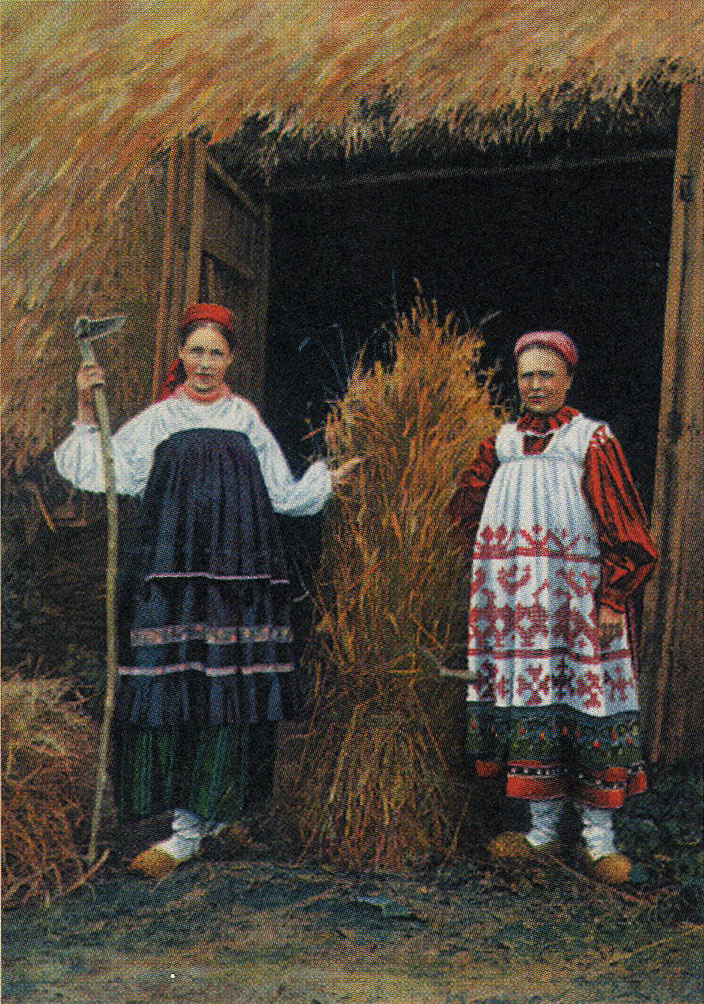 Seasonal
Augvaries
Dożynki🇧🇾 Belarus and 5 more countries
Seasonal
Augvaries
Dożynki🇧🇾 Belarus and 5 more countries
 Seasonal
1Aug
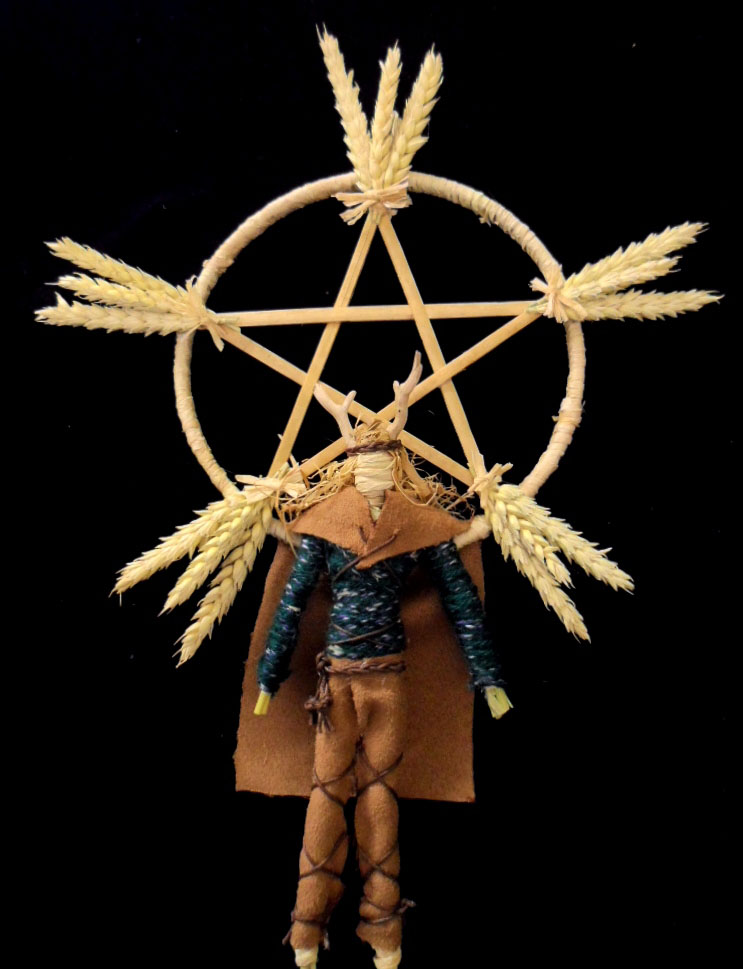
Lughnasadh🇮🇪 Ireland
Seasonal
1Aug
Lughnasadh🇮🇪 Ireland
 Seasonal
Augvaries
Homowo Festival🇬🇭 Accra, Ghana
Seasonal
Augvaries
Homowo Festival🇬🇭 Accra, Ghana
 Seasonal
Augvaries
Karam🇮🇳 India and 1 more country
Seasonal
Augvaries
Karam🇮🇳 India and 1 more country
 Seasonal
Augvaries
Igbo New Yam Festival🇳🇬 Abia State, Nigeria
Seasonal
Augvaries
Igbo New Yam Festival🇳🇬 Abia State, Nigeria
 Seasonal
15Sep
Mid-Autumn Festival🇨🇳 China and 11 more countries
Seasonal
15Sep
Mid-Autumn Festival🇨🇳 China and 11 more countries
 Seasonal
15Sep
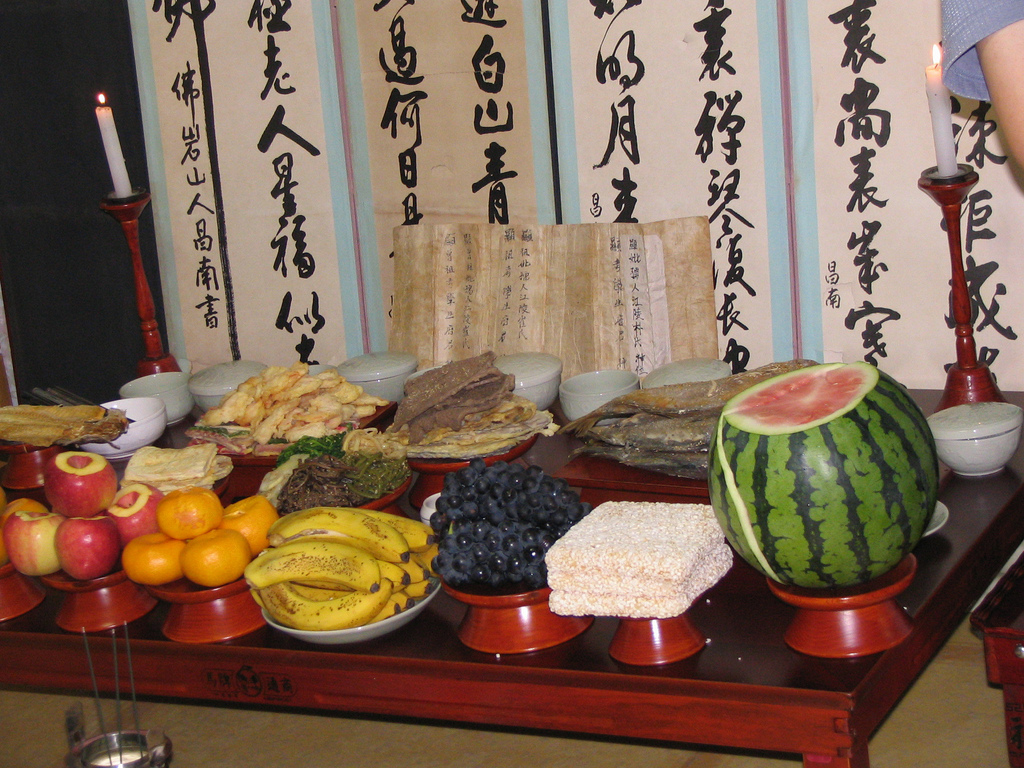
Chuseok🇰🇷 South Korea and 1 more country
Seasonal
15Sep
Chuseok🇰🇷 South Korea and 1 more country
 Seasonal
1Sep
Kaze-no-Bon🇯🇵 Yatsuo, Japan
Seasonal
1Sep
Kaze-no-Bon🇯🇵 Yatsuo, Japan