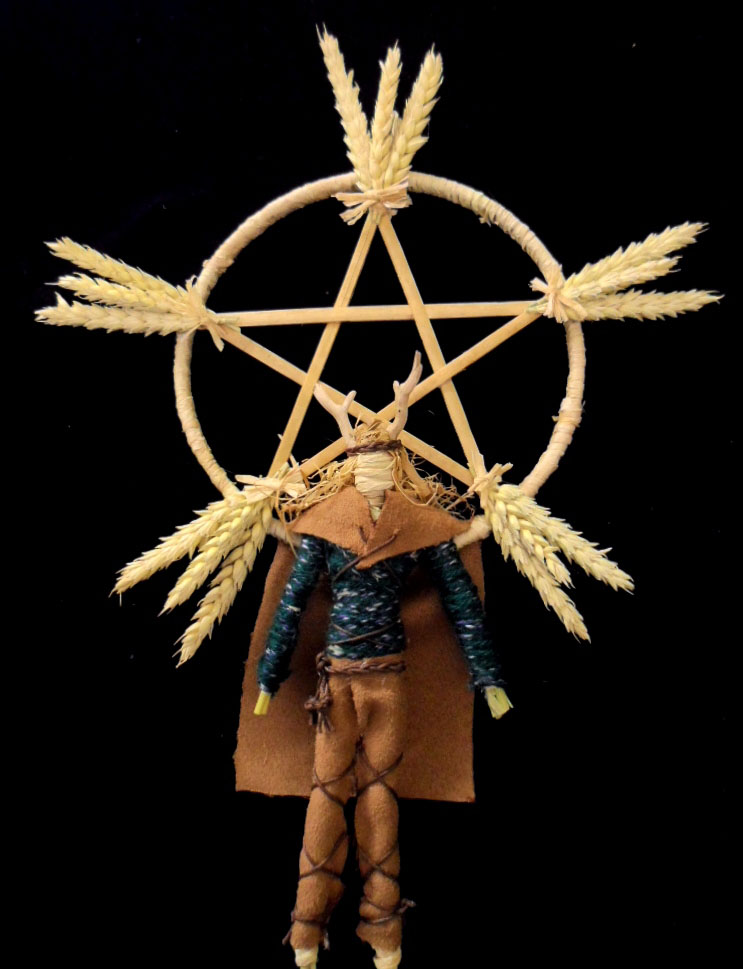
Lughnasadh
A Gaelic festival marking the start of the harvest season in Ireland.
Lughnasadh is a Gaelic festival held on 1 August to mark the beginning of the harvest, with roots in ancient pagan traditions. Celebrated mainly in Ireland, it features gatherings, hilltop rituals, feasting, athletic contests, and offerings of the first fruits.
- Held on 1 August, marking the start of harvest
- Traditionally celebrated with hilltop gatherings and feasting
- Named after the Celtic god Lugh
- Features athletic contests and matchmaking
- Bilberries and first fruits are offered and shared
What it is
Lughnasadh is one of the four major Gaelic seasonal festivals, celebrated as the first of the harvest. Traditionally observed on 1 August, it marks a turning point in the farming year when communities come together to give thanks for the first fruits of the land. The festival is named for the god Lugh, and its customs reflect both reverence for the earth's bounty and the importance of gathering as a community. Today, Lughnasadh is still observed in Ireland and by those interested in Celtic traditions, blending ancient ritual with local customs and modern celebrations.
Where it comes from
Lughnasadh has its origins in early Irish paganism and is mentioned in ancient literature. According to mythology, the festival was established by the god Lugh in memory of his foster-mother Tailtiu, who died after clearing the land for agriculture. Medieval gatherings, such as the Óenach Tailten in County Meath, included athletic contests, matchmaking, and legal assemblies, echoing the festival's role as both a spiritual and social event. Over time, many customs became Christianized or secularized, but the festival's core themes of harvest and community have endured.
How it is celebrated
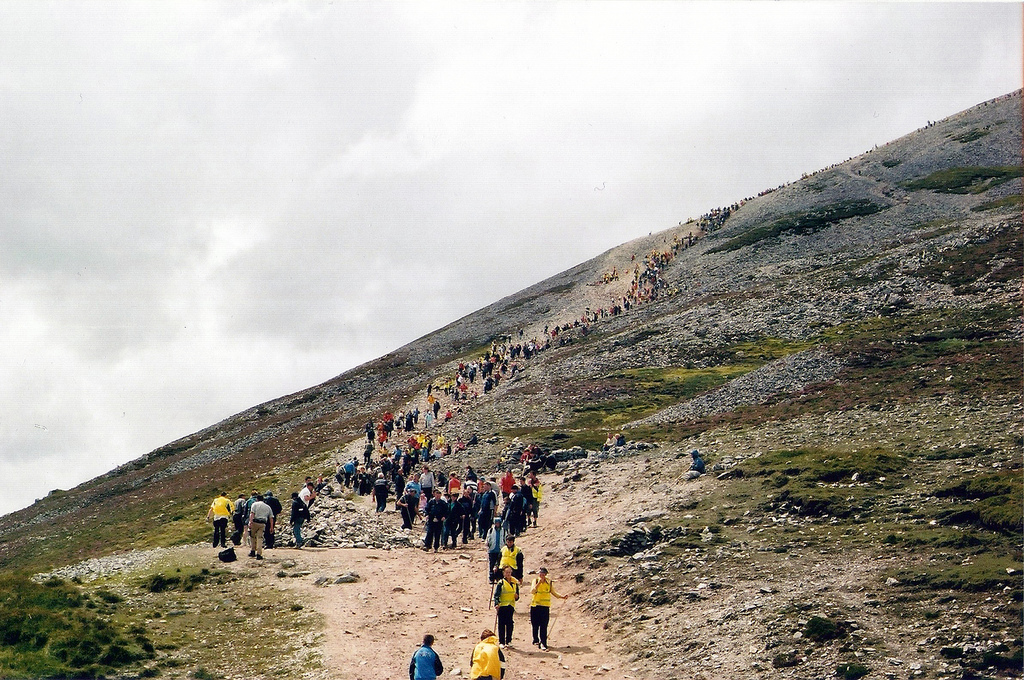
Celebrations traditionally involve climbing hills or mountains, where people gather to share food, music, and games. Offerings of the first fruits—such as the first cut of corn or bilberries—are made, sometimes by burying them at the summit as a sign of gratitude and the changing season. Feasting is central, with meals featuring the new harvest and, historically, the flesh of a sacrificed bull. Athletic contests, matchmaking, and storytelling are also part of the festivities, recalling the ancient gatherings. In some areas, everyone wears flowers for the climb, and fairs or markets may accompany the event. Today, some of these customs survive as hilltop pilgrimages or revived cultural festivals.


Joining in
If you visit Ireland around 1 August, you may find Lughnasadh marked by local gatherings, especially on hills and mountains. Expect a mix of traditional music, communal meals, and outdoor games, with some events taking on a festive, fair-like atmosphere. In certain places, the festival is celebrated as part of Christian pilgrimages or local fairs, offering a chance to experience both ancient and modern Irish culture. Visitors are welcome to join in the walks, share in the food, and enjoy the sense of community.
Sources and attribution
This page is Mela's own summary, written in new words. Its facts are drawn from the Wikipedia article Lughnasadh, whose text is available under the CC BY-SA 4.0 licence, and from its Wikidata record (CC0). Each photo is credited to its author beside it. For the full account, read the originals below.
Read more
This page was written with AI assistance from the sources listed above, and checked automatically before publishing. Spotted a mistake? Tell us. Last refreshed 2026-10-02.
 Spiritual
 Sports
 Seasonal
 Seasonal
 Seasonal
 Seasonal
 Seasonal
 Seasonal