
Imbolc (Saint Brigid's Day)
Marking the first stirrings of spring and honouring Brigid in Ireland and beyond
Imbolc, also known as Saint Brigid's Day, is a Gaelic festival celebrated on 1 February, mainly in Ireland, Scotland, and the Isle of Man. It marks the beginning of spring and honours both the ancient goddess Brigid and Saint Brigid, blending pre-Christian and Christian traditions through rituals, crafts, and community gatherings.
- Brigid's crosses are woven from rushes and hung for protection
- Imbolc marks the start of spring and the lambing season
- A Brídeóg doll is paraded by girls in some communities
- People visit holy wells and prepare special meals
- Clothing is left outside to be blessed by Brigid
What it is
Imbolc is a traditional Gaelic festival that signals the arrival of spring, celebrated on 1 February. It is a time when communities mark the lengthening days, the first signs of new life in the land, and the promise of renewal after winter. The day is dedicated to Brigid, revered both as a pre-Christian goddess of fertility, healing, and poetry, and as Saint Brigid, one of Ireland’s patron saints. For many, Imbolc is a moment to honour the cycles of nature and to seek blessings for the coming year, blending ancient customs with Christian observance.
Where it comes from
Imbolc’s roots stretch deep into Ireland’s pre-Christian past, likely linked to the start of the lambing season and the availability of fresh sheep’s milk after winter scarcity. Early Irish literature mentions Imbolc as one of four major seasonal festivals, though details of its original rites are scarce. Over time, the festival became associated with Brigid, a figure who bridges pagan and Christian traditions. The saint’s feast day was first recorded in the Middle Ages, and many customs—such as weaving Brigid’s crosses and visiting holy wells—reflect a merging of older agricultural rituals with Christian veneration.
How it is celebrated
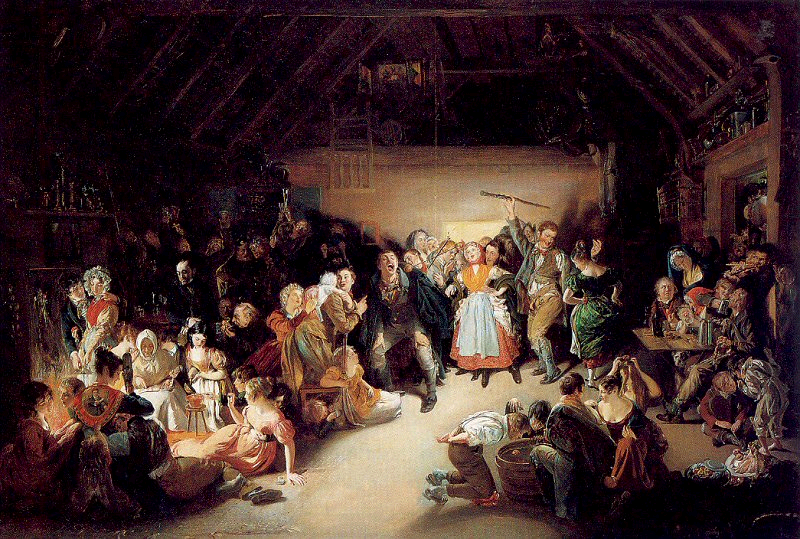
Celebrations of Imbolc traditionally include weaving Brigid’s crosses from rushes and hanging them over doors and windows for protection. On the eve of the festival, people prepare a bed for Brigid, leave out food and drink, and set clothing outside to be blessed. Girls may parade a Brídeóg, a doll representing Brigid, through the community, sometimes accompanied by 'strawboys' in costume. Visiting holy wells, sharing a special meal, and engaging in spring cleaning are also customary. For many, it is a time to reflect on weather lore and to welcome the gradual return of light and warmth.


Joining in
Visitors in Ireland, especially in rural areas, may find local communities still marking Imbolc with crafts, storytelling, and church services. The making of Brigid’s crosses is a hands-on tradition that newcomers are often invited to join. While many customs are now revived rather than continuous, attending a local event or visiting a holy well offers a glimpse into the festival’s layered meanings. Expect a gentle, reflective atmosphere focused on renewal, hospitality, and the quiet hope of spring’s return.
Sources and attribution
This page is Mela's own summary, written in new words. Its facts are drawn from the Wikipedia article Imbolc, whose text is available under the CC BY-SA 4.0 licence, and from its Wikidata record (CC0). Each photo is credited to its author beside it. For the full account, read the originals below.
Read more
- Imbolc on WikipediaEncyclopedia
- Encyclopaedia BritannicaArticle
- More photos on Wikimedia CommonsPhotos
- Wikidata recordOpen data
This page was written with AI assistance from the sources listed above, and checked automatically before publishing. Spotted a mistake? Tell us. Last refreshed 2026-10-02.
 Spiritual
 Sports
 Seasonal
 Spiritual
 Seasonal
 Seasonal
 Seasonal
 Seasonal