
Tsagaan Sar
Mongolia’s White Moon ushers in the lunar new year with family, food and peace.
Tsagaan Sar, or the Mongolian Lunar New Year, marks the first day of the Mongolian lunisolar calendar. Celebrated mainly in Mongolia and by Mongolic peoples in Russia and China, it spans three days in late winter or early spring, bringing families together for rituals, greetings, and feasting.
- Tsagaan Sar lasts three days at the start of the lunar new year.
- Families gather for ritual greetings and feasts of buuz and dairy foods.
- Homes are cleaned and candles lit on the eve, Bituun, for a fresh start.
- Gift-giving and visiting elders are central to the celebration.
- The festival blends Buddhist, shamanist, and ancient Mongolian customs.
What it is
Tsagaan Sar, meaning 'White Moon', is Mongolia’s most significant holiday and marks the start of the lunar new year. It is a time when families gather to celebrate renewal, peace, and harmony, reflecting on the past year and wishing for prosperity in the year ahead. The festival is deeply rooted in Mongolian culture, blending Buddhist, shamanistic, and ancient nomadic traditions. The color white, symbolizing purity and good intentions, is central to the celebrations, seen in both the foods served and the clothing worn. For Mongolians, Tsagaan Sar is not just a new year—it is a reaffirmation of family bonds and cultural identity.
Where it comes from
The origins of Tsagaan Sar stretch back to the era of Genghis Khan, when the twelve-year animal cycle was used to mark time. Historical records, such as The Secret History of the Mongols and accounts by Marco Polo, describe elaborate new year ceremonies involving white clothing, gift-giving, and feasting. The festival’s rituals emphasized purity, respect for elders, and reconciliation. Over centuries, Tsagaan Sar has adapted to various influences, including Buddhism and shamanism, and survived periods of suppression, such as during Mongolia’s socialist era. Today, it remains a living link to Mongolia’s past and its values of peace and harmony.
How it is celebrated
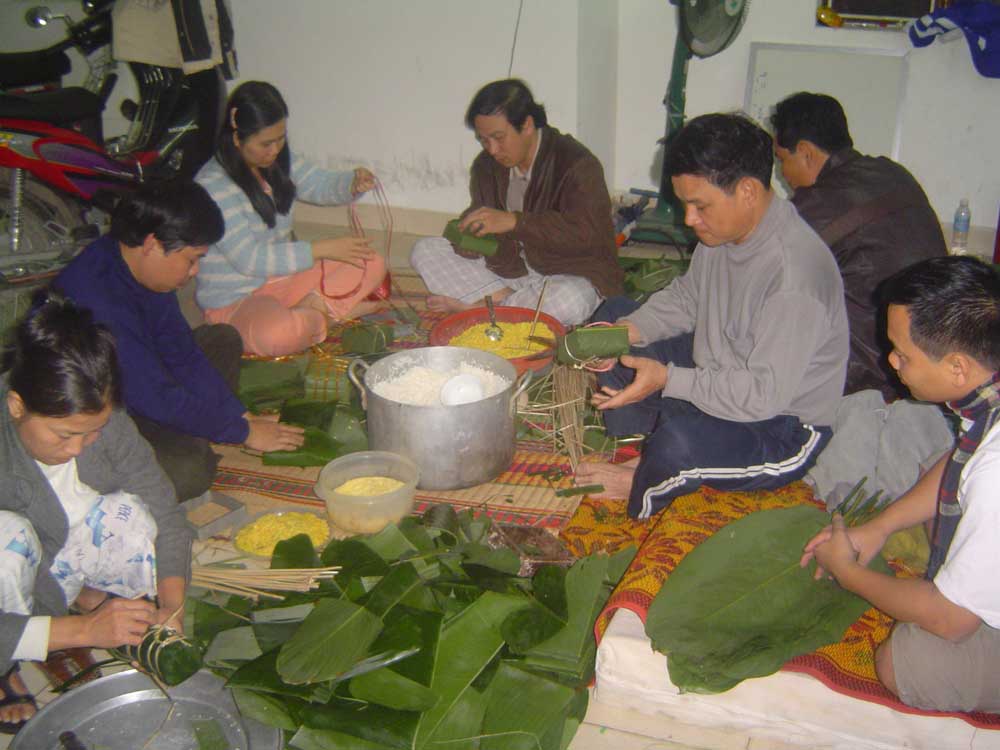
Celebrations begin on the eve of Tsagaan Sar, known as Bituun, when families thoroughly clean their homes and livestock barns to welcome the new year fresh. On Tsagaan Sar itself, people dress in traditional clothing and gather at the home of the eldest family member. The day is filled with ritual greetings called zolgokh, where younger members support the arms of elders, and the elder offers a traditional sniff-kiss on both cheeks. Special foods are prepared in abundance: steamed dumplings (buuz), mutton, sheep’s tail, rice with curds or raisins, and a pyramid of traditional cookies called ul boov. Dairy products and airag (fermented mare’s milk) are also served. Gift-giving and visiting relatives and friends are central, and quarreling is taboo—emphasis is placed on reconciliation and wishing peace for the coming year.

Joining in
Visitors during Tsagaan Sar will find the main celebrations in homes across Mongolia, especially in Ulaanbaatar and rural communities. Expect a warm welcome, with invitations to join in ritual greetings and share in the lavish feasts. As a guest, it is customary to bring a small gift and to participate respectfully in the rituals, such as the zolgokh greeting. The atmosphere is one of hospitality and genuine goodwill, with families eager to share their traditions and hopes for the new year.
Sources and attribution
This page is Mela's own summary, written in new words. Its facts are drawn from the Wikipedia article Tsagaan Sar, whose text is available under the CC BY-SA 4.0 licence, and from its Wikidata record (CC0). Each photo is credited to its author beside it. For the full account, read the originals below.
Read more
This page was written with AI assistance from the sources listed above, and checked automatically before publishing. Spotted a mistake? Tell us. Last refreshed 2026-10-02.
 Spiritual
 Cultural
 Seasonal
 Cultural
 Seasonal
 Seasonal
 Seasonal
 Seasonal