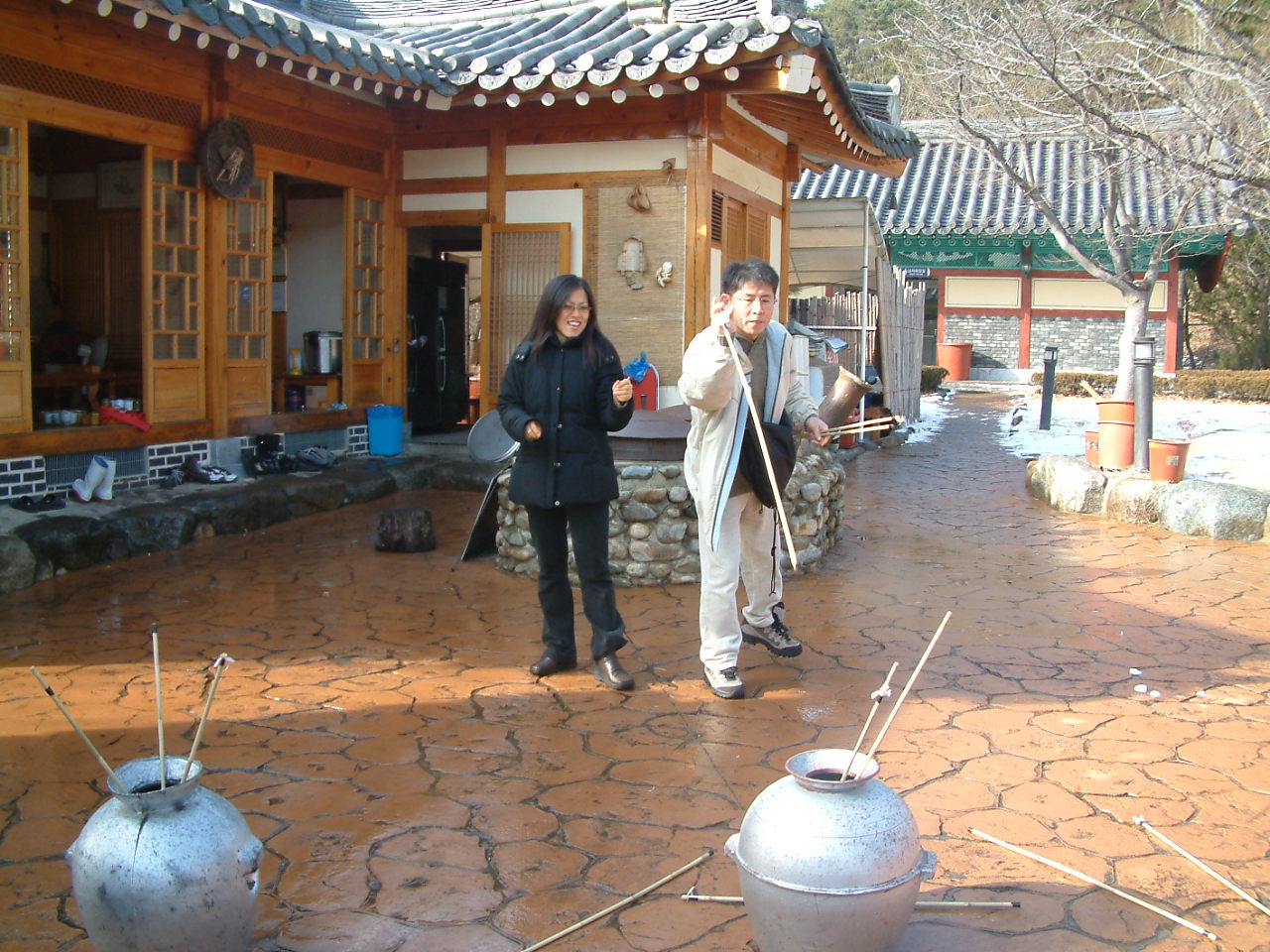
Korean New Year, known as Seollal (설날), marks the first day of the Korean lunisolar calendar and is one of the most significant traditional holidays for Koreans. Celebrated in both North and South Korea and among Korean communities worldwide, it typically falls in January or February and lasts for three days, centering on family gatherings, ancestral rites, and traditional customs.
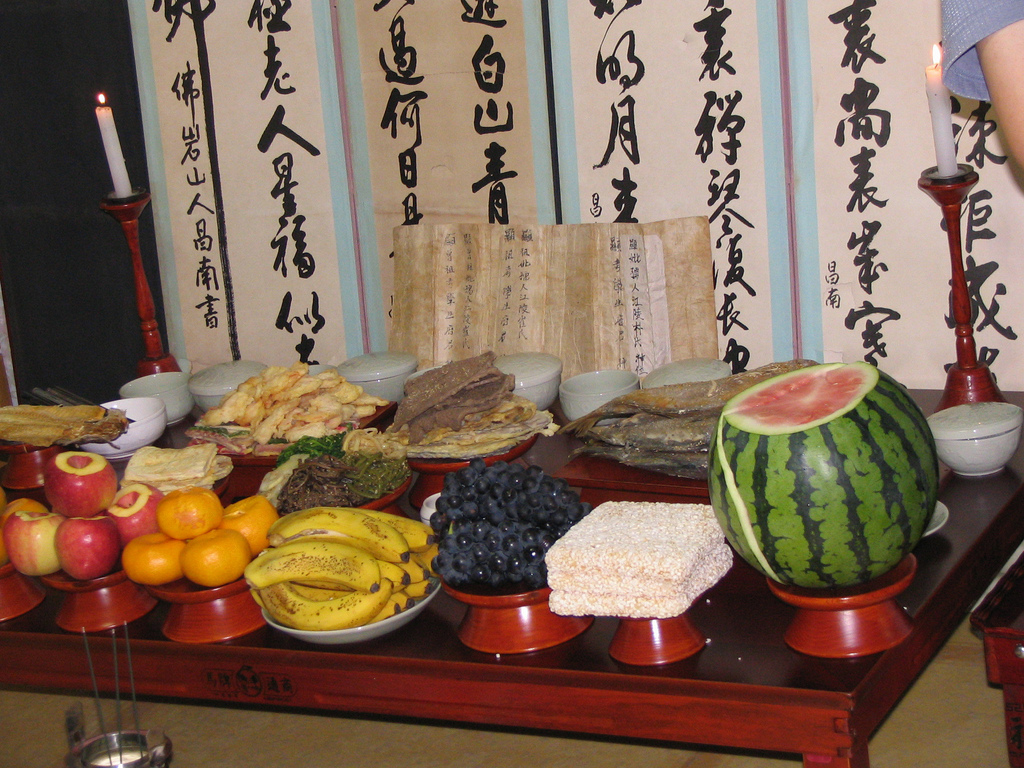
- Families perform ancestral rites called charye on the morning of Seollal
- Traditional foods like tteokguk (rice cake soup) are served
- Children bow to elders and receive money as a blessing
- Many wear hanbok, the traditional Korean dress
- Traditional games such as yutnori are played during the holiday
What it is
Korean New Year, or Seollal, is a time when Korean families come together to honor their ancestors, reconnect with relatives, and welcome a new year according to the lunar calendar. It is deeply rooted in tradition and is considered one of the most important holidays for Koreans, both in the Korean Peninsula and among the diaspora. The festival is marked by rituals, special foods, and the wearing of traditional clothing, reflecting respect for heritage and family bonds. For many, it is a rare chance to reunite with loved ones and celebrate shared history and hopes for the year ahead.
Where it comes from
The earliest records of Seollal date back to ancient Korean kingdoms, with references found in Chinese historical texts from as early as the 3rd and 7th centuries. Over time, the festival evolved, influenced by the Chinese lunisolar calendar and local customs. During the Japanese occupation of Korea in the early 20th century, Seollal was banned in favor of the Gregorian New Year, but it was revived as a national holiday after Korea's liberation in 1945. Today, Seollal continues traditions passed down through the Silla, Goryeo, and Joseon dynasties, embodying centuries of Korean cultural heritage.
How it is celebrated
Seollal is typically observed over three days: the day before, the day of, and the day after the lunar new year. Families gather, often traveling long distances, to perform ancestral rites called charye, where offerings of traditional foods are made and deep bows are given to honor ancestors. Many people wear hanbok, the colorful traditional Korean dress, though modern clothing is also common. After the rituals, families share a festive meal, with dishes such as tteokguk (rice cake soup) symbolizing the start of a new year. Children perform formal bows to elders and often receive money as a blessing. Traditional games like yutnori are played, and gifts are exchanged among family members.


Joining in
Visitors in Korea during Seollal will notice quieter cities as many people travel to their hometowns. The main celebrations take place in family homes rather than public spaces, but some cultural centers and palaces in cities like Seoul offer special events, performances, and opportunities to try on hanbok or play traditional games. Expect most businesses to close for the holiday, and travel to be busy as millions move across the country. If invited to a Korean home, participating respectfully in the rituals and sharing in the food is a memorable way to experience the festival.
Sources and attribution
This page is Mela's own summary, written in new words. Its facts are drawn from the Wikipedia article Korean New Year, whose text is available under the CC BY-SA 4.0 licence, and from its Wikidata record (CC0). Each photo is credited to its author beside it. For the full account, read the originals below.
Read more
This page was written with AI assistance from the sources listed above, and checked automatically before publishing. Spotted a mistake? Tell us. Last refreshed 2026-10-02.
 Cultural
 National days
 Seasonal
 Cultural
 Seasonal
 Seasonal
 Seasonal
 Seasonal