
Epiphany is a major Christian celebration observed on January 6 or 19, depending on tradition, across many countries including Jordan, Russia, Spain, Ethiopia, and Greece. The festival honors events such as the visit of the Magi, the baptism of Jesus, and, in some traditions, the miracle at Cana.
- Epiphany is known as Three Kings' Day in many Western countries
- Eastern Christians focus on Jesus' baptism for this feast
- Some churches hold river ceremonies and winter swimming
- Traditional foods include Three Kings Cake
- Epiphany is observed on January 6 or January 19
What it is
Epiphany is a significant Christian holiday with different meanings in various traditions. In Western Christianity, it centers on the story of the Magi—often called the Three Kings—who are believed to have visited the infant Jesus, symbolizing his presentation to the wider world. For Eastern Christians, the festival is mainly about the moment when Jesus was baptized, an event seen as revealing his divine nature. The day serves as a time for reflecting on how Christ was made known, whether to the Gentiles or to all humanity, and is marked by both religious services and communal customs.
Where it comes from
The roots of Epiphany trace back to early Christian communities, particularly in the Greek-speaking East, where the day was associated with Jesus' baptism. By the early centuries, different regions began linking January 6 with various episodes from Christ’s early life, including his birth and the visit of the wise men. In the West, the focus shifted to the Magi as a sign of Christ being revealed to all peoples, while in the East, the baptism in the Jordan River became central. Over time, these meanings developed into distinct yet related traditions, with the date and emphasis varying between churches.
How it is celebrated
Epiphany brings a variety of customs depending on where it is kept. Church services, often with special hymns and readings, are at the heart of the day. In many places, people take part in processions, sing traditional songs, and have their homes blessed. Some communities mark the occasion with the chalking of doors or the sharing of Three Kings Cake. In certain Eastern regions, believers may gather at rivers for rituals that recall the baptism of Jesus, sometimes including winter swimming. For many, Epiphany is also the moment when Christmas decorations are taken down, signaling the end of the festive season.


Joining in
If you visit during Epiphany, you’ll find celebrations in churches and public spaces across countries such as Jordan, Russia, Spain, Ethiopia, and Greece. The main events are usually held in local churches, but outdoor rituals—like river blessings or processions—are common in some places. As a guest, you are welcome to attend services, watch the processions, and, in some communities, taste special holiday foods. Expect a blend of solemn liturgy and joyful local traditions, with variations shaped by regional history and custom.
Sources and attribution
This page is Mela's own summary, written in new words. Its facts are drawn from the Wikipedia article Epiphany (holiday), whose text is available under the CC BY-SA 4.0 licence, and from its Wikidata record (CC0). Each photo is credited to its author beside it. For the full account, read the originals below.
Read more
- Epiphany (holiday) on WikipediaEncyclopedia
- Encyclopaedia BritannicaArticle
- More photos on Wikimedia CommonsPhotos
- Wikidata recordOpen data
This page was written with AI assistance from the sources listed above, and checked automatically before publishing. Spotted a mistake? Tell us. Last refreshed 2026-10-03.
More spiritual festivals
See them all Spiritual
5Jan
Isra and Mi'raj🇩🇿 Algeria and 12 more countries
Spiritual
5Jan
Isra and Mi'raj🇩🇿 Algeria and 12 more countries
 Spiritual
7Feb
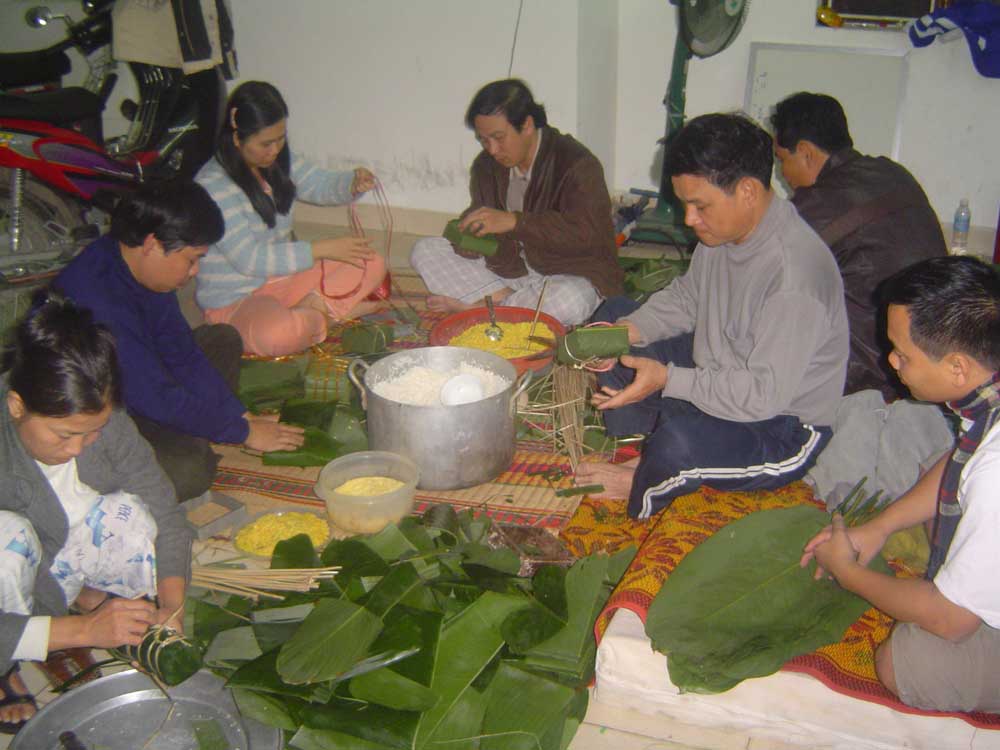
Tết🇻🇳 Vietnam and 9 more countries
Spiritual
7Feb
Tết🇻🇳 Vietnam and 9 more countries
 Spiritual
19Jan
Timkat🇪🇷 Lalibela, Eritrea and 1 more country
Spiritual
19Jan
Timkat🇪🇷 Lalibela, Eritrea and 1 more country
 Spiritual
23Jan
Tu BiShvat🇮🇱 Israel
Spiritual
23Jan
Tu BiShvat🇮🇱 Israel
 Spiritual
Janvaries
Vasant Panchami🇮🇳 India and 4 more countries
Spiritual
Janvaries
Vasant Panchami🇮🇳 India and 4 more countries
 Spiritual
23Jan
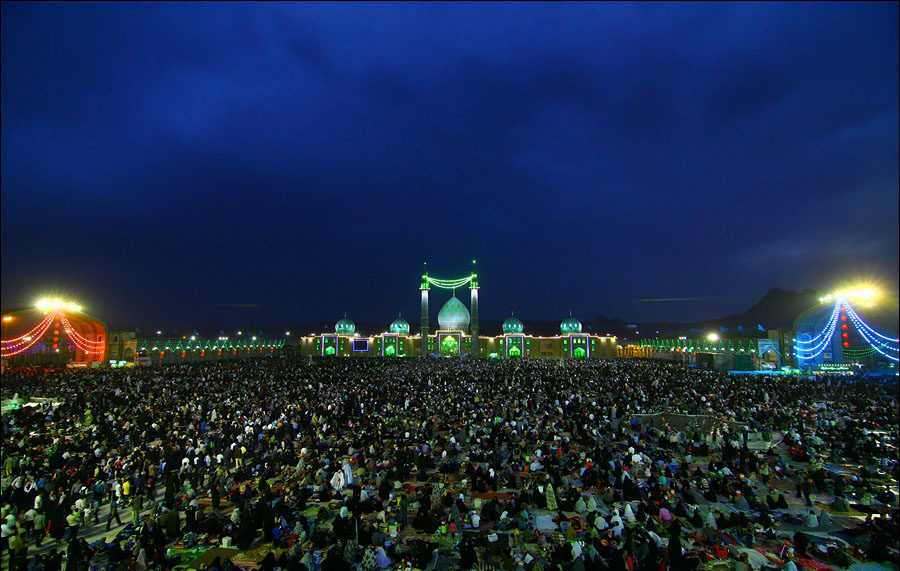
Mid-Sha'ban🇦🇫 Afghanistan and 15 more countries
Spiritual
23Jan
Mid-Sha'ban🇦🇫 Afghanistan and 15 more countries
 Spiritual
1Jan
Hatsumōde🇯🇵 Tokyo, Japan
Spiritual
1Jan
Hatsumōde🇯🇵 Tokyo, Japan
 Spiritual
17Jan
Sinulog Festival🇵🇭 Cebu City, Philippines
Spiritual
17Jan
Sinulog Festival🇵🇭 Cebu City, Philippines