
Isra and Mi'raj
Commemorating the Prophet Muhammad’s night journey and ascension to heaven
Isra and Mi'raj marks the Prophet Muhammad’s night journey from Mecca to Jerusalem and his ascension to the heavens, as described in Islamic tradition. Observed on the 27th night of Rajab, it is one of the most celebrated holy nights in the Islamic calendar, with special prayers and reflections held in many Muslim communities.
- Observed on the 27th night of the month of Rajab
- Commemorates Muhammad’s night journey and ascension to heaven
- Establishment of the five daily prayers in Islam
- Special prayers and storytelling in mosques and homes
- Celebrated in many Muslim-majority countries
What it is
Isra and Mi'raj is a significant night for Muslims, recalling the Prophet Muhammad’s miraculous journey from Mecca to Jerusalem and his ascension through the heavens. This event is deeply meaningful in Islamic tradition, representing both a spiritual elevation and a moment when the daily prayers were established. The night is seen as a time to reflect on faith, the importance of prayer, and the Prophet’s unique relationship with God. For many, it is a night of devotion, storytelling, and seeking blessings.
Where it comes from
The origins of Isra and Mi'raj are rooted in verses from the Quran and expanded upon in later Islamic literature and hadiths. The earliest written accounts were compiled about two centuries after Muhammad’s time, drawing together stories that had circulated orally. Over time, these narratives evolved, with different Islamic scholars and communities emphasizing various aspects of the journey. The event is traditionally linked to the 27th night of Rajab, though early sources sometimes gave other dates or described the Isra and Mi'raj as separate events.
How it is celebrated
On the 27th night of Rajab, Muslims gather for prayers, recitations, and reflections on the meaning of the Prophet’s journey. In mosques and homes, the story of the night journey and ascension is retold, often highlighting the moment when the five daily prayers were established. Some communities hold special night prayers (qiyam) and read passages from the Quran that relate to the event. The atmosphere is one of reverence, with believers seeking spiritual closeness and blessings. While customs vary, the focus remains on prayer, remembrance, and learning from the Prophet’s experience.


Joining in
Visitors and newcomers are welcome to observe or join the commemorations in mosques, especially in countries like Iran, Mali, India, Pakistan, Bangladesh, and Israel. Expect a night filled with prayer, storytelling, and a sense of community. It is respectful to dress modestly and participate quietly, listening to the recitations and teachings. The main celebrations often take place in mosques, but families may also mark the occasion at home with prayers and readings.
Sources and attribution
This page is Mela's own summary, written in new words. Its facts are drawn from the Wikipedia article Isra' and Mi'raj, whose text is available under the CC BY-SA 4.0 licence, and from its Wikidata record (CC0). Each photo is credited to its author beside it. For the full account, read the originals below.
Read more
- Isra' and Mi'raj on WikipediaEncyclopedia
- Encyclopaedia BritannicaArticle
- More photos on Wikimedia CommonsPhotos
- Wikidata recordOpen data
This page was written with AI assistance from the sources listed above, and checked automatically before publishing. Spotted a mistake? Tell us. Last refreshed 2026-10-02.
More spiritual festivals
See them all Spiritual
6Jan
Epiphany🇦🇷 Argentina and 33 more countries
Spiritual
6Jan
Epiphany🇦🇷 Argentina and 33 more countries
 Spiritual
19Jan
Timkat🇪🇷 Lalibela, Eritrea and 1 more country
Spiritual
19Jan
Timkat🇪🇷 Lalibela, Eritrea and 1 more country
 Spiritual
7Feb
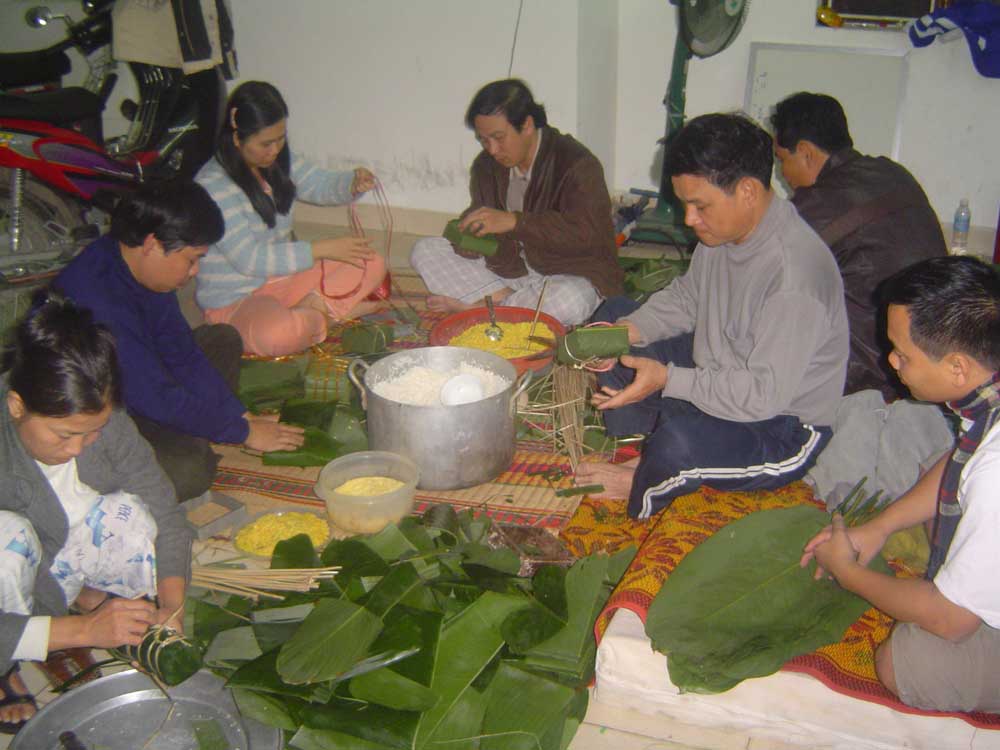
Tết🇻🇳 Vietnam and 9 more countries
Spiritual
7Feb
Tết🇻🇳 Vietnam and 9 more countries
 Spiritual
23Jan
Tu BiShvat🇮🇱 Israel
Spiritual
23Jan
Tu BiShvat🇮🇱 Israel
 Spiritual
Janvaries
Vasant Panchami🇮🇳 India and 4 more countries
Spiritual
Janvaries
Vasant Panchami🇮🇳 India and 4 more countries
 Spiritual
23Jan
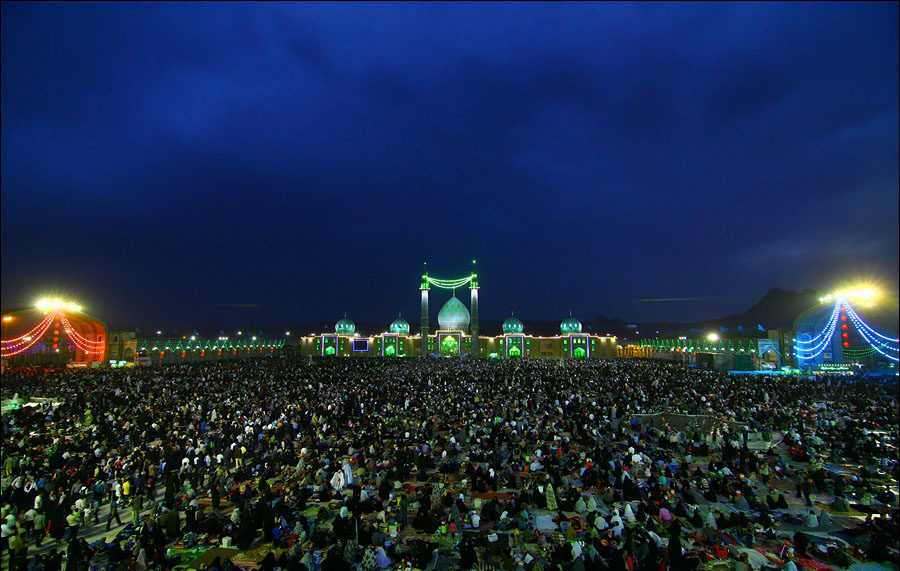
Mid-Sha'ban🇦🇫 Afghanistan and 15 more countries
Spiritual
23Jan
Mid-Sha'ban🇦🇫 Afghanistan and 15 more countries
 Spiritual
1Jan
Hatsumōde🇯🇵 Tokyo, Japan
Spiritual
1Jan
Hatsumōde🇯🇵 Tokyo, Japan
 Spiritual
17Jan
Sinulog Festival🇵🇭 Cebu City, Philippines
Spiritual
17Jan
Sinulog Festival🇵🇭 Cebu City, Philippines