
Ashura
A day of mourning and reflection marking sacrifice and deliverance in Islam
Ashura is an important Islamic day observed on the 10th of Muharram, the first month of the Islamic calendar. Marked by both Shia and Sunni Muslims, it is a day of mourning for Shia communities—especially in Iraq, Iran, and South Asia—commemorating the martyrdom of Husayn ibn Ali, while Sunnis often observe fasting and acts of charity.
- Observed on the 10th day of Muharram in the Islamic calendar
- Shia Muslims mourn Husayn ibn Ali's martyrdom at Karbala
- Sunni Muslims often fast and give charity on this day
- Major processions take place in Karbala, Iraq
- Ashura also marks the deliverance of Moses and the Israelites
What it is
Ashura is a significant day in the Islamic world, observed by both Shia and Sunni Muslims. For Shia communities, it is a solemn day of mourning, remembering the martyrdom of Husayn ibn Ali, the grandson of the Prophet Muhammad, at the Battle of Karbala. The day symbolizes the struggle for justice and standing against oppression, and is deeply woven into Shia religious identity. For Sunnis, Ashura is also a day of reflection, often associated with the deliverance of Moses and the Israelites, and marked by fasting and gratitude.
Where it comes from
The origins of Ashura trace back to early Islamic history and even earlier traditions. The word 'Ashura' means 'tenth', referring to the tenth day of Muharram. Fasting on this day was practiced by the Prophet Muhammad after observing Jewish communities in Medina fasting on Yom Kippur. Over time, Ashura became closely linked with the martyrdom of Husayn ibn Ali in 680 CE, which gave the day its deep significance for Shia Muslims. Sunni traditions also connect Ashura with various events of deliverance and mercy in religious history.
How it is celebrated
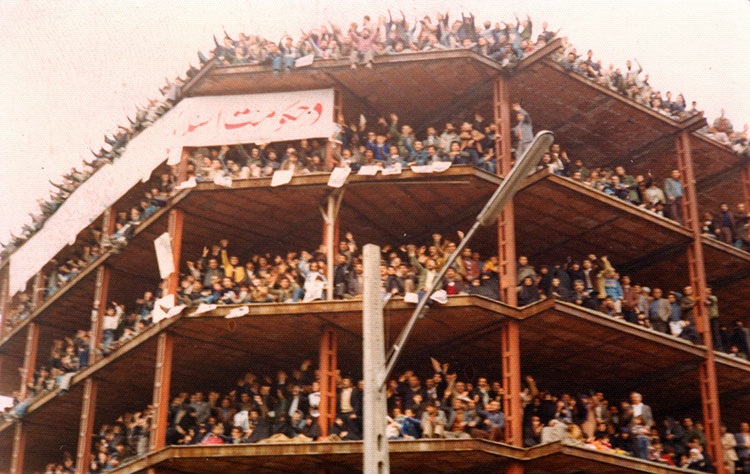
Shia Muslims mark Ashura with mourning rituals, including processions, recitations of elegies, and gatherings called majalis where the story of Husayn and the events of Karbala are retold to evoke grief and solidarity. Some participants engage in chest-beating or self-flagellation as expressions of sorrow. Pilgrimage to Husayn's shrine in Karbala, Iraq, is a central act for many. In contrast, Sunni Muslims often observe Ashura by fasting, prayer, and charitable acts, viewing it as a day of gratitude for God's mercy. In some regions, Sunnis also prepare special dishes, honor the dead, or participate in community gatherings.



Joining in
Visitors in cities like Karbala, Iraq, or major Shia centers in Iran and South Asia will witness large processions and public displays of mourning, especially on the tenth day of Muharram. The atmosphere is deeply emotional, with streets filled by mourners dressed in black, rhythmic chants, and communal meals distributed to all. In Sunni communities, mosques may host sermons and encourage voluntary fasting. Respectful observance and sensitivity to local customs are important for anyone wishing to experience Ashura firsthand.
Sources and attribution
This page is Mela's own summary, written in new words. Its facts are drawn from the Wikipedia article Ashura, whose text is available under the CC BY-SA 4.0 licence, and from its Wikidata record (CC0). Each photo is credited to its author beside it. For the full account, read the originals below.
Read more
- Ashura on WikipediaEncyclopedia
- Encyclopaedia BritannicaArticle
- More photos on Wikimedia CommonsPhotos
- Wikidata recordOpen data
This page was written with AI assistance from the sources listed above, and checked automatically before publishing. Spotted a mistake? Tell us. Last refreshed 2026-10-02.
 Seasonal
 Cultural
 Seasonal
 Spiritual
 Spiritual
 Spiritual
 Spiritual
 Spiritual