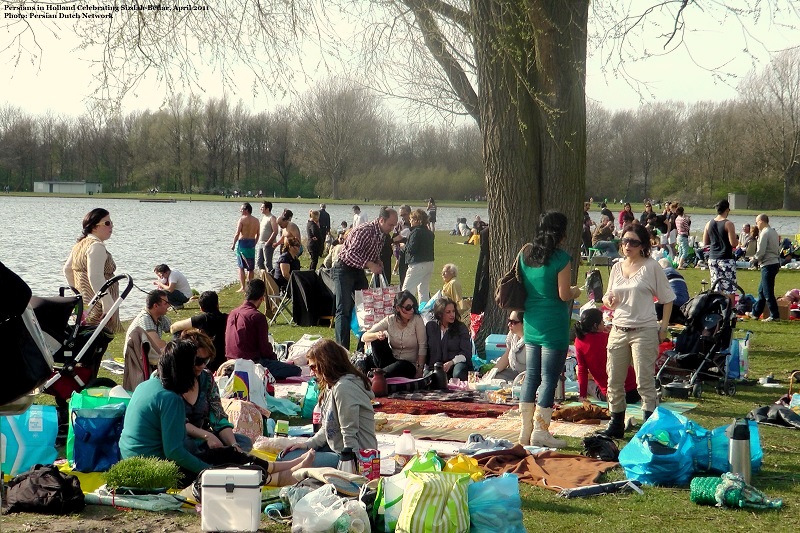
Sizdah Be-dar, also known as Nature Day, is celebrated in Iran and by Iranian communities worldwide thirteen days after Nowruz, the Persian New Year. Families and friends gather outdoors for picnics, marking the end of the Nowruz holidays and welcoming the new season together.
- Celebrated outdoors with family picnics
- Marks the end of the Nowruz holidays
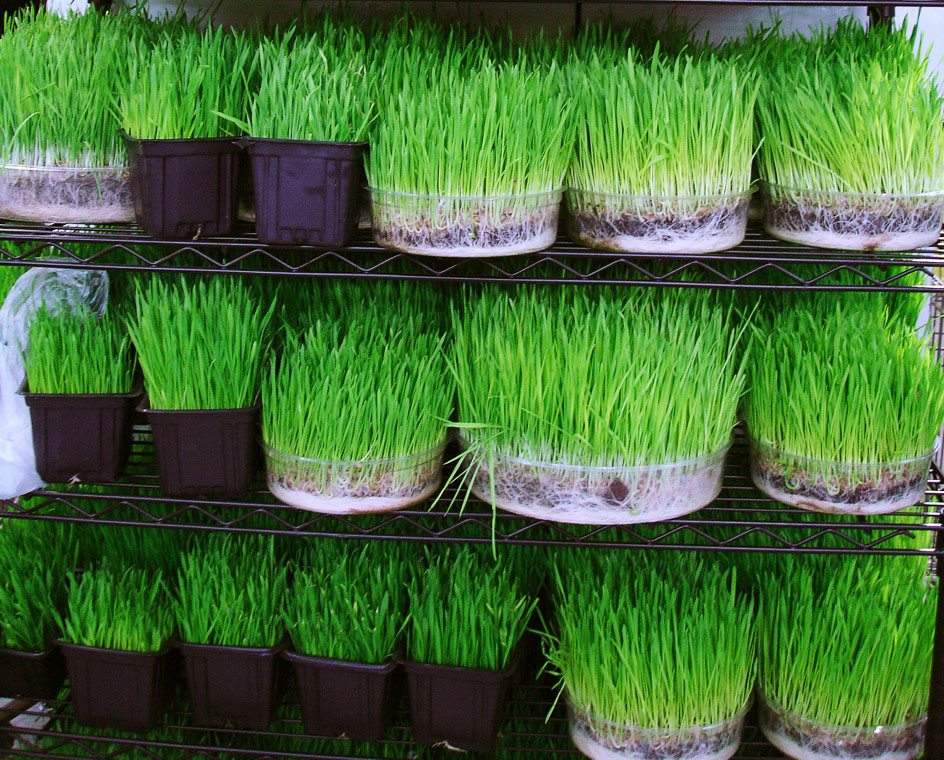
- Sabzeh (sprouted greens) are cast into running water
- Sekanjabin and lettuce are traditional foods
- Features playful pranks called 'Lie of the Thirteen'
What it is
Sizdah Be-dar is a cherished Iranian festival that brings people together in nature on the thirteenth day after Nowruz. It is a day for families and friends to leave their homes and spend time outdoors, picnicking in parks, fields, or by rivers. The festival marks the official close of the Nowruz celebrations and is seen as a way to start the new year with joy, fresh air, and a sense of renewal. Many believe that being in nature on this day wards off misfortune and brings good luck for the year ahead.
Where it comes from
The historical roots of Sizdah Be-dar are not entirely clear, but references to the thirteenth day of Farvardin appear in ancient Persian literature. Traditionally, each of the twelve days following Nowruz represented a month of the year, with the thirteenth day marking the transition to the rest of the year. In Zoroastrian tradition, this day was associated with Tir, the angel of rain, and people would gather outdoors to pray for rain and celebrate nature's renewal. Over time, the day became linked with the idea of dispelling bad luck associated with the number thirteen by spending it in the open air.
How it is celebrated
On Sizdah Be-dar, Iranians of all ages head outside for picnics, filling parks, gardens, and countryside spots with laughter and shared meals. A key ritual is the disposal of 'sabzeh'—the sprouted greens grown for the Haft-Seen Nowruz table—which are thrown into flowing water to symbolize letting go of the past and bringing good fortune. Young people sometimes knot the stems of these greens before tossing them, wishing for love or the fulfillment of hopes. Foods like lettuce dipped in sekanjabin (a sweet-sour mint drink) and ash-e doogh (yogurt soup) are traditional treats. Playful pranks, known as the 'Lie of the Thirteen', add a lighthearted spirit, similar to April Fools' Day.

Joining in
If you visit Iran or join an Iranian community abroad during Sizdah Be-dar, expect lively gatherings in parks and natural spaces. The atmosphere is relaxed and welcoming, with groups sharing food, music, and games. You might be invited to taste sekanjabin with lettuce or join in the ritual of casting greens into water. In cities like Tehran, Isfahan, or even among the diaspora in places like the Netherlands, the day is a chance to experience Iranian hospitality and the joy of spring outdoors.
Sources and attribution
This page is Mela's own summary, written in new words. Its facts are drawn from the Wikipedia article Sizdah Be-dar, whose text is available under the CC BY-SA 4.0 licence, and from its Wikidata record (CC0). Each photo is credited to its author beside it. For the full account, read the originals below.
Read more
- Sizdah Be-dar on WikipediaEncyclopedia
- More photos on Wikimedia CommonsPhotos
- Wikidata recordOpen data
This page was written with AI assistance from the sources listed above, and checked automatically before publishing. Spotted a mistake? Tell us. Last refreshed 2026-10-02.
 Spiritual
 Seasonal
 Cultural
 Spiritual
 Seasonal
 Seasonal
 Seasonal
 Seasonal