
Akitu is the Assyrian and Babylonian New Year festival, celebrated on April 1 or in the first days of April, marking the start of spring and the sowing of barley. Once a twelve-day ritual in ancient Mesopotamia, today it is observed by Assyrian communities in Iraq, Syria, and the diaspora with parades, picnics, and traditional dress.
- Celebrated on April 1 as the Assyrian and Babylonian New Year
- Ancient festival lasted twelve days with elaborate rituals
- Modern Akitu features parades, picnics, and traditional dress
- Deqna Nissan: garlands of flowers decorate homes
- Observed in Iraq, Syria, and Assyrian diaspora communities
What it is
Akitu is a spring festival that marks the New Year in the Assyrian and Babylonian calendars, rooted in the ancient traditions of Mesopotamia. It celebrates the renewal of the land and the sowing of barley, symbolizing hope and new beginnings. For Assyrians and Babylonians, Akitu was a time to honor the gods, seek blessings for the coming year, and reaffirm the bond between the community and the divine. Today, it remains a powerful expression of cultural identity and continuity for Assyrian people, connecting them to their ancient heritage.
Where it comes from
Akitu traces its origins to the Sumerian spring New Year festival of Zagmuk and became a central event in Babylonian and Assyrian religious life. In ancient times, the festival lasted twelve days, involving elaborate rituals, prayers, and processions to honor the gods, especially Marduk. The festival was later adopted by the Neo-Assyrian Empire and continued through various historical periods, even spreading to Syria and Italy during the Roman era. In modern times, Akitu was revived during the Assyrian intellectual renaissance of the 1960s, becoming a symbol of cultural pride and resilience.
How it is celebrated
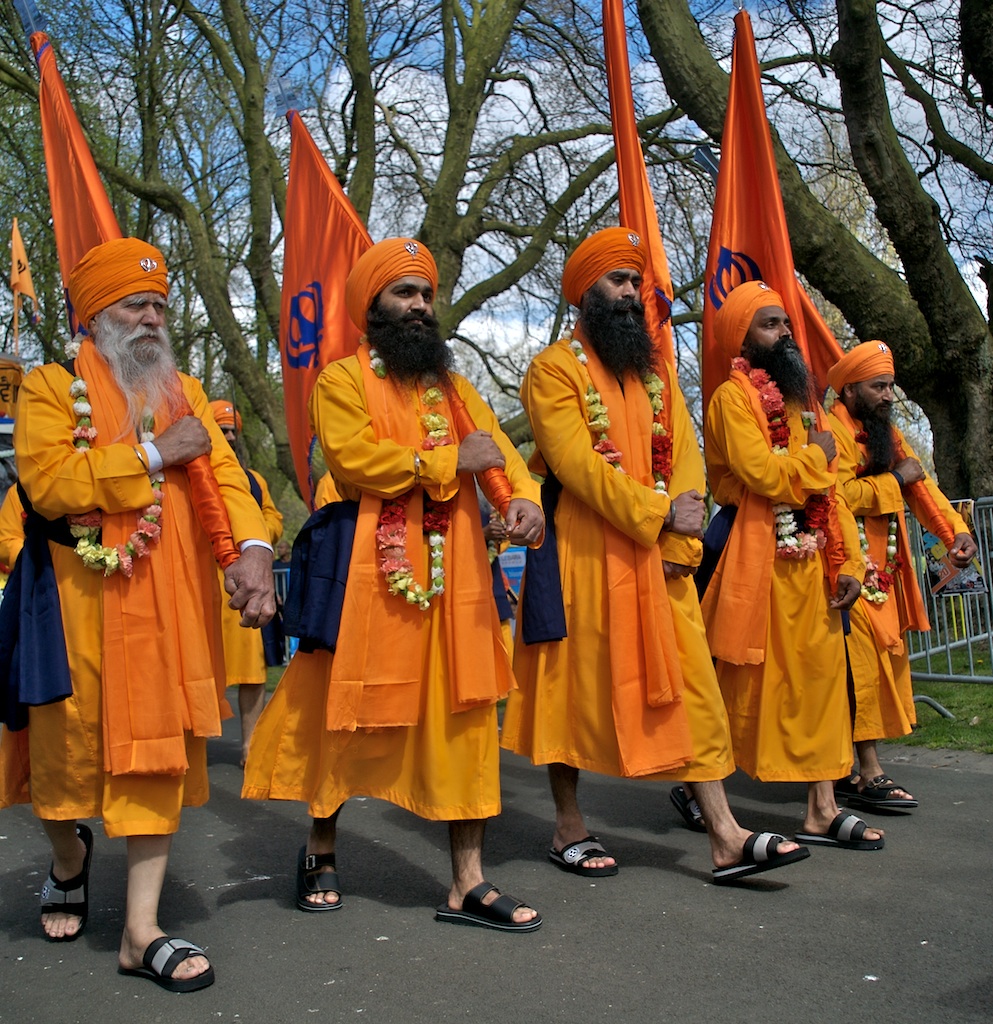
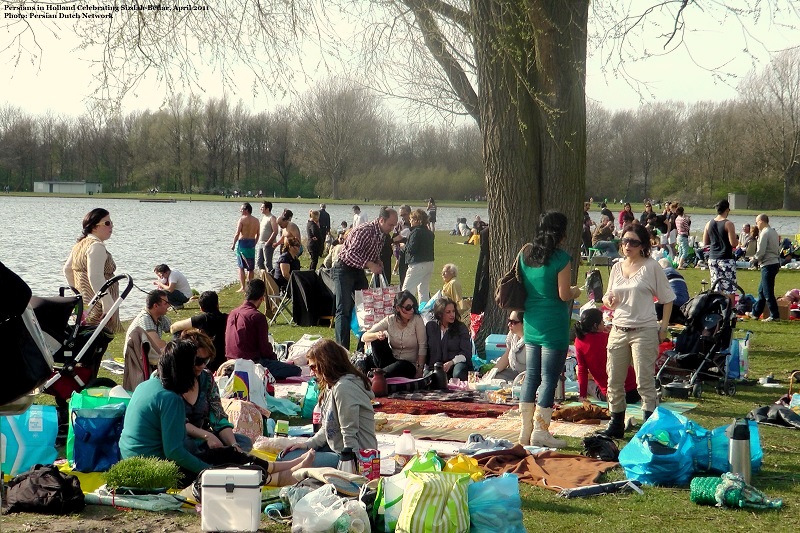
In ancient Babylon, Akitu unfolded over twelve days with prayers, storytelling, processions, and symbolic rituals involving the king and priests. The festival included communal meals, the burning of crafted puppets, and dramatic reenactments of mythic battles, all aimed at securing divine favor and the renewal of the land. Today, Assyrian communities celebrate Akitu on April 1 with parades, picnics, and parties. People wear traditional Assyrian clothing and poppies, exchange festive greetings, and sometimes dress as ancient royalty. One cherished tradition, Deqna Nissan or 'The Beard of April,' sees women weaving garlands of plants and flowers to decorate homes. In diaspora communities, newer customs like flag-raising ceremonies have emerged, blending ancient themes with modern expressions of identity.
Joining in
Visitors can join Akitu celebrations in cities with significant Assyrian populations, especially in Iraq and Syria. The main festivities often take place on April 1, featuring public parades, music, and communal gatherings. Expect to see people in vibrant traditional dress, hear ancient greetings, and witness the joyful spirit of renewal. In some diaspora communities, look for special events like flag-raising ceremonies or cultural performances that welcome newcomers and celebrate Assyrian heritage.
Sources and attribution
This page is Mela's own summary, written in new words. Its facts are drawn from the Wikipedia article Akitu, whose text is available under the CC BY-SA 4.0 licence, and from its Wikidata record (CC0). Each photo is credited to its author beside it. For the full account, read the originals below.
Read more
This page was written with AI assistance from the sources listed above, and checked automatically before publishing. Spotted a mistake? Tell us. Last refreshed 2026-10-02.
 Spiritual
 Spiritual
 Spiritual
 Seasonal
 Seasonal
 Seasonal
 Seasonal
 Seasonal