
Hıdırellez
A spring festival marking the meeting of Hızır and İlyas
Hıdırellez is a spring festival celebrated on the night of May 5 to May 6, mainly in Turkey, the Balkans, and parts of the Middle East. It marks the meeting of the prophets Hızır (Al-Khidr) and İlyas (Elijah) and is seen as a time of renewal and the arrival of spring.
- Celebrated from the night of May 5 to May 6
- Marks the meeting of Hızır and İlyas
- UNESCO Intangible Cultural Heritage in Turkey and North Macedonia
- Wishes are made by tying notes to trees or placing objects under roses
- Bonfires are lit and jumped over for good luck
What it is
Hıdırellez is a folk festival that signals the arrival of spring, celebrated across Turkey, the Balkans, and regions of the Middle East. It is rooted in the belief that the prophets Hızır (Al-Khidr) and İlyas (Elijah) meet on this day, bringing blessings, fertility, and renewal to the land. For many, Hıdırellez is a time to welcome the rebirth of nature and to hope for health, happiness, and abundance in the coming season. The festival blends ancient springtime rituals with local traditions and is observed by people of various backgrounds, regardless of religious affiliation.
Where it comes from
The origins of Hıdırellez trace back to ancient spring and summer rituals practiced by Turkic and other Central Asian peoples, long before their arrival in Anatolia and the Balkans. These celebrations honored the renewal of nature and often involved offerings to deities associated with earth and sky. Over centuries, these traditions merged with the cult of Hızır, a figure revered for his wisdom and association with life and fertility, and with Christian celebrations of St. George’s Day. The blending of these beliefs and customs gave rise to Hıdırellez as it is known today, a festival that bridges pagan, Islamic, and Christian elements.
How it is celebrated
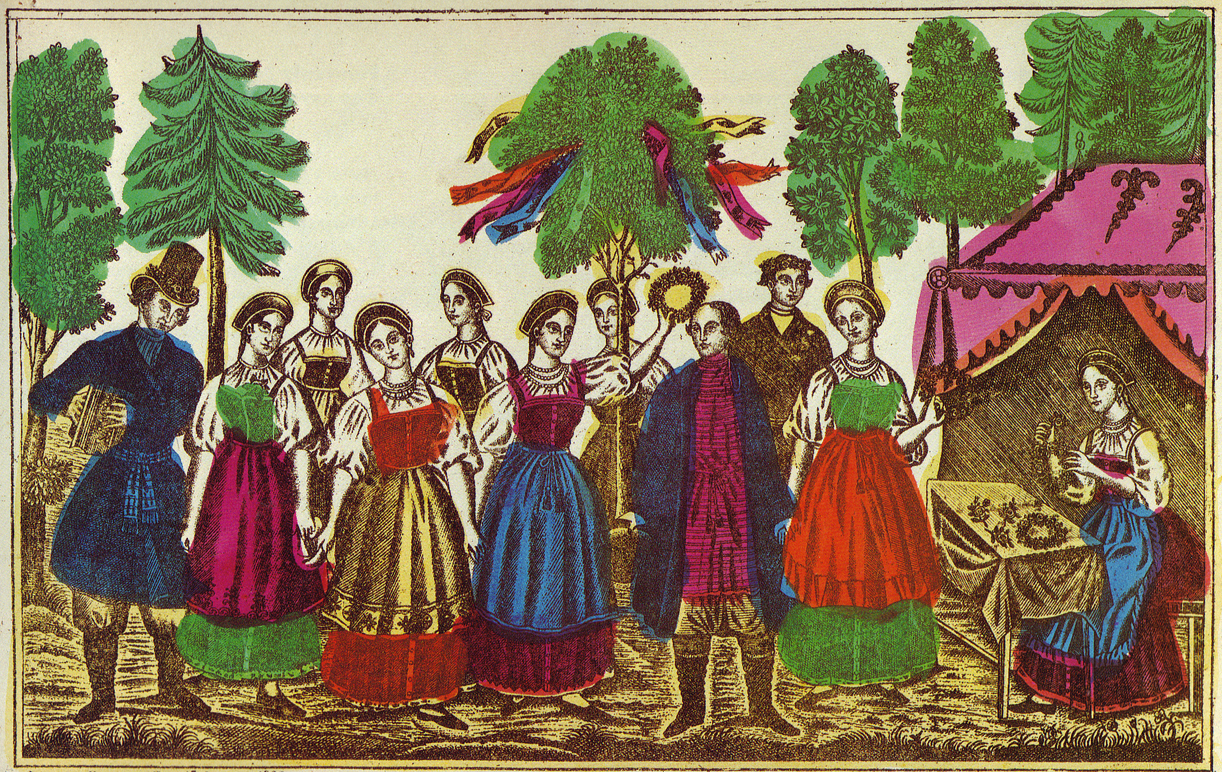
Hıdırellez is marked by a variety of rituals and communal gatherings. People often spend the day outdoors, picnicking in nature, singing folk songs, and dancing. In some regions, special foods are prepared and shared among families and neighbors. Rituals may include making wishes for the coming year—writing them on paper or tying them to trees and bushes, or placing symbolic objects under rose bushes overnight. Some communities light bonfires, which people jump over for good luck and health. The festival is also a time for traditional music and performances, and in certain areas, ceremonies are held at sites believed to be sacred to Hızır or St. George. The atmosphere is festive, with a strong sense of community and hope for the future.

Joining in
If you visit Turkey or the Balkans during Hıdırellez, you are likely to find celebrations in parks, villages, and towns, especially in rural areas and cities with strong folk traditions. Expect lively gatherings with music, dancing, and shared meals. Visitors are often welcome to join in the rituals, such as making wishes or jumping over bonfires. The main celebrations take place from the evening of May 5 through May 6, and you can experience both the spiritual and communal sides of this unique spring festival.
Sources and attribution
This page is Mela's own summary, written in new words. Its facts are drawn from the Wikipedia article Hıdırellez, whose text is available under the CC BY-SA 4.0 licence, and from its Wikidata record (CC0). Each photo is credited to its author beside it. For the full account, read the originals below.
Read more
- Hıdırellez on WikipediaEncyclopedia
- UNESCO Intangible Cultural HeritageArticle
- More photos on Wikimedia CommonsPhotos
- Wikidata recordOpen data
This page was written with AI assistance from the sources listed above, and checked automatically before publishing. Spotted a mistake? Tell us. Last refreshed 2026-10-02.
 Sports
 Seasonal
 Sports
 Cultural
 Seasonal
 Seasonal
 Seasonal
 Seasonal