
May Day is a European festival marking the start of summer, celebrated on May 1. Traditions include dancing around maypoles, crowning a May Queen, decorating with flowers and greenery, and lighting bonfires, with festivities found across Ireland, Germany, France, Sweden, and beyond.
- Dancing around decorated maypoles is a central tradition.
- May Queen is crowned in many communities.
- Bonfires are lit in Ireland and Germany for protection and luck.
- Homes are adorned with fresh flowers and greenery.
- May baskets of sweets or flowers are left anonymously at neighbors' doors.
What it is
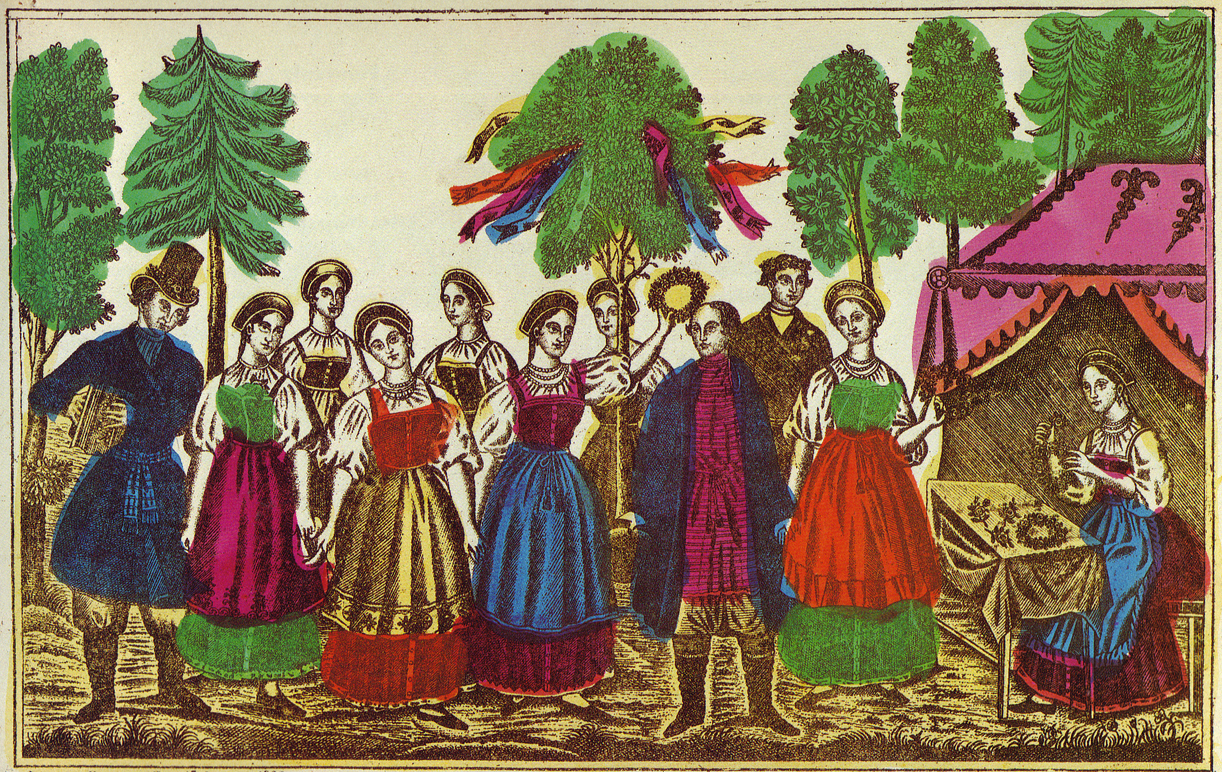
May Day is a vibrant festival that signals the arrival of summer in many parts of Europe. Rooted in ancient customs, it is a time when communities come together to celebrate nature's renewal and the promise of warmer days. The day is most widely recognized for its maypoles, around which people dance and sing, and for the crowning of the May Queen, a symbol of youth and growth. Houses and public spaces are adorned with fresh flowers and greenery, and in some regions, bonfires are lit to ward off lingering winter spirits. For many, May Day is both a joyful community gathering and a living link to the rhythms of the land.
Where it comes from
May Day's origins reach back to ancient Roman times, with festivals like Floralia honoring Flora, the goddess of flowers, and Maiouma celebrating Dionysus and Aphrodite. In medieval Europe, the night before May Day—May Eve—was marked by bonfires, a tradition that survives in places like Germany's Walpurgis Night. In Celtic regions, May Day aligns with Beltane, a fire festival for blessing livestock and ensuring fertility. Over centuries, these customs blended with local traditions, Catholic devotions, and, more recently, revived pagan practices, creating the varied celebrations seen today.
How it is celebrated
Celebrations vary by region but share common threads of joy, color, and community. People gather green branches and wildflowers to decorate homes and weave into wreaths. The maypole, often festooned with ribbons and flowers, becomes the centerpiece for group dances and songs. In many places, a May Queen is crowned, sometimes accompanied by a companion dressed in greenery. Bonfires are lit in Ireland and Germany, with rituals to protect people and livestock and to bring good luck. In some areas, secret gifts of flowers or sweets—May baskets—are left on neighbors' doorsteps. Feasting, processions, and playful competitions often round out the festivities, making May Day a lively and inclusive celebration.


Joining in
Visitors can experience May Day in towns and villages across Europe, with especially rich traditions in Ireland, Germany, and the UK. Expect to see maypoles in village greens, flower-crowned children, and lively processions. In some places, bonfires light up the night, and local foods are shared among neighbors and guests. Joining in is as simple as enjoying the music, sampling festive treats, or even taking a turn around the maypole. Customs are welcoming, and newcomers are often invited to take part in the dances and celebrations.
Sources and attribution
This page is Mela's own summary, written in new words. Its facts are drawn from the Wikipedia article May Day, whose text is available under the CC BY-SA 4.0 licence, and from its Wikidata record (CC0). Each photo is credited to its author beside it. For the full account, read the originals below.
Read more
- May Day on WikipediaEncyclopedia
- Encyclopaedia BritannicaArticle
- More photos on Wikimedia CommonsPhotos
- Wikidata recordOpen data
This page was written with AI assistance from the sources listed above, and checked automatically before publishing. Spotted a mistake? Tell us. Last refreshed 2026-10-02.
More seasonal and harvest festivals
See them all Seasonal
1May
Beltane🇮🇪 Uisneach, Ireland and 1 more country
Seasonal
1May
Beltane🇮🇪 Uisneach, Ireland and 1 more country
 Seasonal
5May
Hıdırellez🇦🇿 Azerbaijan and 11 more countries
Seasonal
5May
Hıdırellez🇦🇿 Azerbaijan and 11 more countries
 Seasonal
2May
Green Week🇧🇾 Belarus and 8 more countries
Seasonal
2May
Green Week🇧🇾 Belarus and 8 more countries
 Seasonal
Mayvaries
Royal Ploughing Ceremony🇰🇭 Bangkok, Cambodia and 1 more country
Seasonal
Mayvaries
Royal Ploughing Ceremony🇰🇭 Bangkok, Cambodia and 1 more country
 Seasonal
30May
Kaamatan🇲🇾 Penampang, Malaysia
Seasonal
30May
Kaamatan🇲🇾 Penampang, Malaysia
 Seasonal
24Jun
Midsummer🇦🇱 Albania and 29 more countries
Seasonal
24Jun
Midsummer🇦🇱 Albania and 29 more countries
 Seasonal
13Apr
Thingyan🇲🇲 Yangon, Myanmar
Seasonal
13Apr
Thingyan🇲🇲 Yangon, Myanmar
 Seasonal
13Apr
Songkran🇹🇭 Bangkok, Thailand
Seasonal
13Apr
Songkran🇹🇭 Bangkok, Thailand