
Midsummer
Celebrating the height of summer with bonfires, feasts, and ancient rituals
Midsummer marks the height of summer around the time of the summer solstice, especially in Northern Europe. Celebrated with bonfires, feasting, and maypole dancing, it is a time for outdoor gatherings and community festivities, often falling on or near 23–24 June.
- Bonfires are lit to mark the solstice and drive away evil spirits
- Maypole dancing is a central tradition in Sweden and parts of Europe
- The date is closely linked to Saint John's Day on 24 June
- Homes are decorated with birch, flowers, and greenery
- Feasting and singing bring communities together outdoors
What it is
Midsummer, known locally as Midsommar in Sweden, is a festival that celebrates the longest day of the year and the fullness of summer. Rooted in European tradition, it is a time when communities gather outdoors to mark the turning point of the sun’s journey. The festival is filled with symbols of light and growth, reflecting the importance of this season for agriculture and social life. For many, it is a moment to enjoy nature, connect with neighbors, and honor customs passed down through generations.
Where it comes from
The cultural significance of the summer solstice stretches back to the Neolithic era, with ancient monuments aligned to the sun’s position at this time. In Roman times, the solstice was marked as the middle of summer, and the festival of Fors Fortuna was celebrated with river processions. Over centuries, the date became associated with Christian observances, especially the birth of John the Baptist, and was set on 24 June. Traditions such as lighting bonfires and decorating homes with greenery have deep roots, blending pre-Christian and Christian meanings.
How it is celebrated
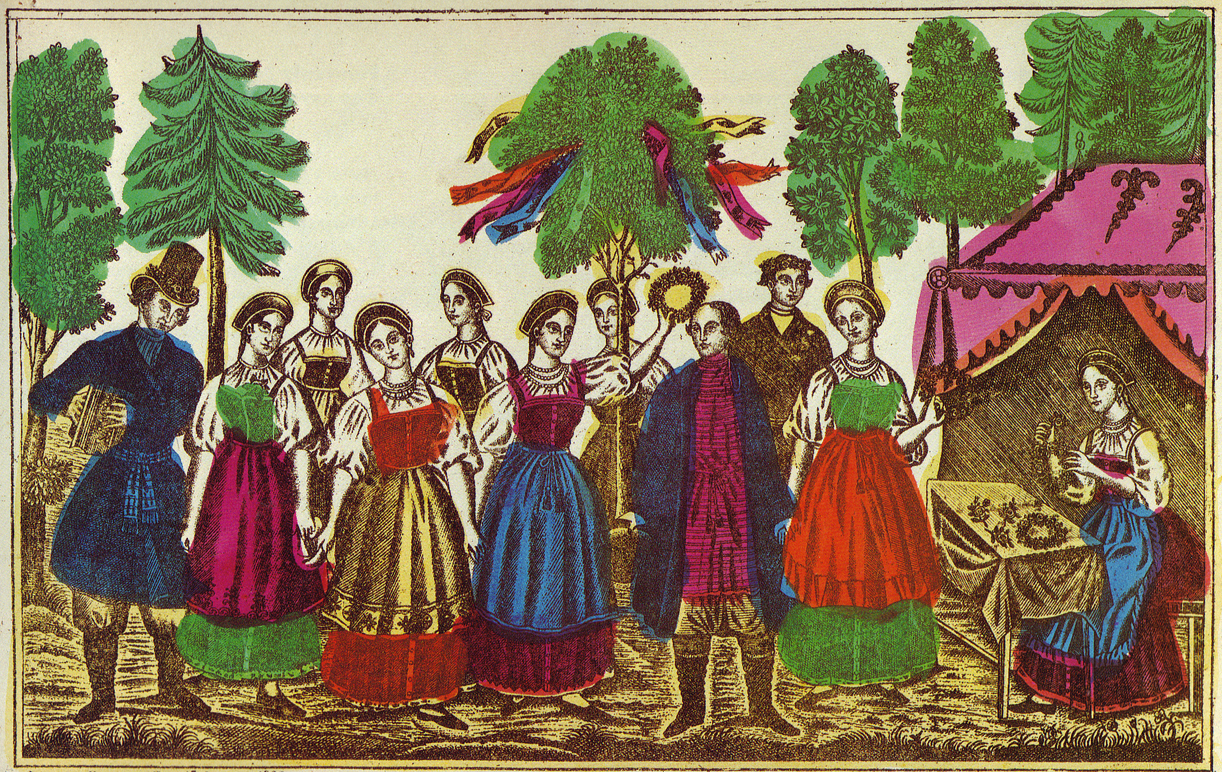
Midsummer is celebrated with lively outdoor gatherings that often feature large bonfires, symbolizing the sun at its peak and believed to ward off evil. In many regions, people dance around maypoles adorned with flowers and greenery, sing traditional songs, and enjoy feasts with family and friends. Homes and public spaces are decorated with birch, fennel, and garlands of flowers. In some places, processions and church services are held, and baptisms are common on this day. The festival is a blend of joyful revelry and ritual, with each community adding its own local flavor to the celebrations.


Joining in
If you visit during Midsummer, expect to find the heart of festivities in towns and villages across Sweden, Finland, Latvia, Lithuania, and Estonia, where it is a public holiday. Look for gatherings in parks, open fields, or by lakes, where locals welcome newcomers to join in dancing, singing, and sharing food. The atmosphere is open and festive, with traditions explained and shared freely, making it easy for visitors to take part in the experience.
Sources and attribution
This page is Mela's own summary, written in new words. Its facts are drawn from the Wikipedia article Midsummer, whose text is available under the CC BY-SA 4.0 licence, and from its Wikidata record (CC0). Each photo is credited to its author beside it. For the full account, read the originals below.
Read more
- Midsummer on WikipediaEncyclopedia
- Encyclopaedia BritannicaArticle
- Midsummer travel guide on WikivoyageTravel guide
- More photos on Wikimedia CommonsPhotos
- Wikidata recordOpen data
This page was written with AI assistance from the sources listed above, and checked automatically before publishing. Spotted a mistake? Tell us. Last refreshed 2026-10-02.
More seasonal and harvest festivals
See them all Seasonal
Junvaries
Kupala Night🇧🇾 Belarus and 2 more countries
Seasonal
Junvaries
Kupala Night🇧🇾 Belarus and 2 more countries
 Seasonal
Junvaries
Matariki🇳🇿 New Zealand
Seasonal
Junvaries
Matariki🇳🇿 New Zealand
 Seasonal
Junvaries
Ohum Festival🇬🇭 Old Tafo, Ghana
Seasonal
Junvaries
Ohum Festival🇬🇭 Old Tafo, Ghana
 Seasonal
1Jun
Gawai Dayak🇮🇩 West Kalimantan, Indonesia and 1 more country
Seasonal
1Jun
Gawai Dayak🇮🇩 West Kalimantan, Indonesia and 1 more country
 Seasonal
1May
Beltane🇮🇪 Uisneach, Ireland and 1 more country
Seasonal
1May
Beltane🇮🇪 Uisneach, Ireland and 1 more country
 Seasonal
1May
May Day Festival🇦🇺 Australia and 22 more countries
Seasonal
1May
May Day Festival🇦🇺 Australia and 22 more countries
 Seasonal
5May
Hıdırellez🇦🇿 Azerbaijan and 11 more countries
Seasonal
5May
Hıdırellez🇦🇿 Azerbaijan and 11 more countries
 Seasonal
2May
Green Week🇧🇾 Belarus and 8 more countries
Seasonal
2May
Green Week🇧🇾 Belarus and 8 more countries