Vaisakhi
Spring harvest and new year festival of Punjab and Northern India
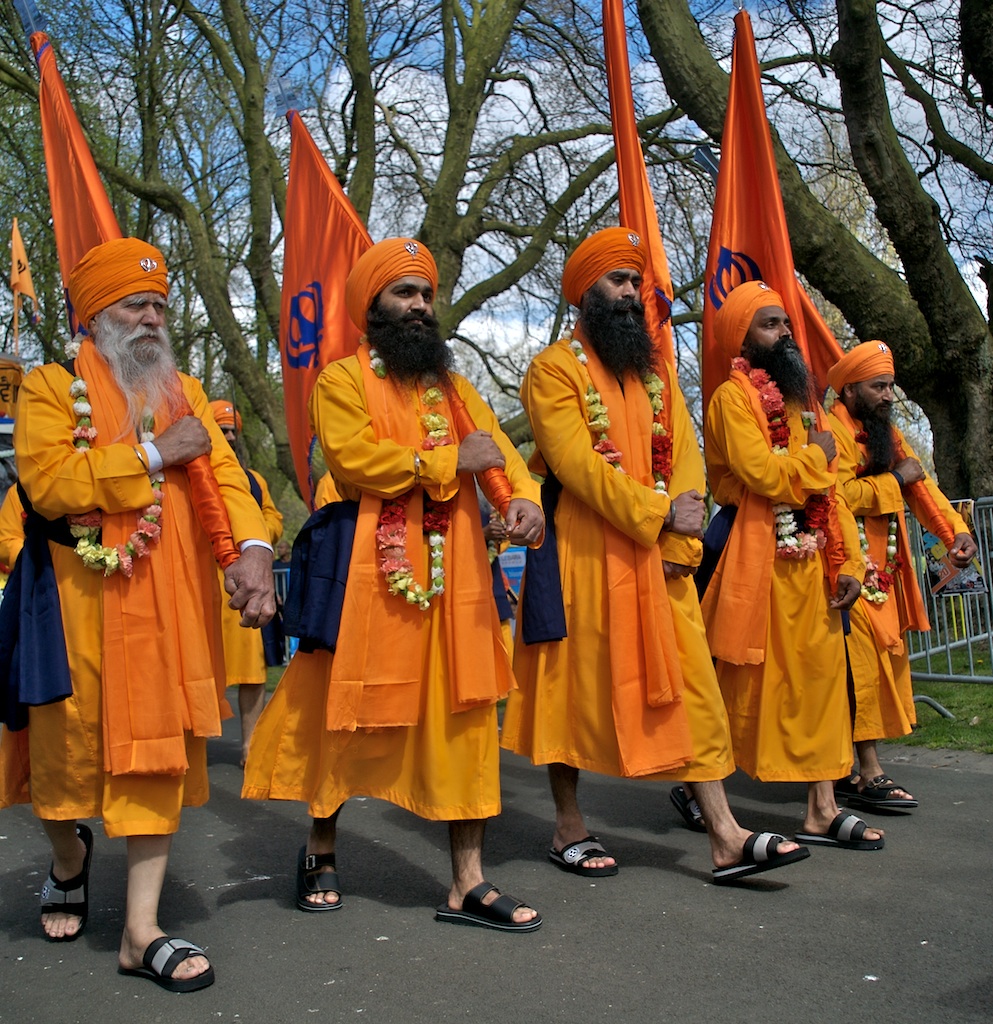
Vaisakhi, also known as Baisakhi, is celebrated on 13 or 14 April each year, marking the start of the month of Vaisakh. It is a spring harvest festival in Punjab and Northern India, and holds special significance for Sikhs as the anniversary of the birth of the Khalsa. The festival is observed with fairs, processions, and religious gatherings across India and in Punjabi communities worldwide.
- Marks the birth of the Khalsa in Sikhism
- Celebrated on 13 or 14 April each year
- Major fairs and processions in Punjab and Haridwar
- Ritual bathing in sacred rivers by Hindus
- Traditional dances like bhangra and gidda
What it is
Vaisakhi is a vibrant festival that marks both the harvest season and the solar new year in Punjab and much of Northern India. For Sikhs, it is especially meaningful as the day commemorates the founding of the Khalsa by Guru Gobind Singh in 1699, a defining moment in Sikh history. The festival is a time of joy and gratitude, with communities coming together to celebrate abundance, renewal, and shared heritage. Vaisakhi is also observed by many Hindus as a time for ritual bathing, temple visits, and giving thanks for the year’s crops.
Where it comes from
Vaisakhi’s roots stretch back to ancient times as a harvest festival, celebrated by farmers marking the completion of the rabi crop. Its significance deepened in 1699 when Guru Gobind Singh, the tenth Sikh Guru, established the Khalsa order on this day, making Vaisakhi a cornerstone of Sikh tradition. Over the centuries, the festival has also been associated with important historical events, such as the coronation of Maharaja Ranjit Singh and the Jallianwala Bagh massacre in Amritsar. The date coincides with other regional new year celebrations across the Indian subcontinent.
How it is celebrated
Celebrations of Vaisakhi are rich and varied. In Punjab, Sikhs gather at gurdwaras for prayers and kirtans, then join colourful nagar kirtan processions through the streets, often led by the Nishan Sahib flag. Community fairs, known as melas, fill towns and villages with music, dance, and food stalls. Traditional dances like bhangra and gidda are performed, and festive foods are shared. Hindus mark the day by bathing in sacred rivers, visiting temples, and making charitable offerings. In places like Haridwar, vast crowds assemble for ritual dips in the Ganges. Across regions, the festival is a time for families and friends to come together, give thanks, and celebrate the promise of a new year.



Joining in
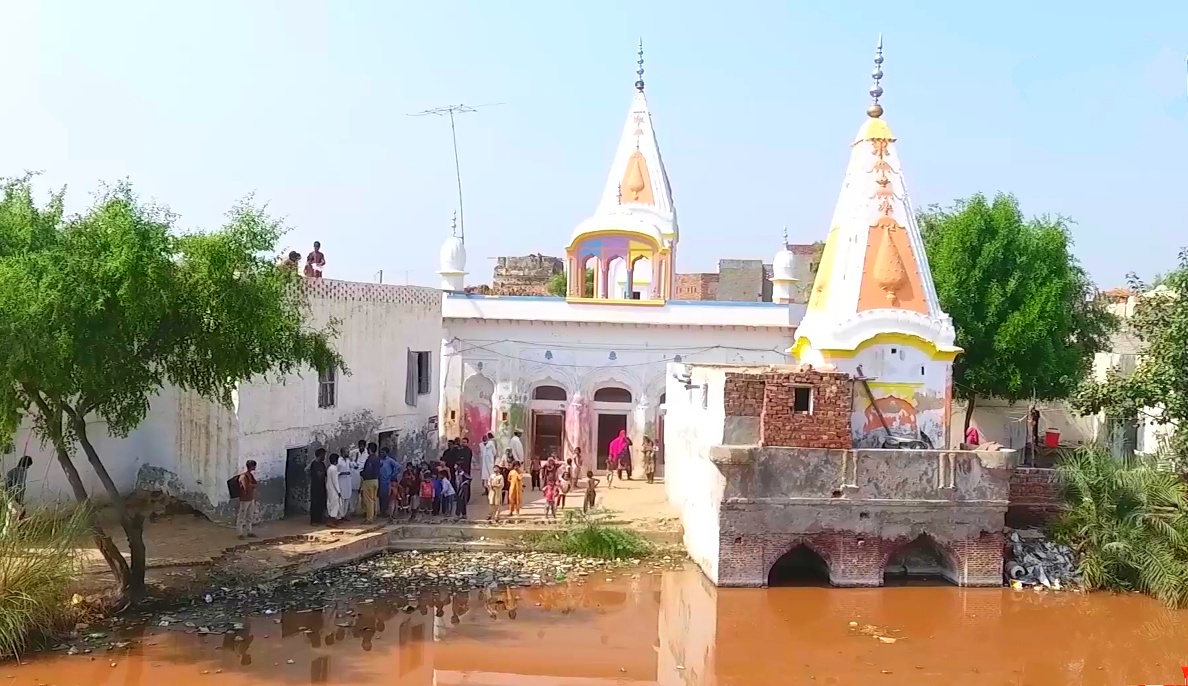
Visitors can experience Vaisakhi most vividly in Punjab, especially in cities like Amritsar and villages across the region. Expect lively processions, music, and open-hearted hospitality. At major gurdwaras, everyone is welcome to join the prayers and share in the communal meal, or langar. In Haridwar and other pilgrimage sites, you can witness the ritual bathing and bustling fairs. Dress modestly, be ready for crowds, and enjoy the festive spirit that fills the streets and homes during this special time.
Sources and attribution
This page is Mela's own summary, written in new words. Its facts are drawn from the Wikipedia article Vaisakhi, whose text is available under the CC BY-SA 4.0 licence, and from its Wikidata record (CC0). Each photo is credited to its author beside it. For the full account, read the originals below.
Read more
This page was written with AI assistance from the sources listed above, and checked automatically before publishing. Spotted a mistake? Tell us. Last refreshed 2026-10-02.
More seasonal and harvest festivals
See them all Seasonal
13Apr
Thingyan🇲🇲 Yangon, Myanmar
Seasonal
13Apr
Thingyan🇲🇲 Yangon, Myanmar
 Seasonal
13Apr
Songkran🇹🇭 Bangkok, Thailand
Seasonal
13Apr
Songkran🇹🇭 Bangkok, Thailand
 Seasonal
1Apr
Akitu🇮🇶 Emessa, Iraq and 1 more country
Seasonal
1Apr
Akitu🇮🇶 Emessa, Iraq and 1 more country
 Seasonal
Aprvaries
Sizdah Be-dar🇦🇫 Afghanistan and 4 more countries
Seasonal
Aprvaries
Sizdah Be-dar🇦🇫 Afghanistan and 4 more countries
 Seasonal
19Apr
Sechseläuten🇨🇭 Zürich, Switzerland
Seasonal
19Apr
Sechseläuten🇨🇭 Zürich, Switzerland
 Seasonal
15Apr
First Day of Summer🇮🇸 Reykjavík, Iceland
Seasonal
15Apr
First Day of Summer🇮🇸 Reykjavík, Iceland
 Seasonal
14Apr
Bohag Bihu🇮🇳 Guwahati, India
Seasonal
14Apr
Bohag Bihu🇮🇳 Guwahati, India
 Seasonal
Aprvaries
Bizhu🇧🇩 Bangladesh and 1 more country
Seasonal
Aprvaries
Bizhu🇧🇩 Bangladesh and 1 more country