
The Water Festival is a vibrant celebration marking the new year or season in many Asian countries, especially across Southeast Asia. Taking place mainly in April, it features water splashing, rituals, and community gatherings that symbolize purification, renewal, and good fortune.
- Celebrated as new year in Myanmar, Thailand, Laos, and Yunnan, China
- Water splashing symbolizes purification and good fortune
- Traditional dances, music, and offerings are central to the festival
- Festivities usually take place in mid-April
- Family reunions and honoring elders are important customs
What it is
The Water Festival is a collection of lively celebrations found across Southeast Asia and parts of China, where communities mark the arrival of the new year or a new season with water-based rituals. Water is at the heart of these festivities, symbolizing purification, blessings, and the washing away of misfortune from the previous year. Each country has its own name and traditions, but the shared act of splashing or pouring water brings people together in a spirit of joy and renewal. For many, it is a time to reconnect with family, honor elders, and participate in both spiritual and communal activities.
Where it comes from
The origins of the Water Festival trace back to ancient agricultural and religious practices, where water was revered as a source of life and renewal. In Southeast Asia, the festival aligns with the solar new year, marking the sun's movement into Aries and the end of the old year. Over time, these traditions blended with local beliefs and Theravada Buddhist customs, evolving into the modern celebrations seen today. The act of water splashing, once a gentle ritual of respect and blessing, has grown into exuberant public festivities, but its core meaning of cleansing and starting anew remains central.
How it is celebrated
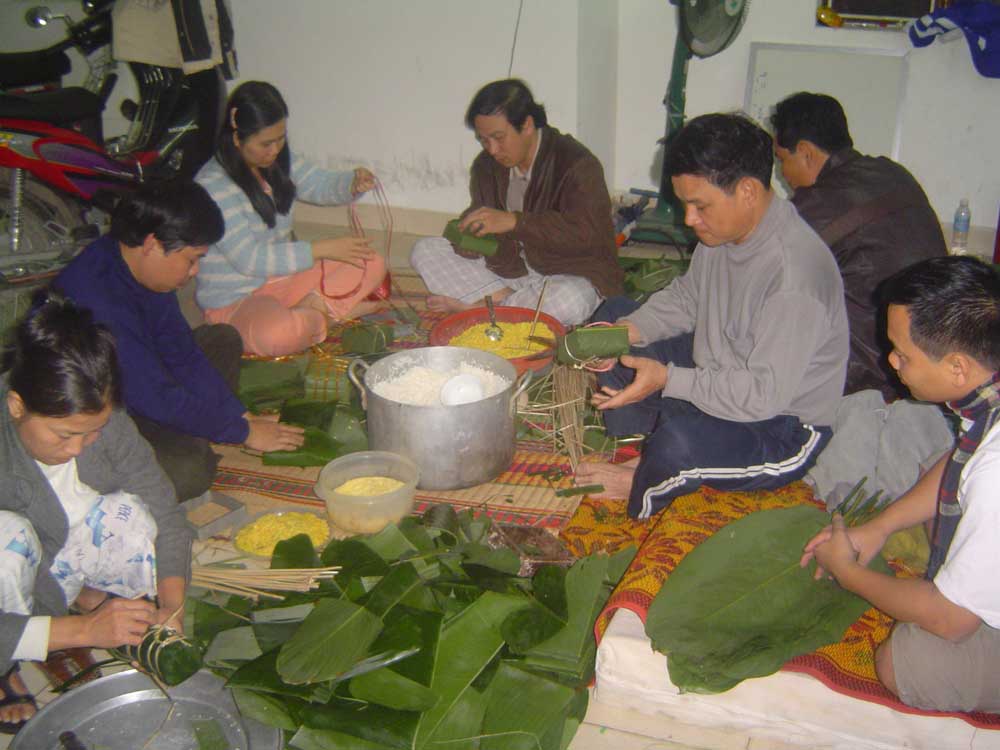
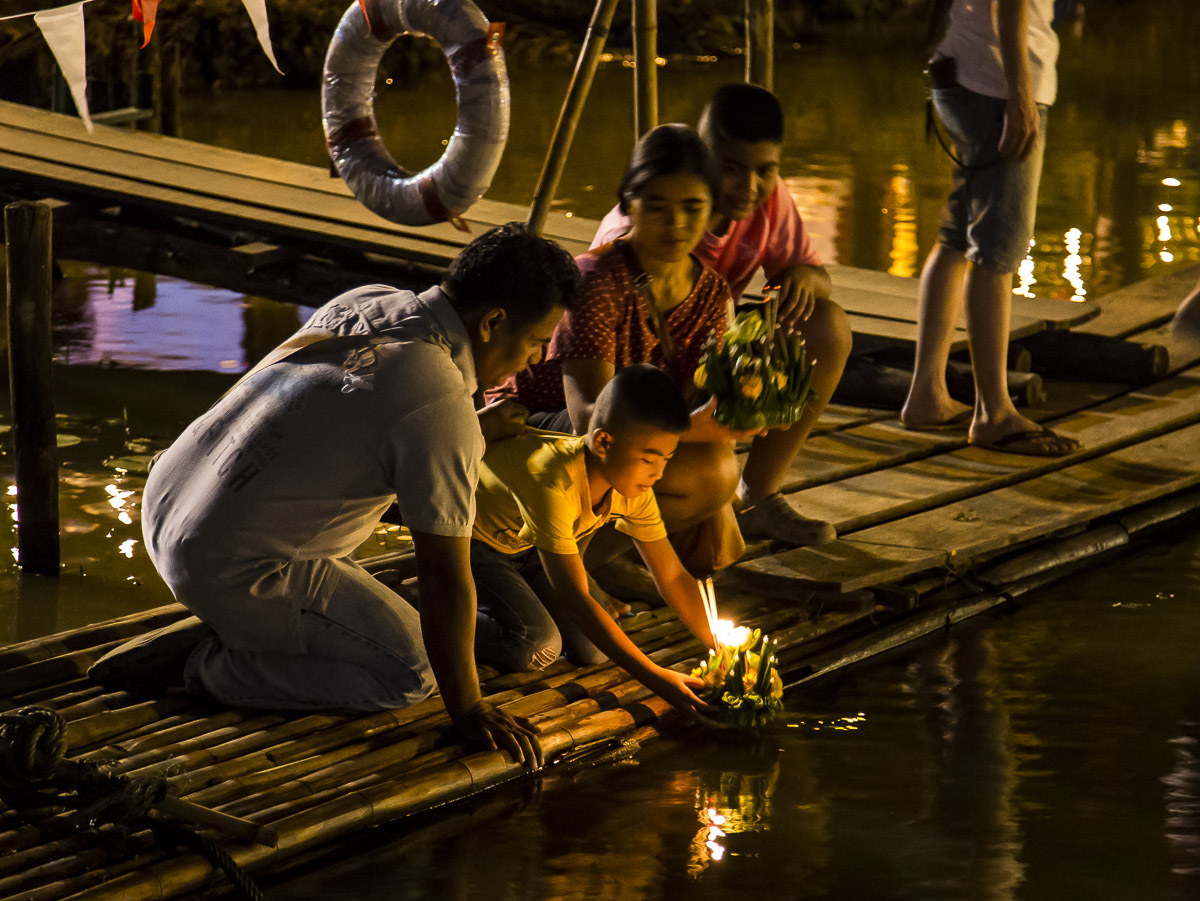
Celebrations vary by country but share common themes: in Myanmar, Thingyan is marked by building water-splashing pavilions, performing traditional dances, and making offerings at pagodas. In Thailand, Songkran includes bathing Buddha images, paying respects to elders, and joyful water fights in the streets. Laos celebrates Pi Mai with similar water rituals and cultural performances. In China's Yunnan province, the Dai people hold the Water Splashing Festival with dragon boat races, lantern floating, and a special Bathing the Buddha ceremony. Across all these places, people gather in public spaces, douse each other with water, and join in music, food, and community events, all meant to bring good luck and happiness for the year ahead.


Joining in
Visitors are welcome to join Water Festival celebrations in cities and towns across Myanmar, Thailand, Laos, and Yunnan in China, especially from April 13 to 15. Expect lively crowds, street parades, and plenty of water—be prepared to get wet. In major cities like Yangon, Bangkok, Luang Prabang, and Jinghong, festivities are especially vibrant, with cultural shows and public rituals. As a guest, it is respectful to dress modestly and participate with good humor, embracing the spirit of renewal and community that defines the festival.
Sources and attribution
This page is Mela's own summary, written in new words. Its facts are drawn from the Wikipedia article Water Festival, whose text is available under the CC BY-SA 4.0 licence, and from its Wikidata record (CC0). Each photo is credited to its author beside it. For the full account, read the originals below.
Read more
- Water Festival on WikipediaEncyclopedia
- More photos on Wikimedia CommonsPhotos
- Wikidata recordOpen data
This page was written with AI assistance from the sources listed above, and checked automatically before publishing. Spotted a mistake? Tell us. Last refreshed 2026-10-02.
 Spiritual
 Cultural
 Cultural
 Spiritual
 Cultural
 Cultural
 Cultural
 Cultural