
Bon Om Touk
Cambodia’s vibrant festival of water, moon, and dragon boat races
Bon Om Touk, or the Cambodian Water and Moon Festival, is a three-day celebration held in Cambodia, mainly in late October or November. Marking the end of the monsoon and the reversal of the Tonlé Sap River’s flow, it features dragon boat races, floating lanterns, fireworks, and moon worship ceremonies, drawing millions to Phnom Penh and beyond.
- Dragon boat races draw crowds along Phnom Penh’s Sisowath Quay
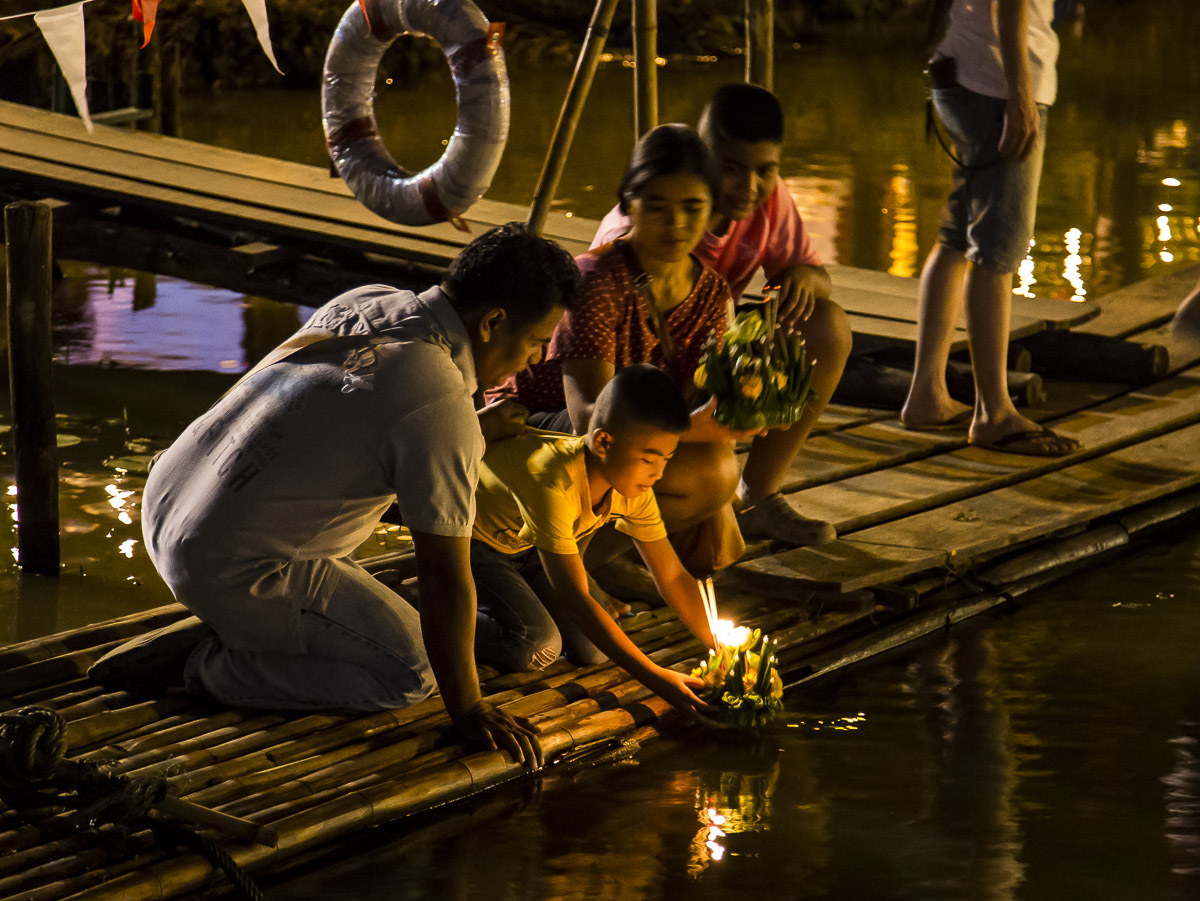
- Lanterns are floated on the river as prayers for peace and gratitude
- Og Ambok ceremony features moon worship and sharing of ambok rice
- Fireworks and concerts light up the nights during the festival
- Festival marks the reversal of the Tonlé Sap River’s flow
What it is
Bon Om Touk is Cambodia’s grandest festival, celebrated over three days to mark the end of the rainy season and the unique reversal of the Tonlé Sap River’s flow. The festival is deeply woven into Cambodian life, blending gratitude for the river’s bounty with spiritual reverence for water deities and the moon. Communities gather along riverbanks, especially in Phnom Penh, to witness vibrant dragon boat races, release illuminated lanterns, and take part in rituals that express thanks for prosperity and good fortune. For many Cambodians, Bon Om Touk is a time to honor nature’s gifts and reconnect with ancient traditions.
Where it comes from
The roots of Bon Om Touk stretch back centuries, with records suggesting boat races were held as early as the reign of Jayavarman VII in 1181 AD, commemorating naval victories and the importance of waterways to the Khmer Empire. The festival’s ceremonies also reflect Hindu and Buddhist influences, particularly in the veneration of the water goddess Preah Mae Kongkea, derived from the Hindu Ganga. Over time, the festival evolved to include moon worship and lantern floating, symbolizing gratitude for water and the cycles of nature. Despite interruptions during periods of conflict, Bon Om Touk remains a cherished national tradition.
How it is celebrated
Celebrations begin with the Royal Boat Race, where ornately painted dragon boats, often with dancers on the bow, compete along Phnom Penh’s Sisowath Quay. Each boat is believed to have a spirit, and the races are both a test of skill and a tribute to the river. As night falls, ministries and communities release large, illuminated lanterns onto the water, accompanied by prayers for peace and prosperity. Fireworks light up the sky, and concerts fill the air with music. On the second night, the Og Ambok ceremony honors the moon with midnight rituals, laughter-filled games, and the sharing of ambok (flattened rice) with bananas. The final day sees a ceremonial ribbon cutting, closing the festival with gratitude and hope.


Joining in
Visitors to Bon Om Touk will find Phnom Penh at its liveliest, with crowds lining the riverfront to watch the boat races and evening festivities. The atmosphere is festive and welcoming, with food stalls, music, and a sense of shared excitement. Lanterns floating on the river and fireworks overhead create a magical scene after dark. While the main events are in the capital, celebrations also take place in towns along the Tonlé Sap and Mekong rivers. Travellers should expect large crowds, vibrant street life, and a unique opportunity to experience Cambodia’s communal spirit.
Sources and attribution
This page is Mela's own summary, written in new words. Its facts are drawn from the Wikipedia article Bon Om Touk, whose text is available under the CC BY-SA 4.0 licence, and from its Wikidata record (CC0). Each photo is credited to its author beside it. For the full account, read the originals below.
Read more
This page was written with AI assistance from the sources listed above, and checked automatically before publishing. Spotted a mistake? Tell us. Last refreshed 2026-10-02.
 Spiritual
 Cultural
 Cultural
 Spiritual
 Cultural
 Cultural
 Cultural
 Cultural