
Bastille Day
France’s national day marking revolution and unity, celebrated each 14 July.
Bastille Day is France’s national day, observed every 14 July across the country. It commemorates the Storming of the Bastille in 1789 and the unity of the French people, with grand celebrations including military parades, fireworks, and public festivities, especially in Paris.
- Military parade on the Champs-Élysées in Paris
- Fireworks light up the Eiffel Tower
- Celebrates the 1789 Storming of the Bastille
- Public dances and concerts across France
- A symbol of French unity and liberty
What it is
Bastille Day, known in France as le 14 juillet or la Fête nationale, is the country’s national day. It commemorates two pivotal events: the Storming of the Bastille prison in 1789, which marked a turning point in the French Revolution, and the Fête de la Fédération in 1790, a celebration of national unity. For the French, this day is both a remembrance of their revolutionary heritage and a joyful affirmation of the values of liberty, equality, and fraternity. The day is filled with pride, reflection, and a sense of shared identity.
Where it comes from
The origins of Bastille Day lie in the turbulent days of July 1789, when Parisians stormed the Bastille fortress, a symbol of royal authority, igniting the French Revolution. The following year, the Fête de la Fédération was held to celebrate the unity of the French people and the new constitutional order. The modern holiday was officially established in 1880, after the Third Republic sought a date that would honor both revolutionary change and national reconciliation. Since then, 14 July has stood as a symbol of the French Republic and its enduring ideals.
How it is celebrated
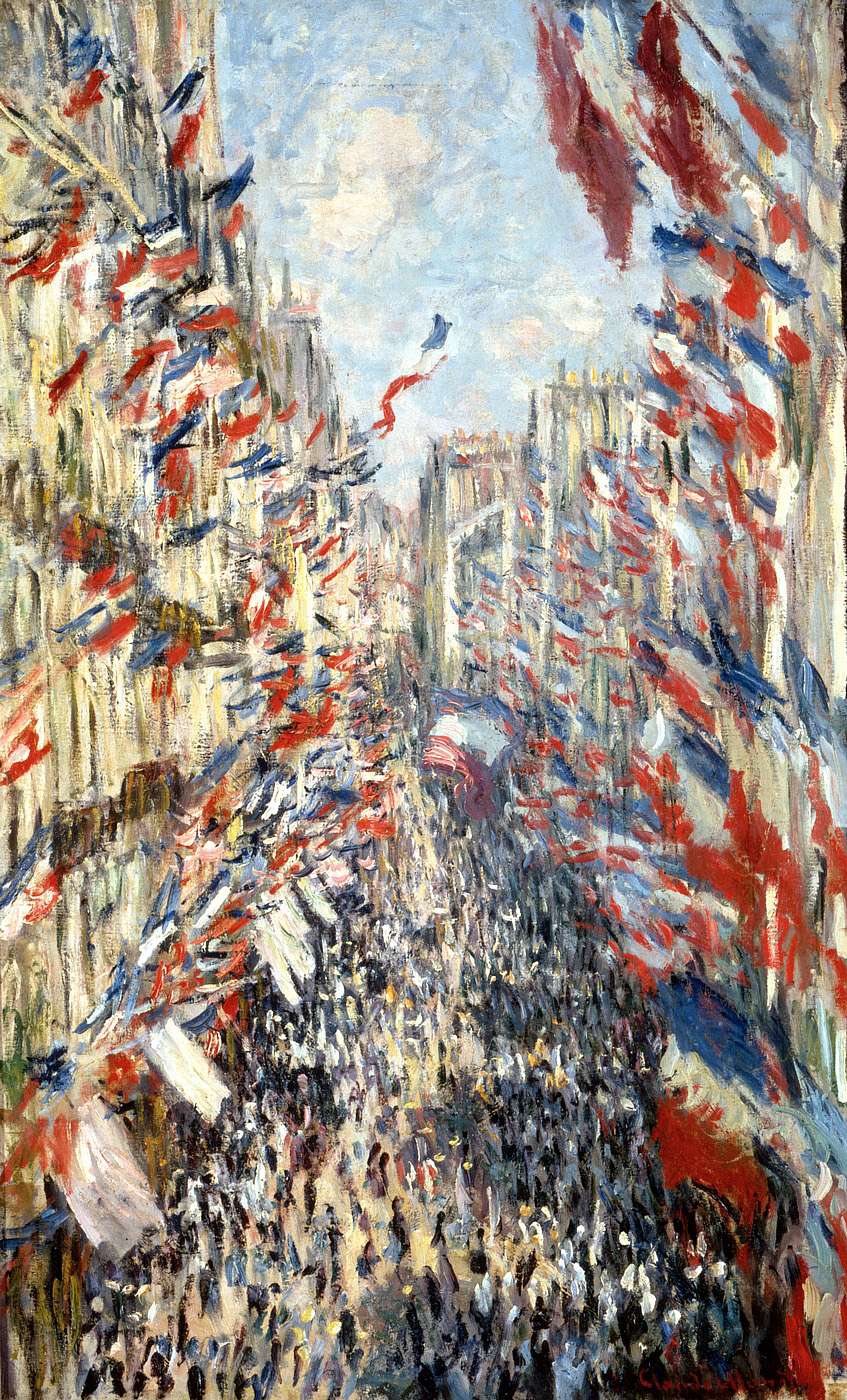
Celebrations take place throughout France, with the most famous event being the military parade on the Champs-Élysées in Paris, attended by the President and other dignitaries. This parade, broadcast nationwide, is the oldest and largest regular military parade in Europe. Across cities and villages, people gather for fireworks displays, concerts, communal meals, and public dances known as bals. The festive atmosphere is marked by tricolor flags, music, and a strong sense of community. Many enjoy picnics, street parties, and local traditions, making the day both solemn and exuberant.



Joining in
Visitors in Paris can witness the grand military parade along the Champs-Élysées and enjoy spectacular fireworks by the Eiffel Tower. Throughout France, towns and cities host their own festivities, often with free concerts, open-air dances, and lively gatherings in public squares. Expect large crowds, especially in central Paris, and a welcoming, festive spirit. Arriving early for major events is recommended, and joining in local celebrations offers a chance to experience French national pride firsthand.
Sources and attribution
This page is Mela's own summary, written in new words. Its facts are drawn from the Wikipedia article Bastille Day, whose text is available under the CC BY-SA 4.0 licence, and from its Wikidata record (CC0). Each photo is credited to its author beside it. For the full account, read the originals below.
Read more
- Bastille Day on WikipediaEncyclopedia
- Encyclopaedia BritannicaArticle
- More photos on Wikimedia CommonsPhotos
- Wikidata recordOpen data
This page was written with AI assistance from the sources listed above, and checked automatically before publishing. Spotted a mistake? Tell us. Last refreshed 2026-10-02.
More national and civic days
See them all National days
4Jul
Independence Day🇺🇸 New York City, United States
National days
4Jul
Independence Day🇺🇸 New York City, United States
 National days
1Jul
Canada Day🇨🇦 Ottawa, Canada
National days
1Jul
Canada Day🇨🇦 Ottawa, Canada
 National days
19Jul
Marine Day🇯🇵 Hayama, Japan
National days
19Jul
Marine Day🇯🇵 Hayama, Japan
 National days
21Jul
Belgian National Day🇧🇪 Brussels, Belgium
National days
21Jul
Belgian National Day🇧🇪 Brussels, Belgium
 National days
3Jul
Independence Day (Belarus)🇧🇾 Minsk, Belarus
National days
3Jul
Independence Day (Belarus)🇧🇾 Minsk, Belarus
 National days
25Jul
National Day of Galicia🇪🇸 Santiago de Compostela, Spain
National days
25Jul
National Day of Galicia🇪🇸 Santiago de Compostela, Spain
 National days
5Jul
Independence Day (Algeria)🇩🇿 Algiers, Algeria
National days
5Jul
Independence Day (Algeria)🇩🇿 Algiers, Algeria
 National days
1Jul
Madeira Day🇵🇹 Portugal
National days
1Jul
Madeira Day🇵🇹 Portugal