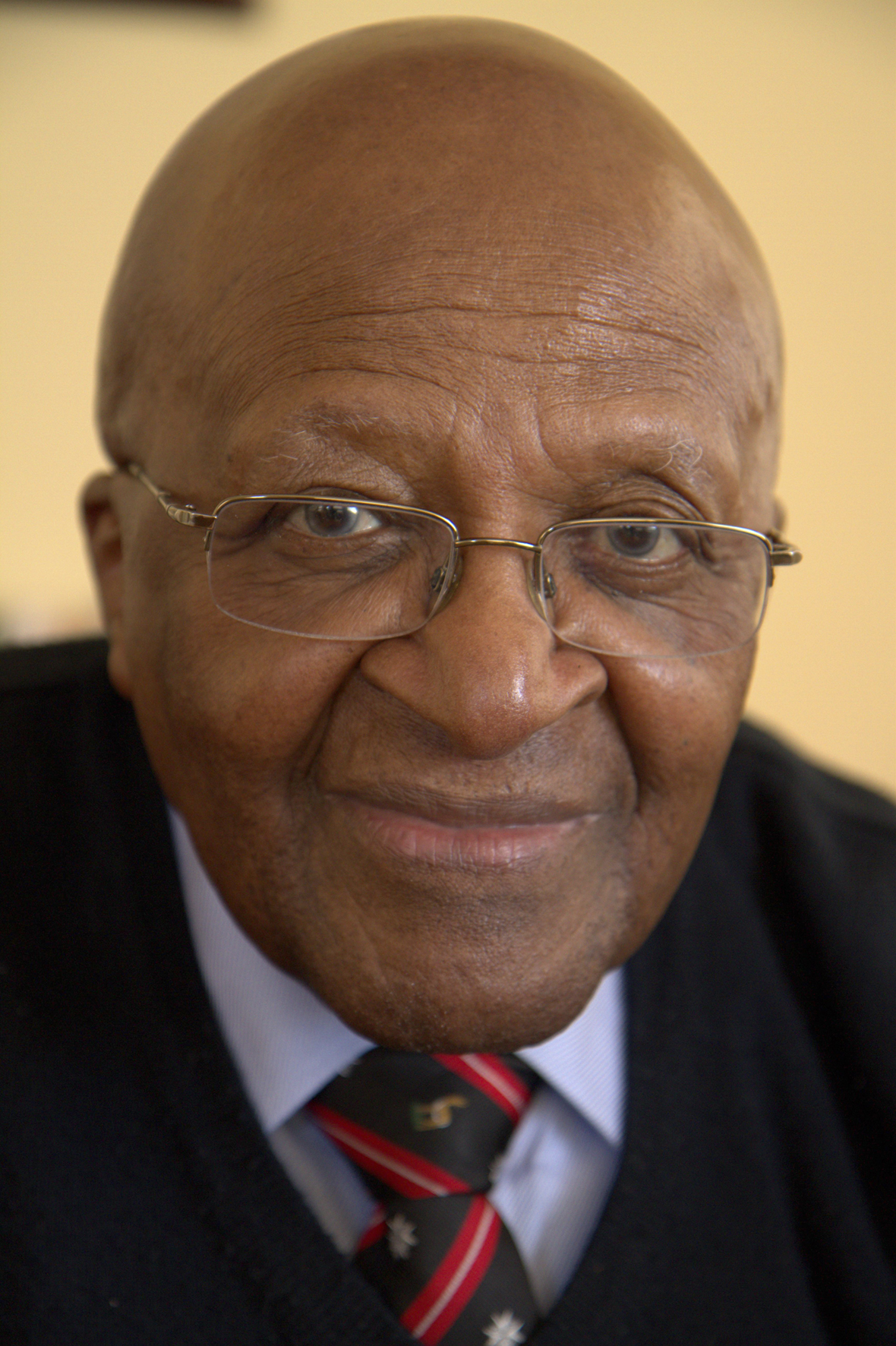
Day of Reconciliation
A day for healing and unity across South Africa’s diverse communities
Observed every year on 16 December, the Day of Reconciliation is a national holiday in South Africa. First held in 1995 after apartheid ended, its purpose is to encourage unity and bridge divides among the nation’s people.
- Held on 16 December each year throughout South Africa
- Established in 1995 to promote national unity
- Date chosen for its significance to multiple communities
- Annual themes highlight social issues and reconciliation
- Commemorations include parades, memorials, and cultural events
What it is
The Day of Reconciliation brings South Africans together to reflect on their shared past and look toward a more unified future. Created to address wounds left by decades of division, the day is meant to inspire mutual respect and social harmony among the country’s varied communities. Activities on this day often highlight both the struggles and achievements that have shaped modern South Africa. The holiday encourages citizens to recognize their differences while working together for a better, more inclusive society.
Where it comes from
December 16 holds deep meaning for various groups in South Africa. For many Afrikaners, it was once marked as the Day of the Vow, a day of religious thanksgiving recalling the Voortrekkers’ military success at Blood River in 1838. Meanwhile, for black and indigenous South Africans, the date is remembered for historic protests against discriminatory laws and for the formation of Umkhonto we Sizwe, the African National Congress’s armed wing, in 1961. After apartheid, leaders like Nelson Mandela and the Truth and Reconciliation Commission chose this date to represent the hopes of all South Africans, transforming it into a symbol of national healing.
How it is celebrated
Commemorations on the Day of Reconciliation take many forms across the country. People attend parades, remembrance events, and ceremonies that honor those who contributed to the nation’s journey toward democracy. Tributes are paid to veterans and community leaders, and memorial walks are held in honor of figures like Nelson Mandela. Each year, a different theme guides the day’s activities, often focusing on social cohesion or the celebration of South Africa’s diverse cultures. The holiday also recognizes the contributions of minority groups and aims to promote equality and mutual understanding. In recent years, public speeches, unveiling of statues, and remembrance of historic events have all played a part in the observance.
Joining in
Visitors in South Africa on 16 December will find celebrations and gatherings in cities and towns throughout the country. Major events often take place in Pretoria, especially at landmarks such as the Union Buildings and Freedom Park. Expect to see cultural displays, public speeches, and community festivals focused on reconciliation. Traveling during this time offers a chance to witness a nation reflecting on its past while looking to the future, with most activities open to both locals and guests.
Sources and attribution
This page is Mela's own summary, written in new words. Its facts are drawn from the Wikipedia article Day of Reconciliation, whose text is available under the CC BY-SA 4.0 licence, and from its Wikidata record (CC0). Each photo is credited to its author beside it. For the full account, read the originals below.
Read more
- Day of Reconciliation on WikipediaEncyclopedia
- Encyclopaedia BritannicaArticle
- Wikidata recordOpen data
This page was written with AI assistance from the sources listed above, and checked automatically before publishing. Spotted a mistake? Tell us. Last refreshed 2026-10-03.
More from South Africa
All festivals in South Africa Sports
Marvaries
Indian Premier League🇮🇳 India and 6 more countries
Sports
Marvaries
Indian Premier League🇮🇳 India and 6 more countries
 National days
10Dec
Human Rights Day🇰🇮 Kiribati and 1 more countryIn 10 weeks
National days
10Dec
Human Rights Day🇰🇮 Kiribati and 1 more countryIn 10 weeks
 Cultural
Augvaries
Umhlanga (Reed Dance)🇧🇼 Ludzidzini Royal Village, Botswana and 2 more countries
Cultural
Augvaries
Umhlanga (Reed Dance)🇧🇼 Ludzidzini Royal Village, Botswana and 2 more countries
 Sports
Aprvaries
World Snooker Championship🇬🇧 United Kingdom and 5 more countries
Sports
Aprvaries
World Snooker Championship🇬🇧 United Kingdom and 5 more countries
 National days
 National days
 National days
 National days