
Hogmanay is Scotland’s traditional celebration of New Year’s Eve, held on 31 December and often continuing into New Year’s Day. Marked by gatherings, gift-giving, and unique customs like 'first-footing', it is a time for reflection, festivity, and wishing good fortune for the year ahead.
- First-footing brings luck for the new year
- Gift-giving and visiting neighbours are central customs
- Fireworks and late-night parties mark the occasion
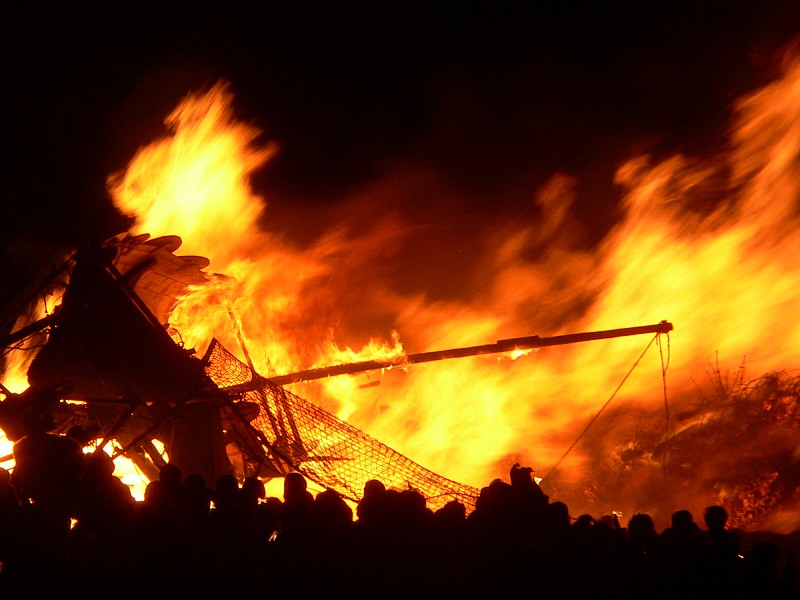
- Stonehaven hosts a dramatic fireball swinging parade
- Celebrations can extend into 1 and 2 January
What it is
Hogmanay is the Scottish celebration of the last day of the year, a time when communities come together to mark the turning of the calendar with warmth, hospitality, and lively gatherings. For many Scots, Hogmanay is more significant than Christmas, rooted in centuries-old traditions that blend reflection on the past year with hope for the future. The festival is known for its emphasis on visiting friends and neighbours, exchanging gifts, and sharing food and drink. It is a moment to strengthen bonds, welcome luck, and set a joyful tone for the year to come.
Where it comes from
The origins of Hogmanay are layered and complex, drawing from Norse winter solstice celebrations, Gaelic customs like Samhain, and possibly French, Norse, or Gaelic linguistic roots. The Vikings’ Yule festivities and the 'Daft Days' of midwinter influenced the Scottish New Year, especially after the Protestant Reformation, when Christmas was downplayed in Scotland. Over time, Hogmanay became the main winter celebration, with customs evolving across regions and centuries. The first recorded mention of the word dates back to the 15th century, and its traditions have been shaped by both local and wider European influences.
How it is celebrated
Hogmanay is celebrated with a mix of national and local customs. The most widespread is 'first-footing', where the first person to enter a home after midnight brings symbolic gifts—such as coal, shortbread, whisky, or black bun—to ensure good luck for the household. Family gatherings, feasting, and late-night parties are common, often accompanied by fireworks and countdowns to midnight. In some towns, unique traditions take place, such as the fireball swinging in Stonehaven, where locals parade through the streets with blazing orbs to mark the new year. Across Scotland, people may attend watchnight services, dance, and exchange well-wishes, with celebrations sometimes continuing into 1 or even 2 January.


Joining in
Visitors to Scotland during Hogmanay can expect a festive atmosphere, especially in cities like Edinburgh, where large public events, fireworks, and street parties are held. Smaller towns and villages often have their own distinctive customs, and guests may be invited to join in first-footing or share in traditional foods and drinks. It’s a time of open doors and warm welcomes, but also of deep-rooted rituals—so newcomers should be ready for late nights, lively gatherings, and a strong sense of community spirit.
Sources and attribution
This page is Mela's own summary, written in new words. Its facts are drawn from the Wikipedia article Hogmanay, whose text is available under the CC BY-SA 4.0 licence, and from its Wikidata record (CC0). Each photo is credited to its author beside it. For the full account, read the originals below.
Read more
- Hogmanay on WikipediaEncyclopedia
- Encyclopaedia BritannicaArticle
- More photos on Wikimedia CommonsPhotos
- Wikidata recordOpen data
This page was written with AI assistance from the sources listed above, and checked automatically before publishing. Spotted a mistake? Tell us. Last refreshed 2026-10-02.
 Sports
 Sports
 Spiritual
 Sports
 National days
 National days
 National days
 National days