
Feast of the Annunciation
Commemorating the angel Gabriel's message to Mary in Nazareth
The Feast of the Annunciation is a Christian celebration marking the archangel Gabriel’s announcement to Mary that she would give birth to Jesus. Observed on 25 March by many Christian traditions, it is especially significant in countries like Lebanon and is one of the twelve Great Feasts in the Orthodox Church.
- Celebrated on 25 March in most Christian traditions
- Marks the angel Gabriel's message to Mary in Nazareth
- A national holiday in Lebanon
- One of the twelve Great Feasts in the Orthodox Church
- Central theme in Christian art since early Christianity
What it is
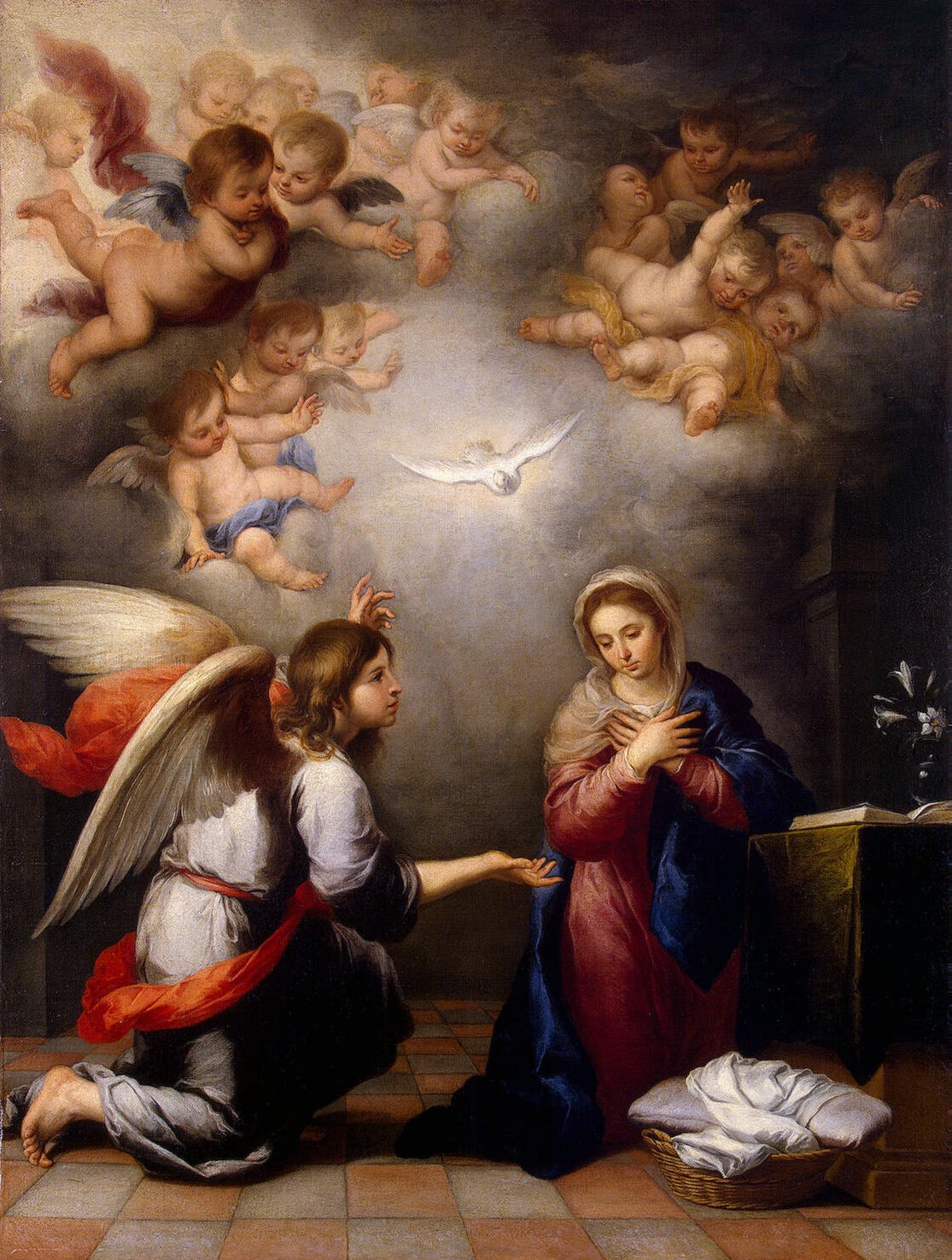
The Feast of the Annunciation commemorates the moment when, according to Christian belief, the archangel Gabriel appeared to Mary in Nazareth and told her she would become the mother of Jesus, the Messiah. This event is seen as the beginning of the Incarnation and is deeply meaningful for Christians, who view it as a sign of divine grace and the fulfillment of prophecy. The day is honored in both Western and Eastern Christian traditions, reflecting its importance in the liturgical calendar and in the spiritual lives of believers.
Where it comes from
The celebration of the Annunciation dates back to at least the 7th century, with early mentions in church councils such as the 656 Council of Toledo. The date, 25 March, was chosen as it is nine months before Christmas and was once considered the start of the new year in parts of Europe. The feast is rooted in the Gospel of Luke, which describes the angel Gabriel’s visit to Mary, and has been a key theme in Christian theology and art. Over centuries, it has become a central observance in both Catholic and Orthodox traditions.
How it is celebrated
On the Feast of the Annunciation, churches hold special liturgies and prayers, with the Divine Liturgy of John Chrysostom celebrated in Orthodox communities even if the date coincides with other major observances. Hymns specific to the day are sung, some tracing back to early Christian writers like Athanasius of Alexandria. In Lebanon, the day is a national holiday, and in Orthodox countries, it is one of the most significant feasts of the year. The event is also marked by artistic depictions, with scenes of Gabriel and Mary appearing in churches and homes. The faithful may attend services, reflect on the meaning of Mary's acceptance, and recite prayers such as the Hail Mary, which draws from Gabriel’s greeting.



Joining in
Visitors can experience the Feast of the Annunciation in churches across Lebanon, Syria, and many other countries with Christian communities. In Orthodox and Catholic churches, expect to find special services, processions, and hymns. The mood is reverent and joyful, with congregations gathering to mark the announcement that changed the course of Christian history. In Lebanon, the day is also a public holiday, and the atmosphere in towns and cities reflects its significance. Attending a local church service is a meaningful way to witness the traditions and spiritual depth of the celebration.
Sources and attribution
This page is Mela's own summary, written in new words. Its facts are drawn from the Wikipedia article Annunciation, whose text is available under the CC BY-SA 4.0 licence, and from its Wikidata record (CC0). Each photo is credited to its author beside it. For the full account, read the originals below.
Read more
- Annunciation on WikipediaEncyclopedia
- Encyclopaedia BritannicaArticle
- More photos on Wikimedia CommonsPhotos
- Wikidata recordOpen data
This page was written with AI assistance from the sources listed above, and checked automatically before publishing. Spotted a mistake? Tell us. Last refreshed 2026-10-02.
 Arts and film
 Sports
 Spiritual
 Sports
 Spiritual
 Spiritual
 Spiritual
 Spiritual