
Good Friday is a significant Christian observance that remembers the crucifixion and death of Jesus Christ. It takes place on the Friday before Easter and is marked by solemn rituals, fasting, and special church services in many countries around the world.
- Observed by Catholics, Orthodox, Protestants, and other Christian groups
- Falls on the Friday before Easter Sunday each year
- Marked by fasting, prayer, and church services
- Many countries treat it as a public holiday
- Eastern Orthodox Christians call it Great and Holy Friday
What it is
Good Friday stands as one of the most solemn days in the Christian calendar, dedicated to recalling the suffering and death of Jesus at Calvary. Observed near the end of Holy Week, it invites Christians everywhere to reflect on sacrifice, forgiveness, and the meaning of redemption. Many believers treat this day with reverence, seeing it as a time for contemplation, prayer, and remembering the profound events that led to Easter Sunday. Its observance unites various Christian traditions in a shared moment of mourning and hope.
Where it comes from
The name 'Good Friday' comes from an old meaning of the word 'good,' signifying something holy or sacred. The events commemorated on this day are rooted in the biblical account of Jesus’ arrest, trial, and crucifixion in Jerusalem. Accounts from the Gospels describe how Jesus was betrayed, judged, and ultimately executed by crucifixion under Roman authority. These stories have shaped the way Christians remember and mark this day, passing down rituals and customs through centuries and across continents.
How it is celebrated
Good Friday is marked by a spirit of mourning and reflection. In many churches, believers gather for worship, prayer, and readings that recount the final hours of Jesus’ life. In Catholic, Anglican, Lutheran, and Methodist communities, a lengthy service often takes place from noon until mid-afternoon, echoing the hours Jesus hung on the cross. Some traditions include walking the Stations of the Cross, a series of prayers and meditations on Christ’s journey to Calvary. Fasting and acts of charity are common, and some communities observe unique customs, such as tending to graves in Moravian cemeteries. In Eastern Orthodox churches, black vestments and somber hymns set the tone, with no Divine Liturgy performed unless another major feast coincides with the day.


Joining in
If you wish to experience Good Friday as a visitor, you will find observances in churches across countries like Australia, Germany, the Philippines, Malta, and many others. Expect a quiet, respectful atmosphere, with services focused on prayer, scripture, and reflection. Some places may have processions or community events, but most activities center around the church. Dress modestly and be prepared for a subdued mood, as this day is considered one of the most serious in the Christian year.
Sources and attribution
This page is Mela's own summary, written in new words. Its facts are drawn from the Wikipedia article Good Friday, whose text is available under the CC BY-SA 4.0 licence, and from its Wikidata record (CC0). Each photo is credited to its author beside it. For the full account, read the originals below.
Read more
- Good Friday on WikipediaEncyclopedia
- Encyclopaedia BritannicaArticle
- More photos on Wikimedia CommonsPhotos
- Wikidata recordOpen data
This page was written with AI assistance from the sources listed above, and checked automatically before publishing. Spotted a mistake? Tell us. Last refreshed 2026-10-03.
More spiritual festivals
See them all Spiritual
Marvaries
Easter🇦🇺 Australia and 29 more countries
Spiritual
Marvaries
Easter🇦🇺 Australia and 29 more countries
 Spiritual
9Mar
Eid al-Fitr🇦🇫 Afghanistan and 35 more countries
Spiritual
9Mar
Eid al-Fitr🇦🇫 Afghanistan and 35 more countries
 Spiritual
21Mar
Palm Sunday🇦🇺 Australia and 27 more countries
Spiritual
21Mar
Palm Sunday🇦🇺 Australia and 27 more countries
 Spiritual
21Mar
Holy Week🇧🇷 Brazil and 20 more countries
Spiritual
21Mar
Holy Week🇧🇷 Brazil and 20 more countries
 Spiritual
25Mar
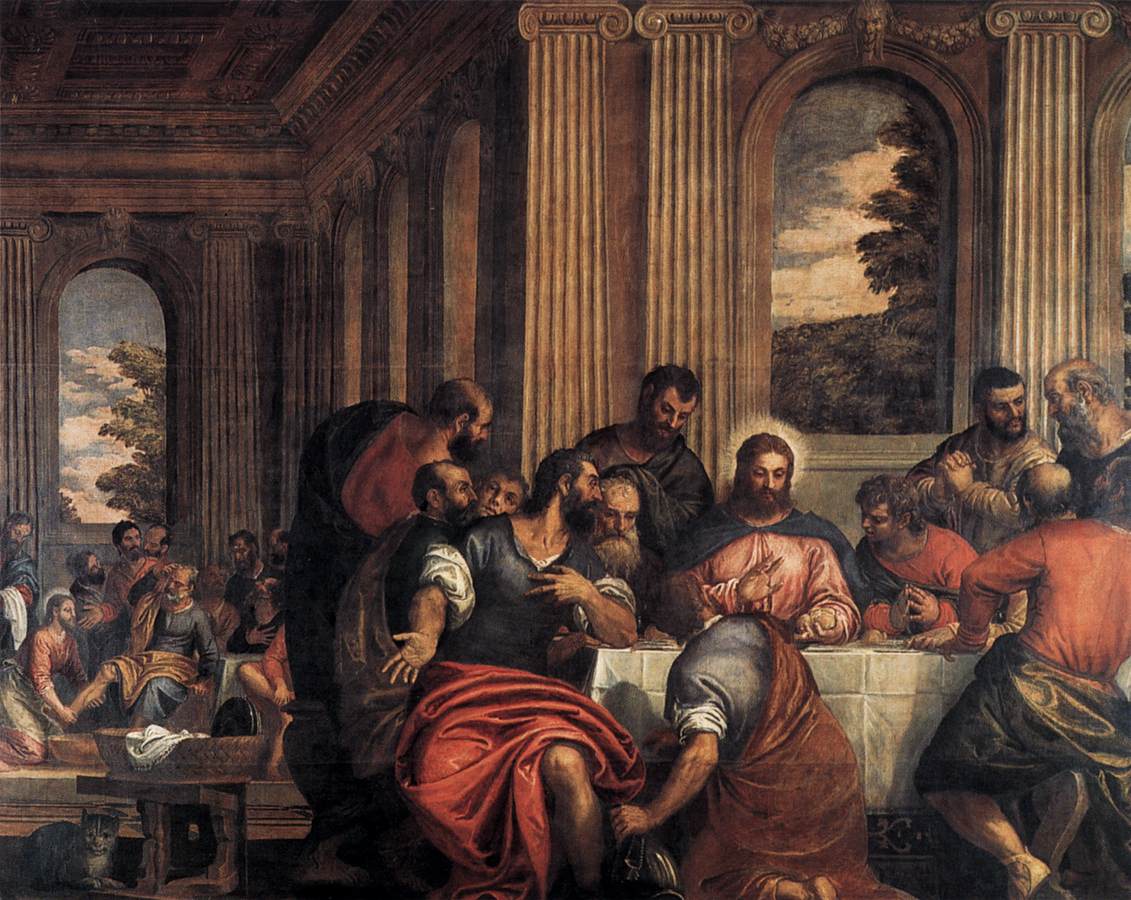
Maundy Thursday🇦🇷 Argentina and 29 more countries
Spiritual
25Mar
Maundy Thursday🇦🇷 Argentina and 29 more countries
 Spiritual
Marvaries
Holi🇮🇳 India and 11 more countries
Spiritual
Marvaries
Holi🇮🇳 India and 11 more countries
 Spiritual
17Mar
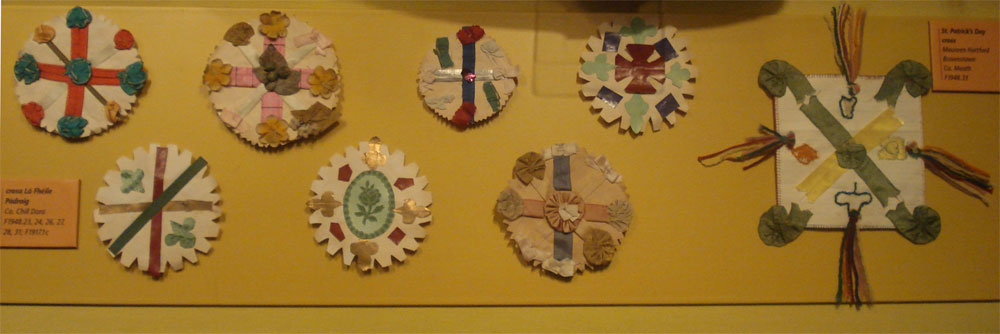
Saint Patrick's Day🇦🇷 Argentina and 22 more countries
Spiritual
17Mar
Saint Patrick's Day🇦🇷 Argentina and 22 more countries
 Spiritual
25Mar
Feast of the Annunciation🇫🇷 France and 5 more countries
Spiritual
25Mar
Feast of the Annunciation🇫🇷 France and 5 more countries