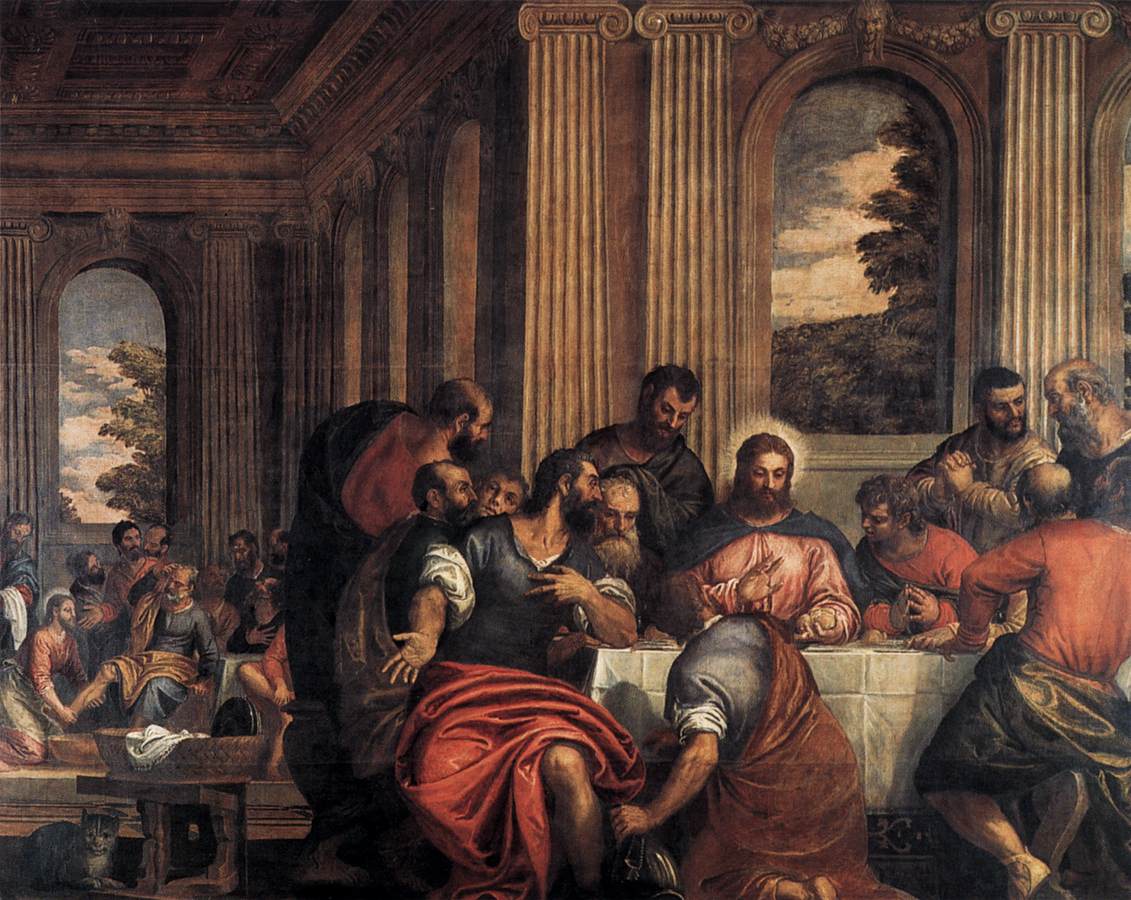
Maundy Thursday, also known as Holy Thursday, is a Christian observance during Holy Week that commemorates the Last Supper of Jesus Christ with his Apostles and the ritual of foot washing. It is celebrated by Christians worldwide on the Thursday before Easter, marking the start of the Paschal Triduum.
- Commemorates the Last Supper and Jesus' washing of the Apostles' feet
- Marks the start of the Paschal Triduum in Holy Week
- Royal Maundy coins are distributed by the UK monarch
- Observed with foot washing and Holy Communion in many churches
- The altar is stripped bare at the end of the service
What it is
Maundy Thursday is a deeply significant day for Christians, marking the beginning of the Paschal Triduum—the three most sacred days leading up to Easter. The day recalls the Last Supper, when Jesus shared a meal with his Apostles and washed their feet, teaching humility and love. The name 'Maundy' comes from the Latin 'mandatum', meaning 'commandment', reflecting Jesus' instruction to 'love one another as I have loved you.' Across denominations, the day is a time to remember Jesus' example of service and the institution of the Eucharist.
Where it comes from
The origins of Maundy Thursday are rooted in the events described in the canonical Gospels, where Jesus gathers his Apostles for a final meal before his crucifixion. The ritual of foot washing, known as the Maundy, is linked to Jesus' act of humility and his new commandment to love. The English name 'Maundy' is derived from the Latin 'mandatum', referencing this commandment. Over centuries, the day has been marked by both liturgical services and acts of charity, such as the distribution of Maundy money by English monarchs, a tradition dating back to the Middle Ages.
How it is celebrated
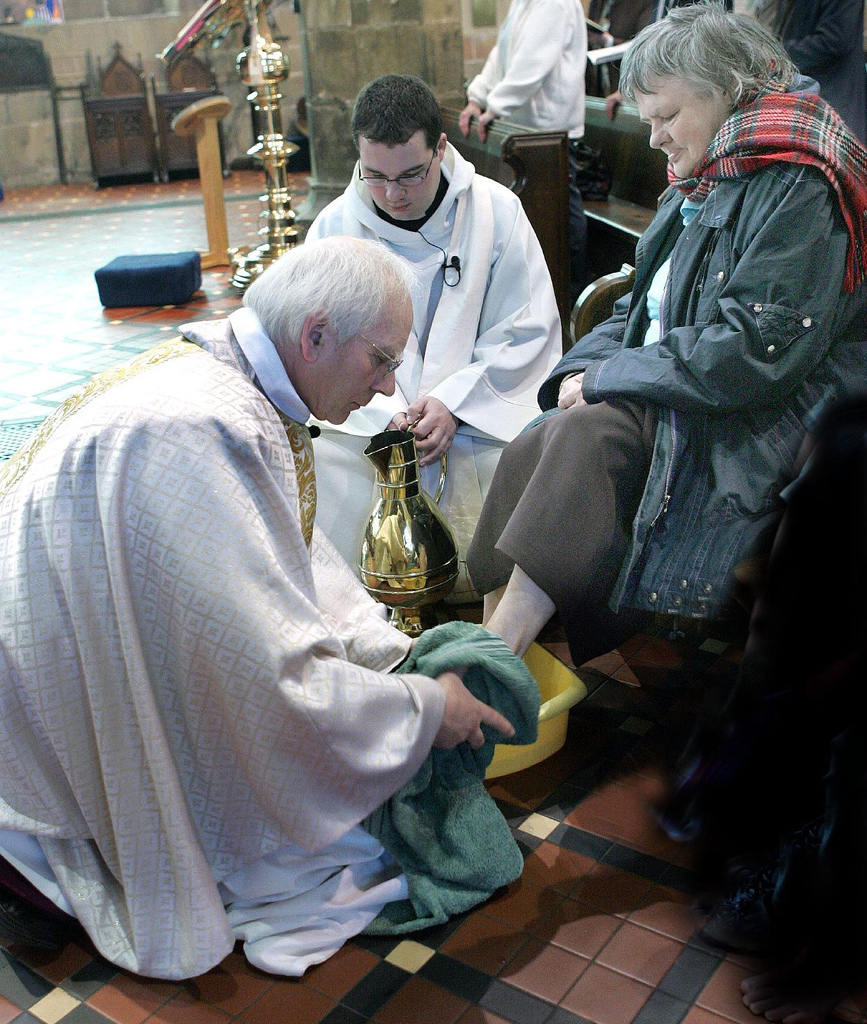
Celebrations of Maundy Thursday vary but often include the Mass of the Lord's Supper, where Christians gather in the evening to recall the Last Supper and the institution of Holy Communion. Many churches perform the washing of feet, with clergy washing the feet of parishioners to echo Jesus' gesture of service. In the United Kingdom, the Royal Maundy service sees the monarch distribute special Maundy coins to selected senior citizens. The altar is stripped bare at the end of the service, symbolizing Jesus' abandonment before his crucifixion. In some traditions, the Chrism Mass is held in the morning, where holy oils are blessed and clergy renew their vows.


Joining in
Visitors are welcome to attend Maundy Thursday services in churches across the world, from grand cathedrals in the United Kingdom to local parishes in the Philippines, Ethiopia, and beyond. Expect a reflective atmosphere, with rituals such as foot washing, Holy Communion, and the stripping of the altar. In some places, you may witness unique local customs or, in the UK, the Royal Maundy ceremony if you are fortunate. It is a time for contemplation, community, and experiencing traditions that connect believers across cultures.
Sources and attribution
This page is Mela's own summary, written in new words. Its facts are drawn from the Wikipedia article Maundy Thursday, whose text is available under the CC BY-SA 4.0 licence, and from its Wikidata record (CC0). Each photo is credited to its author beside it. For the full account, read the originals below.
Read more
- Maundy Thursday on WikipediaEncyclopedia
- Encyclopaedia BritannicaArticle
- More photos on Wikimedia CommonsPhotos
- Wikidata recordOpen data
This page was written with AI assistance from the sources listed above, and checked automatically before publishing. Spotted a mistake? Tell us. Last refreshed 2026-10-02.
More spiritual festivals
See them all Spiritual
Marvaries
Easter🇦🇺 Australia and 29 more countries
Spiritual
Marvaries
Easter🇦🇺 Australia and 29 more countries
 Spiritual
9Mar
Eid al-Fitr🇦🇫 Afghanistan and 35 more countries
Spiritual
9Mar
Eid al-Fitr🇦🇫 Afghanistan and 35 more countries
 Spiritual
26Mar
Good Friday🇦🇷 Argentina and 42 more countries
Spiritual
26Mar
Good Friday🇦🇷 Argentina and 42 more countries
 Spiritual
21Mar
Palm Sunday🇦🇺 Australia and 27 more countries
Spiritual
21Mar
Palm Sunday🇦🇺 Australia and 27 more countries
 Spiritual
21Mar
Holy Week🇧🇷 Brazil and 20 more countries
Spiritual
21Mar
Holy Week🇧🇷 Brazil and 20 more countries
 Spiritual
Marvaries
Holi🇮🇳 India and 11 more countries
Spiritual
Marvaries
Holi🇮🇳 India and 11 more countries
 Spiritual
17Mar
Saint Patrick's Day🇦🇷 Argentina and 22 more countries
Spiritual
17Mar
Saint Patrick's Day🇦🇷 Argentina and 22 more countries
 Spiritual
25Mar
Feast of the Annunciation🇫🇷 France and 5 more countries
Spiritual
25Mar
Feast of the Annunciation🇫🇷 France and 5 more countries