
Guelaguetza is an annual indigenous cultural festival held in Oaxaca, Mexico, and nearby villages, usually on the two Mondays after July 16. The event brings together communities from across the state to share traditional dances, music, food, and crafts, celebrating the region’s diverse indigenous heritage.
- Held annually in Oaxaca city and nearby villages
- Features traditional dances in regional costumes
- Celebrates indigenous cultures and reciprocal exchange
- Includes native food and artisanal crafts
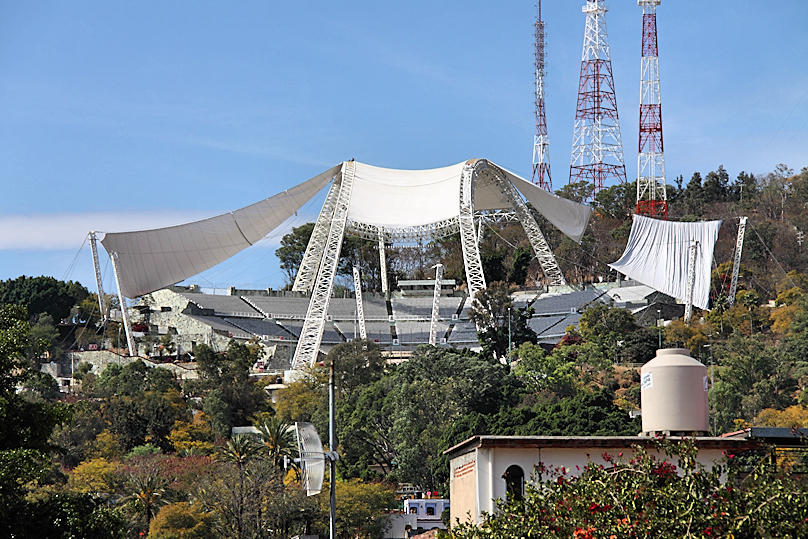
- Main events take place in an open-air amphitheater
What it is
Guelaguetza is a deeply significant festival for the indigenous peoples of Oaxaca, Mexico. Each year, communities gather in the city of Oaxaca and surrounding villages to present their unique dances, music, costumes, and foods. The event is rooted in the Zapotec concept of reciprocal exchange, reflecting values of sharing and community. While it draws many visitors, for locals it is a vital expression of cultural identity and a way to sustain traditions that have been passed down for generations.
Where it comes from
The origins of Guelaguetza reach back to pre-Hispanic times, when it was celebrated as an earth-based, religious festival honoring the corn god and the cycles of maize. The word 'Guelaguetza' comes from Zapotec and refers to the mutual exchange of gifts and services, a core value in indigenous Oaxacan society. Over centuries, the festival absorbed Christian elements, particularly honoring Our Lady of Mount Carmel, blending indigenous and Catholic traditions. In the 20th century, after a devastating earthquake, the festival was reorganized as a statewide cultural event to help rebuild community spirit.
How it is celebrated
During Guelaguetza, groups from different indigenous communities perform traditional dances in elaborate costumes, each representing their region’s history and beliefs. The dances are often accompanied by live music, and the performers wear trajes—distinctive outfits with deep cultural meaning. The festival is also a showcase for Oaxacan cuisine and artisanal crafts, such as textiles made in pre-Hispanic styles. Side events include concerts, plays, and the epic performance of 'Princess Donají.' The atmosphere is lively and communal, with a strong sense of pride in indigenous heritage. While the main performances are staged in a large amphitheater on Fortín Hill, celebrations and related events spread throughout Oaxaca and its villages.



Joining in
Visitors to Guelaguetza can expect a vibrant, colorful experience in Oaxaca city, especially at the amphitheater on Cerro del Fortín. The main events are open to the public, but tickets may be required for some performances. Streets fill with music, parades, and food stalls, and there are many opportunities to see traditional crafts and taste local dishes. While the festival is welcoming, it is important to approach with respect for its deep cultural significance to the communities who host it.
Sources and attribution
This page is Mela's own summary, written in new words. Its facts are drawn from the Wikipedia article Guelaguetza, whose text is available under the CC BY-SA 4.0 licence, and from its Wikidata record (CC0). Each photo is credited to its author beside it. For the full account, read the originals below.
Read more
This page was written with AI assistance from the sources listed above, and checked automatically before publishing. Spotted a mistake? Tell us. Last refreshed 2026-10-02.
 National days
 Cultural
 Cultural
 Sports
 Cultural
 Cultural
 Cultural
 Cultural