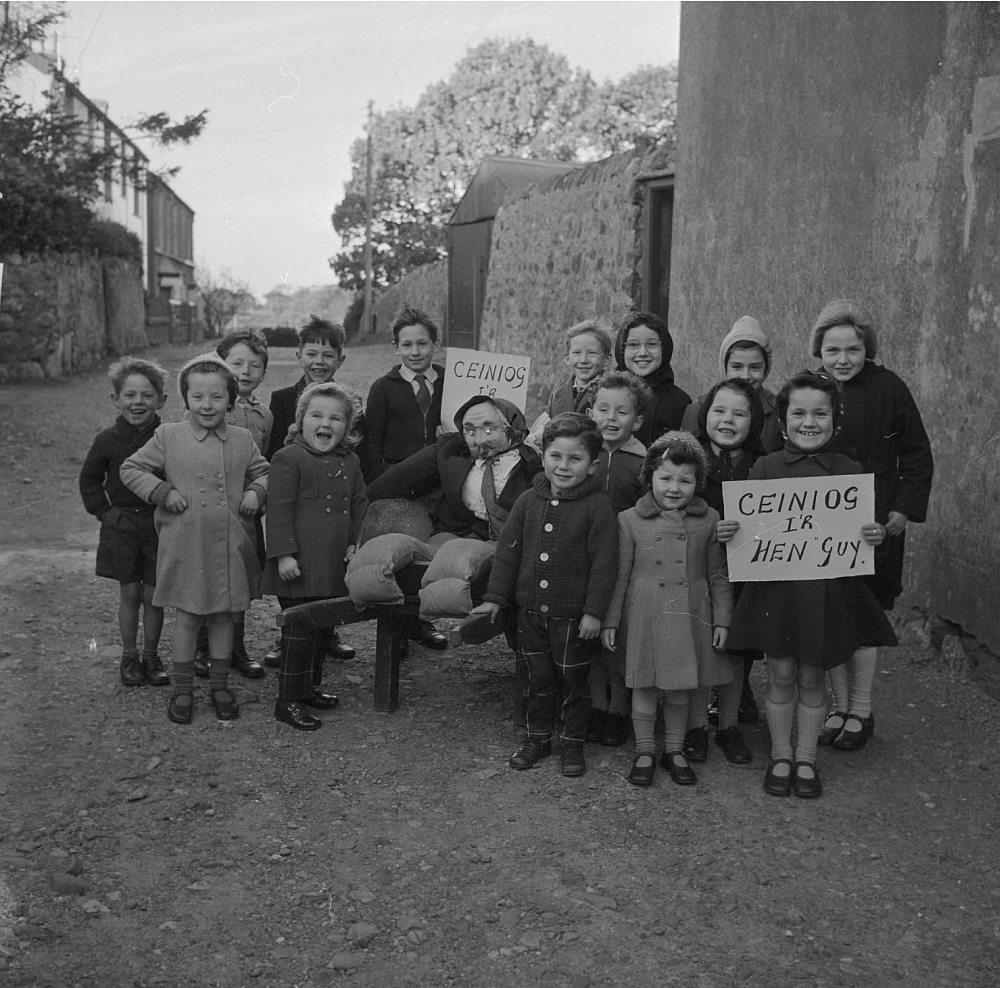
Guy Fawkes Night, also called Bonfire Night or Fireworks Night, is observed each 5 November in Great Britain. The festival commemorates the failure of the Gunpowder Plot of 1605, when conspirators attempted to blow up the Houses of Parliament, and is marked by bonfires and fireworks displays.
- Bonfires and fireworks are central to the celebration
- Effigies known as 'guys' are often burned
- Commemorates the failed Gunpowder Plot of 1605
- Observed annually on 5 November in Great Britain
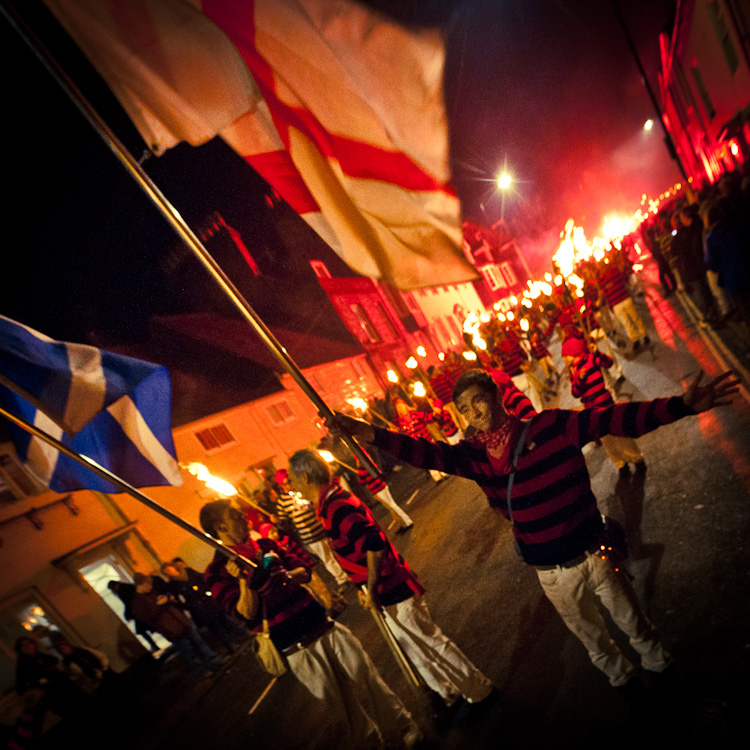
- Some towns hold processions and parades
What it is
Guy Fawkes Night is a public commemoration held on 5 November across Great Britain. It marks the discovery and failure of the Gunpowder Plot of 1605, when Guy Fawkes and other conspirators were caught trying to blow up the House of Lords. The festival is deeply rooted in British history and has evolved from a day of thanksgiving for the king’s survival into a lively community event. For many, it is a time to gather outdoors, watch fireworks, and enjoy the warmth of bonfires, reflecting both on the historical events and the traditions that have grown up around them.
Where it comes from
The festival began in 1605, immediately after the failed Gunpowder Plot, when Guy Fawkes was arrested while guarding explosives beneath the House of Lords. That same year, Londoners lit bonfires to celebrate the king’s survival. In January 1606, the Observance of 5th November Act made the day an annual public thanksgiving. Over the centuries, the event became known as Guy Fawkes Day, with traditions such as burning effigies and fireworks developing in towns and villages across England. Its significance shifted over time, reflecting changes in religious and political tensions.
How it is celebrated
Guy Fawkes Night is marked by large outdoor gatherings featuring bonfires and fireworks displays. Effigies, often called 'guys', are sometimes made and burned on the bonfire, a tradition that dates back centuries. In some towns, processions and parades accompany the festivities, and children have historically collected money with homemade effigies. The night is filled with the sounds of fireworks, crackling fires, and the chatter of crowds. Food and drink are often part of the celebration, with people enjoying the crisp November air and the spectacle of light and fire.


Joining in
Visitors can join Guy Fawkes Night celebrations in towns and cities throughout Great Britain, with some of the most notable events in places like Lewes and Guildford. Expect large crowds, vibrant fireworks, and the communal atmosphere of people gathered around bonfires. It’s common to see effigies being carried or burned, and local traditions may add unique touches to each celebration. Dress warmly, arrive early for the best views, and be ready for an evening of noise, light, and history.
In the news
Sources and attribution
This page is Mela's own summary, written in new words. Its facts are drawn from the Wikipedia article Guy Fawkes Night, whose text is available under the CC BY-SA 4.0 licence, and from its Wikidata record (CC0). Each photo is credited to its author beside it, and news headlines link to their publishers. For the full account, read the originals below.
Read more
- Guy Fawkes Night on WikipediaEncyclopedia
- Encyclopaedia BritannicaArticle
- More photos on Wikimedia CommonsPhotos
- Wikidata recordOpen data
This page was written with AI assistance from the sources listed above, and checked automatically before publishing. Spotted a mistake? Tell us. Last refreshed 2026-10-02.
More from United Kingdom
All festivals in United Kingdom Sports
 Sports
 Spiritual
 Sports
More national and civic days
See them all National days
19Nov
International Men's Day🇦🇬 Antigua and Barbuda and 29 more countriesIn 7 weeks
National days
19Nov
International Men's Day🇦🇬 Antigua and Barbuda and 29 more countriesIn 7 weeks
 National days
11Nov
Remembrance Day🇨🇦 Canada and 29 more countriesIn 6 weeks
National days
11Nov
Remembrance Day🇨🇦 Canada and 29 more countriesIn 6 weeks
 National days
11Nov
National Independence Day🇵🇱 Warsaw, PolandIn 6 weeks
National days
11Nov
National Independence Day🇵🇱 Warsaw, PolandIn 6 weeks
 National days
11Nov
Veterans Day🇺🇸 United StatesIn 6 weeks
National days
11Nov
Veterans Day🇺🇸 United StatesIn 6 weeks