
International Film Festival of Kerala
A celebration of world cinema in the heart of Kerala
The International Film Festival of Kerala (IFFK) is held annually in Thiruvananthapuram, Kerala, India, each November or December. It is one of India's leading cultural events, showcasing films from Asia, Africa, Latin America, and beyond, with a special focus on Malayalam cinema.
- Held annually in Thiruvananthapuram, Kerala
- Competition limited to films from Asia, Africa, and Latin America
- Golden Crow Pheasant is the top award
- Special section for Malayalam cinema
- Screenings include retrospectives and tributes
What it is
The International Film Festival of Kerala (IFFK) is a major annual event in Thiruvananthapuram, where filmmakers and film lovers gather to experience a diverse selection of cinema from around the world. The festival is known for its strong focus on films from Asia, Africa, and Latin America, as well as a dedicated section for Malayalam cinema. It is a space where established and emerging filmmakers are celebrated, and where the public actively participates in screenings, discussions, and voting for audience awards. The IFFK is recognized for its inclusive spirit and its role in promoting film culture in Kerala and beyond.
Where it comes from
The roots of IFFK trace back to the late 1980s, when the International Film Festival of India was held in Thiruvananthapuram, sparking a vibrant film society movement across Kerala. These societies fostered film appreciation and created a demand for a dedicated international festival. The first IFFK took place in Kozhikode in 1996, marking the centenary of cinema with 100 films screened. Initially managed by the Kerala State Film Development Corporation, the festival came under the Kerala State Chalachitra Academy in 1998, which has since shaped its competitive and inclusive character. The festival gained further recognition with FIAPF accreditation and the addition of a competition section in 1999.
How it is celebrated
During IFFK, the city comes alive with screenings of contemporary world cinema, retrospectives, tributes, and a rich selection of Malayalam films. The main competition features 14 films from Asia, Africa, and Latin America, while other sections highlight Indian and international works, documentaries, and short films. Awards such as the Golden and Silver Crow Pheasant, FIPRESCI, and NETPAC are presented, celebrating excellence in filmmaking. Seminars, film markets, and special screenings—including in unique venues like prisons and homes for the underprivileged—reflect the festival's commitment to accessibility and dialogue. The atmosphere is vibrant, with audiences engaging deeply in post-screening discussions and voting for their favorites.


Joining in
Visitors to IFFK can expect a welcoming, energetic environment centered in Thiruvananthapuram's cinema halls. The festival draws film enthusiasts, critics, and creators from Kerala and around the world. Delegates can attend multiple screenings each day, participate in seminars, and mingle with filmmakers. The city’s streets and venues buzz with conversation and celebration, making it a unique experience for newcomers and seasoned festival-goers alike. Tickets and passes are typically available through the festival’s official channels, and the event is known for its strong public participation.
Sources and attribution
This page is Mela's own summary, written in new words. Its facts are drawn from the Wikipedia article International Film Festival of Kerala, whose text is available under the CC BY-SA 4.0 licence, and from its Wikidata record (CC0). Each photo is credited to its author beside it. For the full account, read the originals below.
Read more
- International Film Festival of Kerala on WikipediaEncyclopedia
- Official websiteOfficial site
- More photos on Wikimedia CommonsPhotos
- Wikidata recordOpen data
This page was written with AI assistance from the sources listed above, and checked automatically before publishing. Spotted a mistake? Tell us. Last refreshed 2026-10-02.
 Sports
 Spiritual
 Spiritual
 National days
More arts, film and book festivals
See them all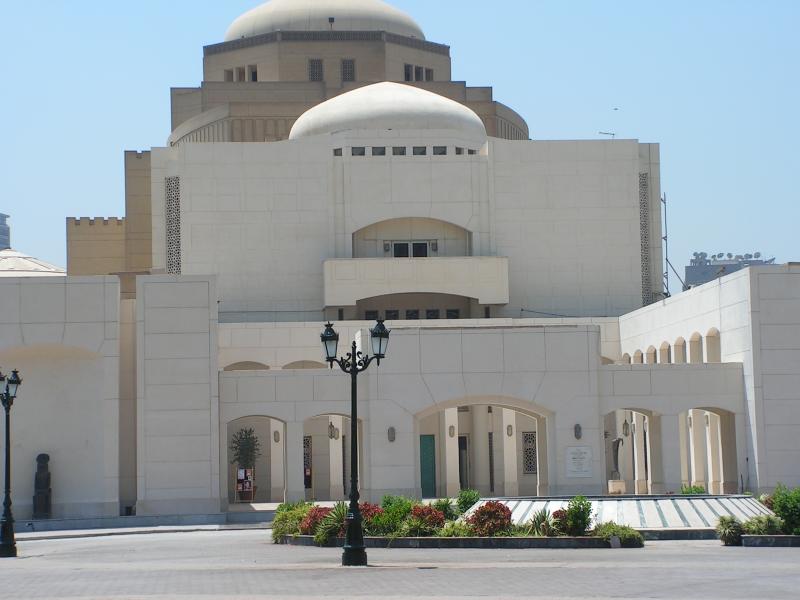 Arts and film
12Nov
Cairo International Film Festival🇪🇬 Cairo, EgyptIn 6 weeks
Arts and film
12Nov
Cairo International Film Festival🇪🇬 Cairo, EgyptIn 6 weeks
 Arts and film
1Nov
Mar del Plata International Film Festival🇦🇷 Mar del Plata, ArgentinaIn 4 weeks
Arts and film
1Nov
Mar del Plata International Film Festival🇦🇷 Mar del Plata, ArgentinaIn 4 weeks
 Arts and film
11Nov
Stockholm International Film Festival🇸🇪 Stockholm, SwedenIn 6 weeks
Arts and film
11Nov
Stockholm International Film Festival🇸🇪 Stockholm, SwedenIn 6 weeks
 Arts and film
Novvaries
International Documentary Film Festival Amsterdam🇳🇱 Amsterdam, Netherlands
Arts and film
Novvaries
International Documentary Film Festival Amsterdam🇳🇱 Amsterdam, Netherlands