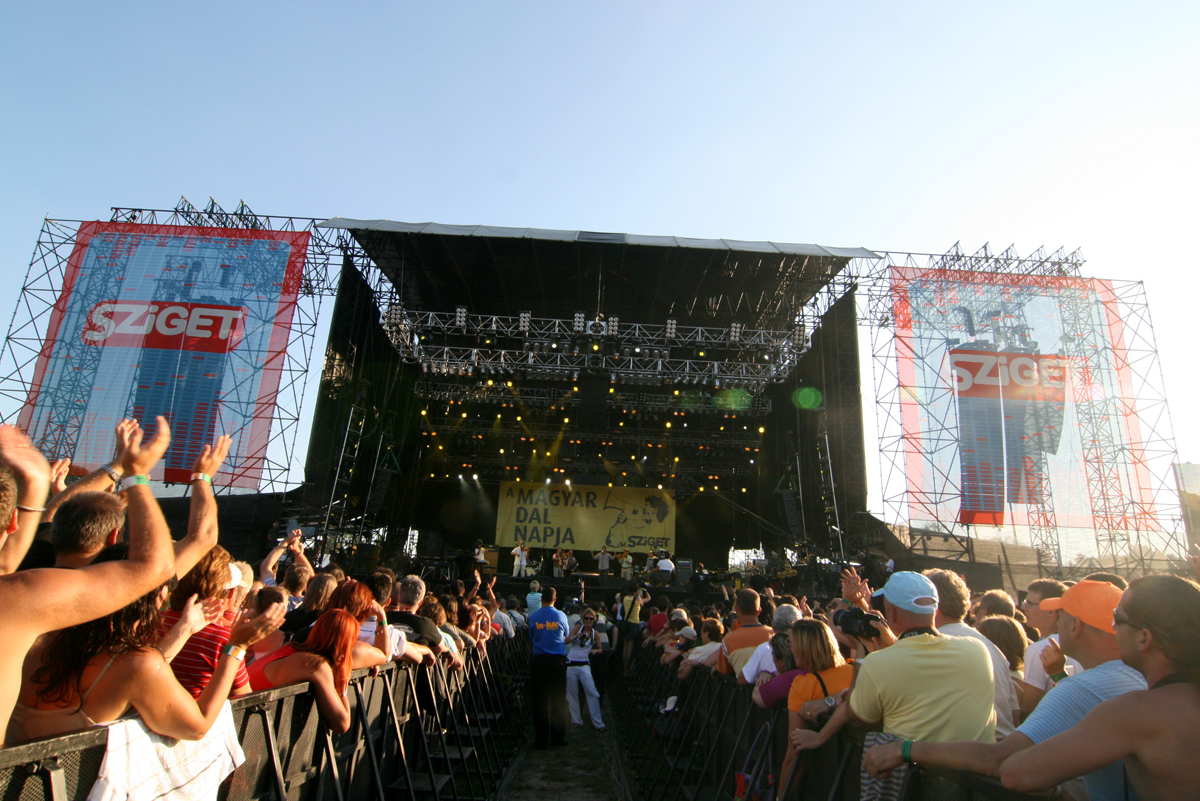
Sziget Festival
A week-long celebration of music and culture on Budapest’s Óbuda Island
Sziget Festival is a major music and cultural event held every August on Óbuda Island in Budapest, Hungary. Drawing hundreds of thousands of visitors from across Europe, it features over 1,000 performances across diverse genres in a vibrant, week-long gathering.
- Held on Óbuda Island in Budapest, surrounded by the Danube
- Features over 1,000 performances each year
- Attracts around half a million visitors, half from outside Hungary
- Covers a wide range of genres from rock to world music
- Runs for seven days each August
What it is
Sziget Festival, known locally as Sziget Fesztivál, transforms Budapest’s Óbuda Island into a vast playground of music, art, and community each August. It is one of Europe’s largest festivals, welcoming visitors from Hungary and far beyond, with about half the crowd coming from other countries. The festival is renowned for its eclectic lineup, spanning rock, pop, electronic, world music, and more, alongside a rich programme of cultural events. For many, Sziget is not just about the music but about the sense of freedom, creativity, and international camaraderie that fills the island.
Where it comes from
Sziget began in 1993 as Diáksziget, or Student Island, created by artists and music fans to revive Budapest’s summer festival scene after the end of Communist-era state funding. The first edition was a modest, student-driven affair and ran over budget, but its spirit caught on. By the late 1990s, Sziget had grown rapidly, attracting major sponsors and international acts. Over the years, it has evolved into a flagship European festival, earning awards and branching out with sister events in Romania and at Lake Balaton.
How it is celebrated
During Sziget, Óbuda Island becomes a temporary city alive with music, art installations, and festival-goers from across the continent. The festival features more than 1,000 performances on multiple stages, with genres ranging from rock and pop to electronic, reggae, and world music. Days are filled with concerts, dance tents, and cultural happenings, while nights bring headline acts and parties under the stars. Special events include themed days, such as the Day of Hungarian Songs, and unique experiences like the 'party train' that brings visitors from all over Europe. The atmosphere is open and playful, with people camping on the island, sharing food, and exploring the many creative spaces.


Joining in
To experience Sziget as a visitor, head to Óbuda Island in northern Budapest during the first week of August. Expect a lively, international crowd and a packed schedule of music and cultural events. Most attendees camp on-site, creating a communal vibe, but day tickets are also available. The festival is accessible by public transport, and special trains run from several European cities. Prepare for a full week of music, art, and late nights, with plenty of opportunities to meet people from around the world.
Sources and attribution
This page is Mela's own summary, written in new words. Its facts are drawn from the Wikipedia article Sziget Festival, whose text is available under the CC BY-SA 4.0 licence, and from its Wikidata record (CC0). Each photo is credited to its author beside it. For the full account, read the originals below.
Read more
- Sziget Festival on WikipediaEncyclopedia
- Official websiteOfficial site
- More photos on Wikimedia CommonsPhotos
- Wikidata recordOpen data
This page was written with AI assistance from the sources listed above, and checked automatically before publishing. Spotted a mistake? Tell us. Last refreshed 2026-10-02.
 Spiritual
 Spiritual
 Spiritual
 Cultural
 Music
Music Music
Music Music
Music Music
Music