
Victory Day
Commemorating the Soviet victory over Nazi Germany on 9 May 1945
Victory Day is observed on 9 May in Russia and several post-Soviet states to mark the Soviet Union's victory over Nazi Germany in 1945. The day is a major public holiday, especially in Russia, Belarus, Armenia, Azerbaijan, and other countries, featuring ceremonies, parades, and remembrance events.
- Held every 9 May, marking the end of World War II in Europe
- Moscow's Red Square hosts a major military parade
- St. George ribbons are worn as a symbol of remembrance
- Fireworks and public concerts are part of the celebrations
- Observed as a public holiday in Russia and several post-Soviet states
What it is
Victory Day is a national holiday observed on 9 May in Russia and many post-Soviet countries, commemorating the defeat of Nazi Germany in 1945. It is a day of deep significance, honoring the immense sacrifices made during World War II and celebrating the end of the conflict in Europe. For many, it is a time to remember those who fought and died, and to reflect on the lasting impact of the war on families and communities. The day brings together people of all generations, uniting them in shared memory and pride.
Where it comes from
The origins of Victory Day lie in the final days of World War II, when the German Instrument of Surrender was signed late on 8 May 1945 in Berlin, which was already 9 May in Moscow due to the time difference. The Soviet Union announced the victory early on 9 May, and the holiday was first inaugurated across its republics that year. Over time, the day became a non-working holiday and a central part of national identity, especially in Russia and other former Soviet states. The tradition of large-scale public celebrations and military parades developed in the decades that followed.
How it is celebrated
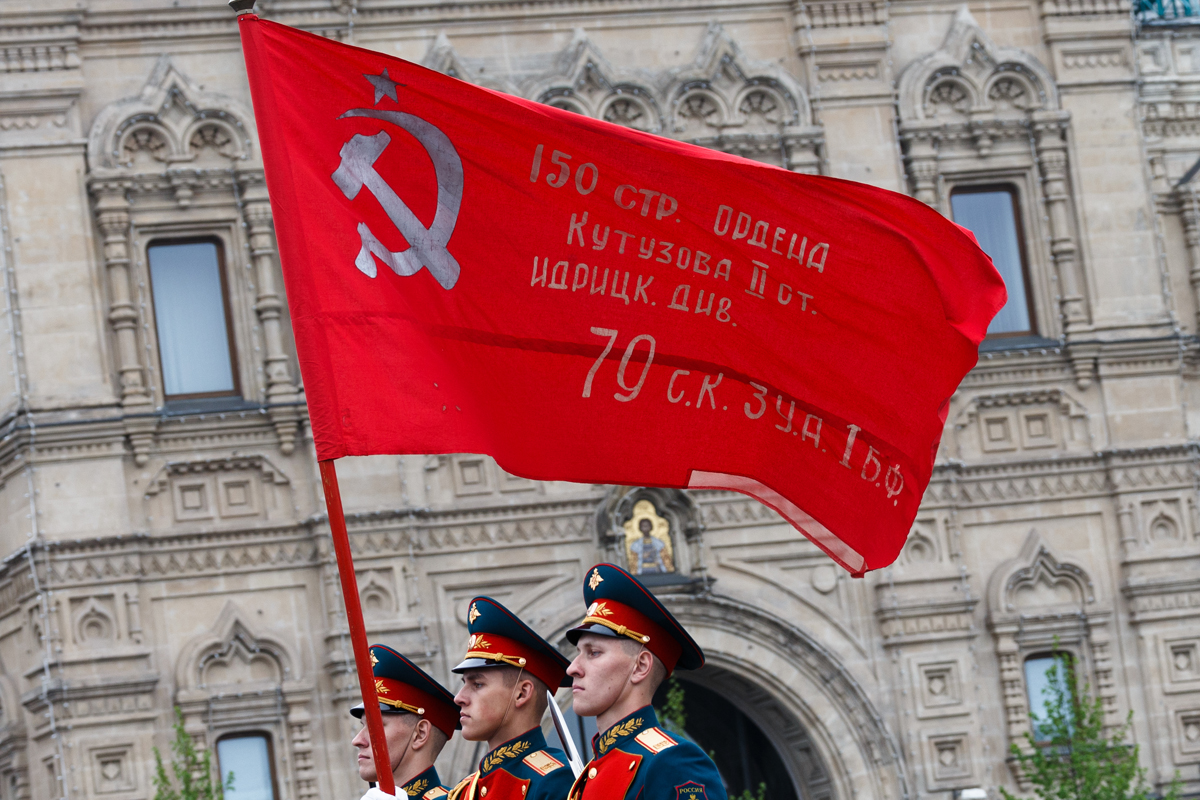
Victory Day is marked by grand military parades, especially in Moscow, where troops, veterans, and military hardware pass through Red Square. Ceremonies of remembrance are held at war memorials, with speeches, wreath-laying, and moments of silence to honor the fallen. Fireworks, concerts, and public gatherings are common, and many people wear the black-and-orange St. George ribbon as a symbol of remembrance. In homes and public spaces, stories of wartime experiences are shared, and films and music from the era are broadcast. The day is both solemn and celebratory, blending mourning with national pride.



Joining in
Visitors in Russia can experience Victory Day most vividly in Moscow, where the main parade takes place on Red Square, though similar events occur in many cities. Expect large crowds, heightened security, and a festive yet respectful atmosphere. Public transport may be crowded, and some areas are closed for the parade. Observing the fireworks and joining locals at memorials or public concerts offers a way to take part in the collective remembrance. In other countries like Belarus and Armenia, parades and ceremonies are also held in central squares.
Sources and attribution
This page is Mela's own summary, written in new words. Its facts are drawn from the Wikipedia article Victory Day (9 May), whose text is available under the CC BY-SA 4.0 licence, and from its Wikidata record (CC0). Each photo is credited to its author beside it. For the full account, read the originals below.
Read more
- Victory Day (9 May) on WikipediaEncyclopedia
- More photos on Wikimedia CommonsPhotos
- Wikidata recordOpen data
This page was written with AI assistance from the sources listed above, and checked automatically before publishing. Spotted a mistake? Tell us. Last refreshed 2026-10-02.
More national and civic days
See them all National days
Mayvaries
Europe Day🇦🇹 Austria and 13 more countries
National days
Mayvaries
Europe Day🇦🇹 Austria and 13 more countries
 National days
8May
Victory in Europe Day🇫🇷 France and 12 more countries
National days
8May
Victory in Europe Day🇫🇷 France and 12 more countries
 National days
31May
Memorial Day🇺🇸 Arlington, United States
National days
31May
Memorial Day🇺🇸 Arlington, United States
 National days
17May
Constitution Day🇳🇴 Norway and 5 more countries
National days
17May
Constitution Day🇳🇴 Norway and 5 more countries
 National days
25May
Africa Day🇦🇴 Angola and 13 more countries
National days
25May
Africa Day🇦🇴 Angola and 13 more countries
 National days
3Jul
Jerusalem Day🇮🇱 Jerusalem, Israel
National days
3Jul
Jerusalem Day🇮🇱 Jerusalem, Israel
 National days
5May
Children's Day🇯🇵 Japan
National days
5May
Children's Day🇯🇵 Japan
 National days
15May
Nakba Day🇮🇷 Iran and 5 more countries
National days
15May
Nakba Day🇮🇷 Iran and 5 more countries