
Children's Day
A joyful celebration of children's happiness and family unity in Japan
Children's Day, known as Kodomo no hi, is a national holiday celebrated across Japan on May 5. Marking the end of Golden Week, it honors children's personalities and happiness, with families displaying colorful carp streamers and traditional decorations.
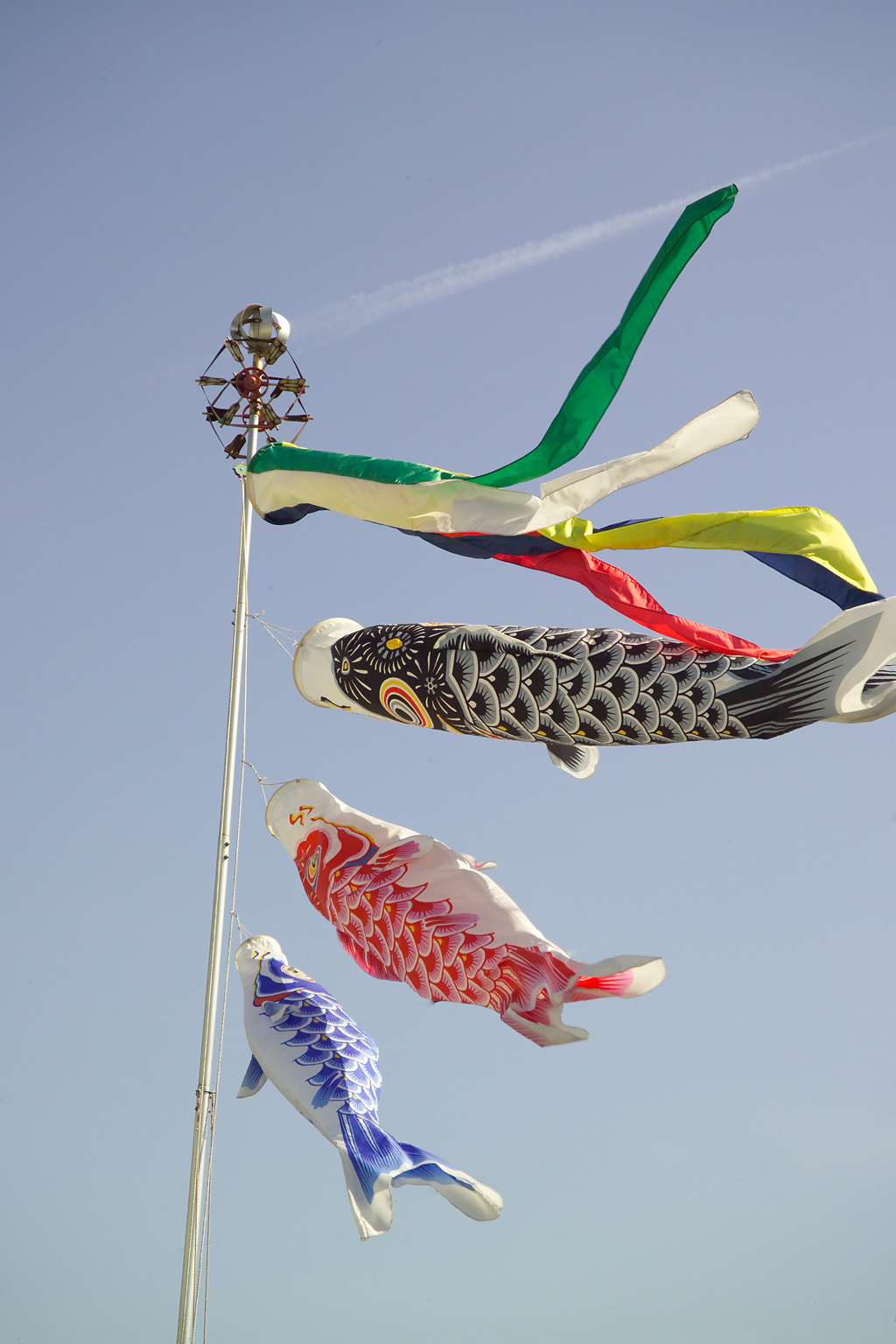
- Colorful carp streamers (koinobori) fly above homes for each family member
- Miniature samurai armor and kabuto helmets are displayed indoors
- Traditional sweets like kashiwa mochi and chimaki are enjoyed
- Irises are used in baths and decorations for protection and health
- Children's Day marks the end of Japan's Golden Week holidays
What it is
Children's Day, or Kodomo no hi, is a cherished public holiday in Japan dedicated to celebrating the happiness and individuality of children. Observed on May 5, it is the final event of Golden Week, a festive period in early May. On this day, families express their hopes for the healthy growth and prosperity of their children, while also recognizing the importance of family unity. The holiday is marked by vibrant traditions that fill neighborhoods with color and a sense of community, making it a meaningful occasion for both children and adults.
Where it comes from
Children's Day traces its roots to Tango no Sekku, one of the five annual ceremonies at the imperial court, originally observed on the fifth day of the fifth lunar month. In early times, it was a day for women to purify the home with irises, believed to ward off evil. During the Kamakura period, the focus shifted to boys, influenced by the samurai class, as the iris symbolized valor and military spirit. Over centuries, customs such as displaying armor, kabuto (helmets), and samurai dolls developed, reflecting hopes for children's protection and strength. In 1948, the holiday was renamed and broadened to celebrate all children and family unity.
How it is celebrated
On Children's Day, Japanese families raise koinobori—colorful carp-shaped windsocks—outside their homes, with each carp representing a family member. The black carp stands for the father, red or pink for the mother, and additional carps for each child. Indoors, families display miniature armor and kabuto (helmets), known as Gogatsu Ningyo, often accompanied by bows, swords, and samurai hats. Traditional foods like kashiwa mochi (rice cakes filled with red bean paste and wrapped in oak leaves) and chimaki (sweet rice wrapped in iris or bamboo leaves) are enjoyed. Irises, believed to have protective and medicinal qualities, are used in baths or even placed in pillows, continuing age-old customs of wishing for children's health and safety.


Joining in
To experience Children's Day in Japan, head to any city or town on May 5, when koinobori flutter above homes and rivers. Public spaces and parks often feature special displays and family activities. Visitors can admire the colorful streamers, sample seasonal sweets, and see traditional decorations in homes and shops. While the day is mainly celebrated within families, the festive atmosphere is visible everywhere, offering a warm welcome to newcomers and travelers alike.
Sources and attribution
This page is Mela's own summary, written in new words. Its facts are drawn from the Wikipedia article Children's Day (Japan), whose text is available under the CC BY-SA 4.0 licence, and from its Wikidata record (CC0). Each photo is credited to its author beside it. For the full account, read the originals below.
Read more
- Children's Day (Japan) on WikipediaEncyclopedia
- Encyclopaedia BritannicaArticle
- Wikidata recordOpen data
This page was written with AI assistance from the sources listed above, and checked automatically before publishing. Spotted a mistake? Tell us. Last refreshed 2026-10-02.
 Cultural
 Spiritual
 Spiritual
 Sports
 National days
 National days
 National days
 National days