
Akita Kantō
Towering lanterns light Akita’s streets in a dazzling display of skill and hope.
Akita Kantō is a celebrated summer festival held from 3–7 August in Akita City, Japan, where hundreds of bamboo poles adorned with lanterns are balanced and paraded through the streets. Rooted in prayers for a good harvest, the festival is a vivid display of tradition and artistry, drawing crowds to witness its illuminated night performances.
- Over 200 bamboo poles with lanterns are paraded through Akita’s streets
- Poles can reach up to 12 meters and weigh up to 50 kilograms
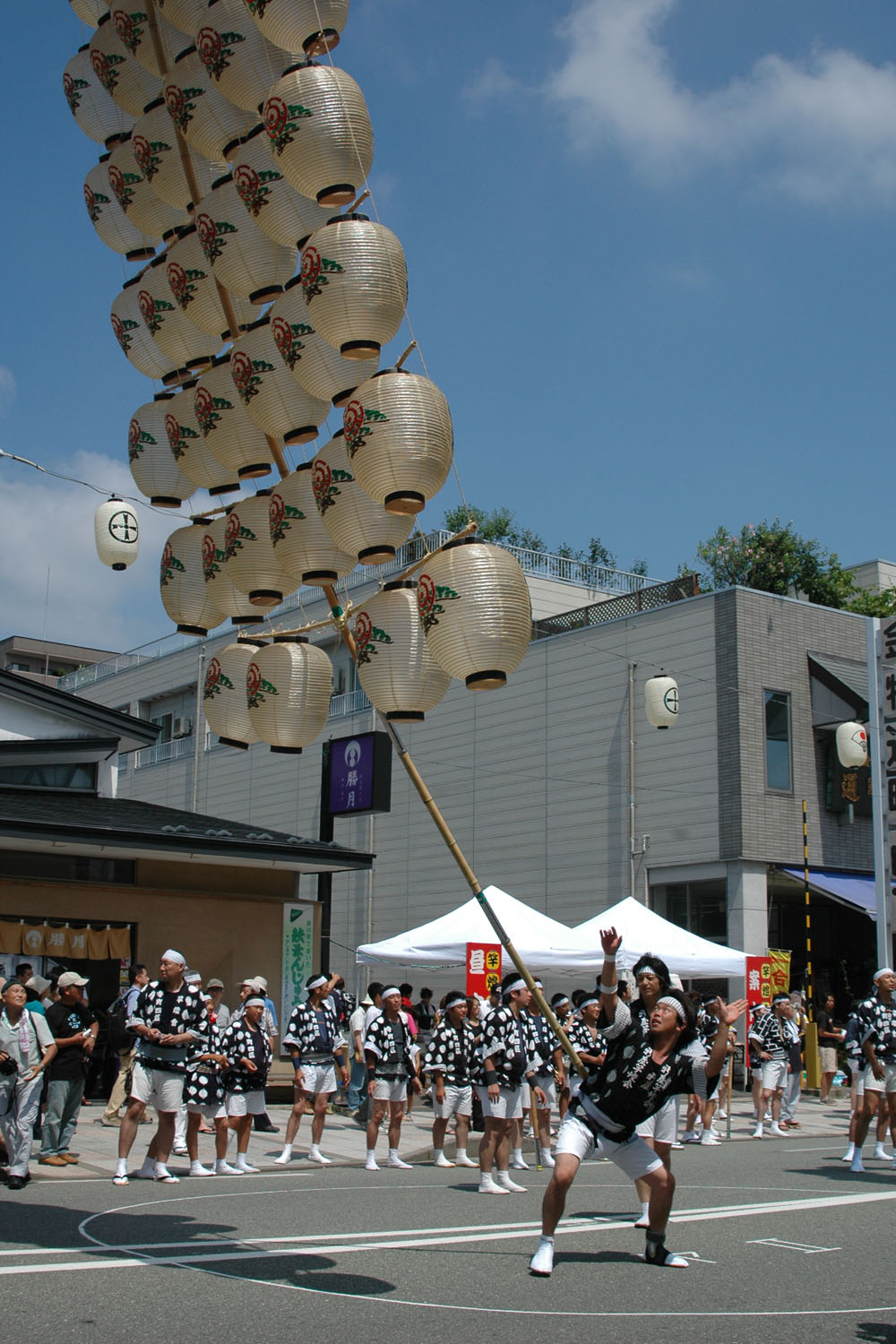
- Performers balance poles on palms, hips, shoulders, and foreheads
- The festival is held every 3–7 August in Akita City
- Recognized as an Important Intangible Folk Cultural Property since 1980
What it is
Akita Kantō is a vibrant Japanese festival where participants balance towering bamboo poles, each hung with dozens of glowing lanterns, through the streets of Akita City. The event is a heartfelt prayer for a bountiful harvest, and its illuminated processions transform the city into a sea of light each August. For the people of Akita, the festival is a cherished tradition, blending artistry, community spirit, and the hope for prosperity. The spectacle of skillful performers balancing heavy, swaying poles on their palms, foreheads, shoulders, or hips is both a test of strength and a symbol of collective aspiration.
Where it comes from
The festival traces its roots to Neburi Nagashi, a summer ritual from the Edo period (1751–1764) meant to ward off illness and bad luck. Early celebrations involved decorating bamboo and silk trees with wishes and floating them downstream, combining candles and lanterns to create what became known as Kantō. The oldest written record dates to 1789. Over time, the festival evolved, surviving changes in calendar, imperial visits, and even wartime cancellations. Its modern form and name were established in the late 19th century, and it was recognized as an Important Intangible Folk Cultural Property in 1980.
How it is celebrated
Celebrations center on the dramatic night parades, where over 200 bamboo poles—some reaching twelve meters and weighing up to fifty kilograms—are balanced by skilled performers. Each pole is topped with lanterns and gohei, and teams demonstrate five main balancing techniques, shifting the poles from palm to hip, shoulder, and even forehead. The festival also features daytime skill competitions, where teams and individuals are judged on accuracy, posture, and stability. The rhythmic sounds of flutes accompany the illuminated procession, and the strict rules and artistry of the performances reflect deep pride in local tradition. The sight of hundreds of glowing lanterns swaying above the crowd is unforgettable.
Joining in
Visitors to Akita City during the festival can expect lively streets, especially along Kanto Oodori, the main thoroughfare for the night parades. The atmosphere is welcoming, with locals eager to share their culture and the excitement of the performances. While the main spectacle is after dark, daytime competitions offer a closer look at the skills involved. It’s a chance to witness a unique blend of athleticism, artistry, and community spirit in one of Tōhoku’s most celebrated summer events.
Sources and attribution
This page is Mela's own summary, written in new words. Its facts are drawn from the Wikipedia article Akita Kantō, whose text is available under the CC BY-SA 4.0 licence, and from its Wikidata record (CC0). Each photo is credited to its author beside it. For the full account, read the originals below.
Read more
- Akita Kantō on WikipediaEncyclopedia
- Official websiteOfficial site
- More photos on Wikimedia CommonsPhotos
- Wikidata recordOpen data
This page was written with AI assistance from the sources listed above, and checked automatically before publishing. Spotted a mistake? Tell us. Last refreshed 2026-10-02.
 Cultural
 Spiritual
 Spiritual
 Sports
 Cultural
 Cultural
 Cultural
 Cultural