
All Souls' Day
A day of prayer and remembrance for the faithful departed
All Souls' Day is observed by Christians on 2 November as a time to pray for and remember the faithful departed. Marked in many countries, it is especially significant in Catholic, Anglican, Lutheran, and other Christian communities, who gather at cemeteries and churches to honor loved ones who have died.
- Observed annually on 2 November in Western Christianity
- Families visit and decorate graves with flowers and candles
- Special prayers and Masses are offered for the departed
- Ecumenical services often bring together different denominations
- Known by many names in different languages and countries
What it is
All Souls' Day is a Christian observance dedicated to praying for the souls of the departed. It is a time when families and communities come together to remember loved ones who have passed away, offering prayers and attending church services. The day holds special meaning for those who believe that the living can help the dead through prayer, almsgiving, and acts of remembrance. For many, it is a gentle, reflective occasion, marked by visits to cemeteries and the lighting of candles, symbolizing hope and the enduring bond between the living and the dead.
Where it comes from
The tradition of praying for the dead dates back to the early centuries of Christianity, as seen in catacomb inscriptions and ancient liturgies. In the 10th century, Saint Odilo of Cluny established 2 November as a day for all Cluniac monasteries to commemorate the faithful departed, linking prayer and almsgiving for the souls in purgatory. This custom gradually spread throughout Western Christianity, becoming widely observed by the 13th century. Earlier, different regions marked similar commemorations at various times, and some Eastern Christian churches continue to observe the day on other dates.
How it is celebrated
On All Souls' Day, Christians attend special church services and Masses dedicated to the memory of the dead. Many families visit cemeteries, tending to graves by cleaning them and adorning them with flowers, garlands, candles, and incense. These acts are seen as both a tribute and a prayerful gesture, expressing love and hope for the souls of the departed. In some traditions, special pastries or foods are prepared and shared. The day often brings together people from different Christian denominations, who may join in ecumenical services or cooperate in caring for shared cemeteries, reflecting a spirit of unity in remembrance.


Joining in
Visitors are welcome to join All Souls' Day observances in churches and cemeteries, especially in countries with strong Catholic or Anglican traditions such as Italy, the Philippines, and parts of India. Expect a quiet, respectful atmosphere, with families gathering at gravesides, lighting candles, and offering prayers. Local customs may include processions or the sharing of food. If attending, it is appropriate to dress modestly and observe the reflective mood of the day.
In the news
- Halloween: Origins, Movies & TraditionsHistory.com
- Saturday Halloweenbritannica.com
- All Saints’ DayBritannica
Sources and attribution
This page is Mela's own summary, written in new words. Its facts are drawn from the Wikipedia article All Souls' Day, whose text is available under the CC BY-SA 4.0 licence, and from its Wikidata record (CC0). Each photo is credited to its author beside it, and news headlines link to their publishers. For the full account, read the originals below.
Read more
- All Souls' Day on WikipediaEncyclopedia
- Encyclopaedia BritannicaArticle
- More photos on Wikimedia CommonsPhotos
- Wikidata recordOpen data
This page was written with AI assistance from the sources listed above, and checked automatically before publishing. Spotted a mistake? Tell us. Last refreshed 2026-10-02.
More spiritual festivals
See them all Spiritual
1Nov
All Saints' Day🇦🇹 Austria and 23 more countriesIn 4 weeks
Spiritual
1Nov
All Saints' Day🇦🇹 Austria and 23 more countriesIn 4 weeks
 Spiritual
Novvaries
Yi Peng🇹🇭 Chiang Mai, Thailand
Spiritual
Novvaries
Yi Peng🇹🇭 Chiang Mai, Thailand
 Spiritual
Novvaries
Pha That Luang Festival🇱🇦 Vientiane, Laos
Spiritual
Novvaries
Pha That Luang Festival🇱🇦 Vientiane, Laos
 Spiritual
11Nov
St. Martin's Day🇦🇹 Austria and 17 more countriesIn 6 weeks
Spiritual
11Nov
St. Martin's Day🇦🇹 Austria and 17 more countriesIn 6 weeks
 Spiritual
Novvaries
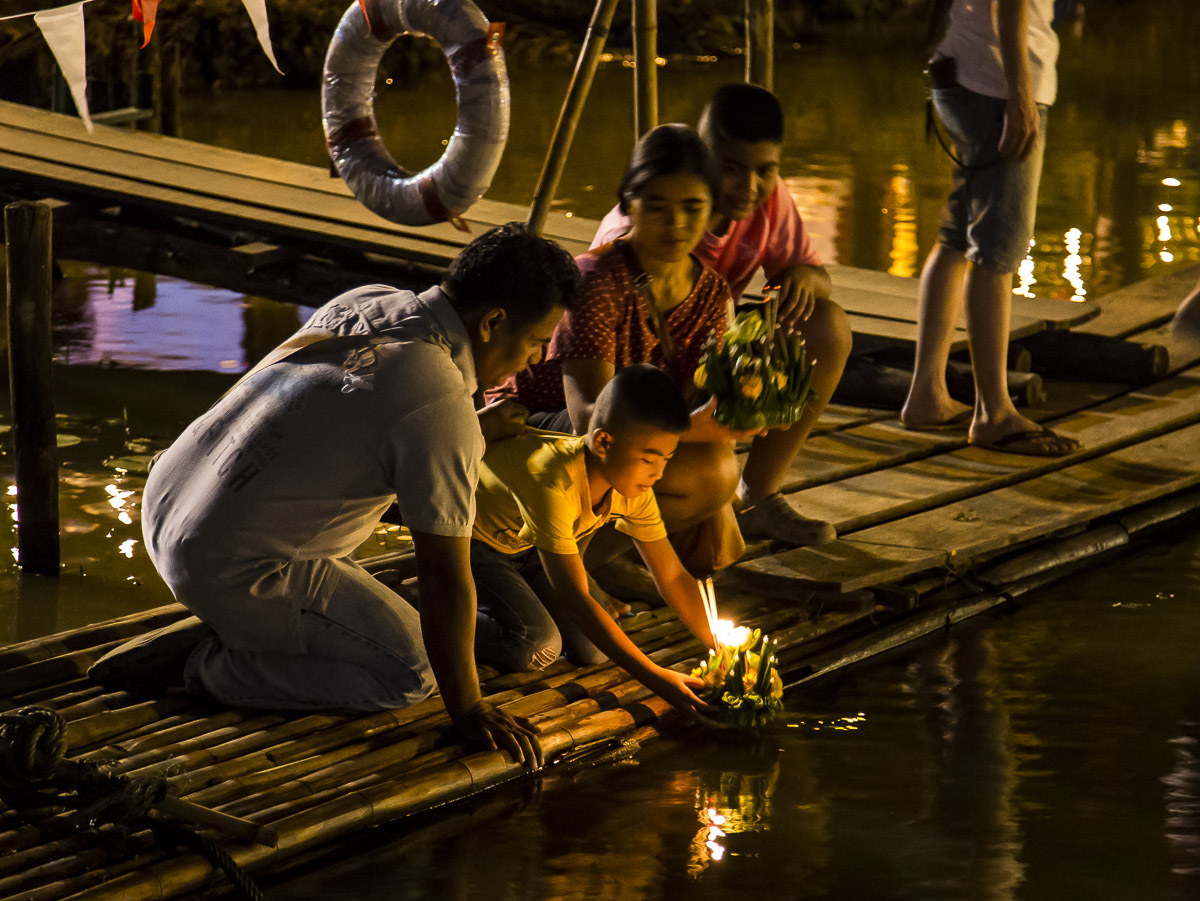
Loy Krathong🇹🇭 Thailand and 7 more countries
Spiritual
Novvaries
Loy Krathong🇹🇭 Thailand and 7 more countries
 Spiritual
21Nov
Presentation of Mary🇫🇷 France and 2 more countriesIn 7 weeks
Spiritual
21Nov
Presentation of Mary🇫🇷 France and 2 more countriesIn 7 weeks
 Spiritual
30Nov
Saint Andrew's Day🇧🇾 Belarus and 18 more countriesIn 8 weeks
Spiritual
30Nov
Saint Andrew's Day🇧🇾 Belarus and 18 more countriesIn 8 weeks
 Spiritual
29Nov
Feast of Christ the King🇦🇺 Australia and 7 more countriesIn 8 weeks
Spiritual
29Nov
Feast of Christ the King🇦🇺 Australia and 7 more countriesIn 8 weeks