
St. Martin's Day, celebrated on 11 November, honors Saint Martin of Tours across much of Europe. Marking the end of harvest and the arrival of winter, the festival features lantern processions, feasting—often on goose—and community gatherings in countries like Germany, Austria, Belgium, and the Netherlands.
- Children parade with lanterns through towns on the evening of 11 November
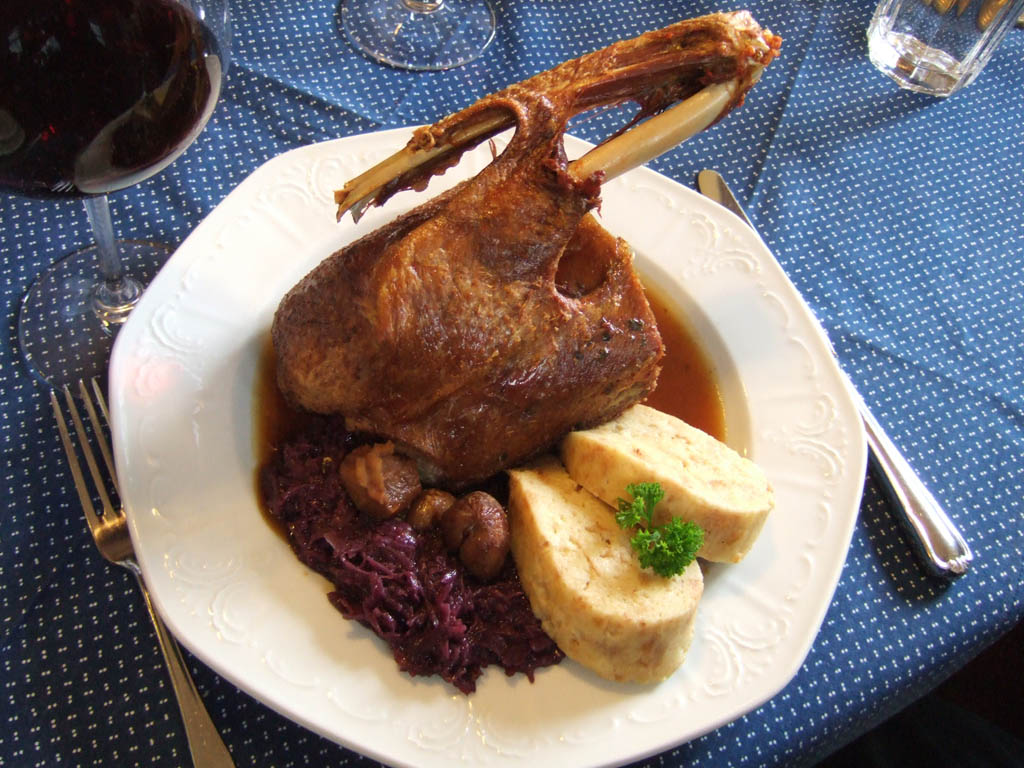
- Roast goose is the traditional feast dish in many regions
- Bonfires are lit in the Rhineland and parts of Germany
- In some areas, a rider dressed as St. Martin leads the procession
- The festival marks the end of the harvest and the start of winter
What it is
St. Martin's Day is a festival rooted in both Christian and older seasonal traditions, observed in many European countries. It commemorates Saint Martin of Tours, remembered for his act of kindness in sharing his cloak with a beggar. For centuries, the day has marked the close of the harvest and the beginning of winter. Communities come together to celebrate generosity, warmth, and the turning of the seasons, often with customs that bring children and adults into the heart of local traditions.
Where it comes from
The festival honors Martin of Tours, a Roman soldier turned bishop, who became famous for his compassion—most notably, for sharing his cloak with a beggar during a cold winter. Over time, his feast day merged with older harvest celebrations that signaled the start of winter in Europe. In some regions, the timing of St. Martin's Day coincided with pre-Christian festivals marking the end of the agricultural year. The day also once marked the beginning of a period of fasting in the Christian calendar, now largely replaced by Advent.
How it is celebrated
Celebrations vary across regions but often center on light and sharing. In Germany and Austria, children craft lanterns and join evening processions, sometimes led by a rider dressed as St. Martin. Bonfires light up the night, especially in the Rhineland, where people once danced and leapt through the flames. Feasting is a key part of the day, with roast goose as the traditional dish in many places—a nod to the legend of geese betraying the hiding saint. In wine-producing areas, the first wine of the season is tasted. In the Netherlands and Belgium, children go door to door with lanterns, singing for sweets or fruit. In some places, a figure representing St. Martin hands out treats, while in others, children carry lanterns made from beets or paper.



Joining in
Visitors can experience St. Martin's Day most vividly in towns and villages across Germany, Austria, Belgium, and the Netherlands. Look for lantern processions in the evenings, often starting from local schools or churches and winding through the streets. Expect to see children singing and carrying their handmade lanterns, and perhaps a bonfire or a rider in a red cloak. Local restaurants may serve roast goose or special pastries, and in wine regions, tastings of the new vintage are common. The atmosphere is welcoming, with families and communities gathering to mark the change of season.
Sources and attribution
This page is Mela's own summary, written in new words. Its facts are drawn from the Wikipedia article St. Martin's Day, whose text is available under the CC BY-SA 4.0 licence, and from its Wikidata record (CC0). Each photo is credited to its author beside it. For the full account, read the originals below.
Read more
- St. Martin's Day on WikipediaEncyclopedia
- More photos on Wikimedia CommonsPhotos
- Wikidata recordOpen data
This page was written with AI assistance from the sources listed above, and checked automatically before publishing. Spotted a mistake? Tell us. Last refreshed 2026-10-03.
More spiritual festivals
See them all Spiritual
1Nov
All Saints' Day🇦🇹 Austria and 23 more countriesIn 4 weeks
Spiritual
1Nov
All Saints' Day🇦🇹 Austria and 23 more countriesIn 4 weeks
 Spiritual
2Nov
All Souls' Day🇧🇩 Bangladesh and 20 more countriesIn 4 weeks
Spiritual
2Nov
All Souls' Day🇧🇩 Bangladesh and 20 more countriesIn 4 weeks
 Spiritual
Novvaries
Yi Peng🇹🇭 Chiang Mai, Thailand
Spiritual
Novvaries
Yi Peng🇹🇭 Chiang Mai, Thailand
 Spiritual
Novvaries
Pha That Luang Festival🇱🇦 Vientiane, Laos
Spiritual
Novvaries
Pha That Luang Festival🇱🇦 Vientiane, Laos
 Spiritual
Novvaries
Loy Krathong🇹🇭 Thailand and 7 more countries
Spiritual
Novvaries
Loy Krathong🇹🇭 Thailand and 7 more countries
 Spiritual
21Nov
Presentation of Mary🇫🇷 France and 2 more countriesIn 7 weeks
Spiritual
21Nov
Presentation of Mary🇫🇷 France and 2 more countriesIn 7 weeks
 Spiritual
30Nov
Saint Andrew's Day🇧🇾 Belarus and 18 more countriesIn 8 weeks
Spiritual
30Nov
Saint Andrew's Day🇧🇾 Belarus and 18 more countriesIn 8 weeks
 Spiritual
29Nov
Feast of Christ the King🇦🇺 Australia and 7 more countriesIn 8 weeks
Spiritual
29Nov
Feast of Christ the King🇦🇺 Australia and 7 more countriesIn 8 weeks