
Carnival is a festive season held in many countries, marked by parades, costumes, and public celebrations before the Christian period of Lent. The timing and traditions vary, but it typically culminates in the days leading up to Shrove Tuesday, with communities gathering to feast, dance, and set aside everyday routines.
- Carnival culminates on Shrove Tuesday, the day before Lent begins
- Parades, costumes, and masks are central to the celebrations
- Traditional foods like pancakes and donuts are enjoyed before Lent
- Celebrated widely in Brazil, Italy, Germany, Spain, and more
- A time for feasting, music, and reversal of social roles
What it is
Carnival is a vibrant, communal celebration that takes place just before Lent, the Christian season of fasting and reflection. Across many cultures, it is a time when people come together to enjoy public festivities, including lively parades, elaborate costumes, and street parties. The festival is rooted in the idea of indulging in food, drink, and merriment before the more austere period of Lent begins. For many, Carnival offers a rare opportunity to step outside the norms of daily life, embracing a spirit of unity and playful reversal of roles. It is both a farewell to indulgence and a joyful affirmation of community.
Where it comes from
Carnival’s origins trace back to ancient European festivals such as the Greek Dionysian celebrations and the Roman Saturnalia, where social roles were temporarily reversed and order was upended in favor of festivity. Over time, these traditions merged with Christian practices, becoming a last period of feasting before the fasting and penitence of Lent. In the Middle Ages, Carnival became closely tied to the Christian calendar, with communities consuming the last of their winter stores in grand feasts. The word 'Carnival' itself is thought to mean 'farewell to meat', reflecting the dietary restrictions of Lent.
How it is celebrated
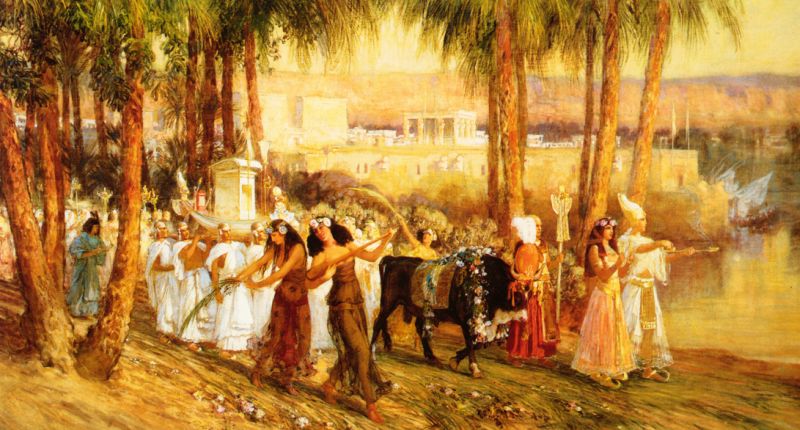
Carnival is marked by exuberant public celebrations: parades fill the streets with music, dancers, and floats, while participants don masks and costumes that allow them to shed their everyday identities. Food plays a central role, with communities preparing and consuming rich dishes like pancakes, donuts, and other sweets—foods that will be set aside during Lent. In some places, traditions include carrying decorated rods, eating special buns after church, and collecting palm branches for Ash Wednesday ashes. The atmosphere is one of indulgence and togetherness, with people of all ages joining in games, music, and dance. The festival is a time to reflect on upcoming Lenten sacrifices, but also to enjoy the pleasures of life in the company of others.



Joining in
Visitors to Carnival can expect lively crowds, colorful costumes, and a welcoming, festive spirit. Major celebrations take place in cities across Brazil, Italy, Germany, Spain, and many other countries, each with its own local flavor and traditions. Whether watching a parade, sampling traditional foods, or joining in the dancing, newcomers are encouraged to participate and enjoy the sense of unity and celebration. It’s a unique chance to witness communities come alive with music, laughter, and creativity before the quieter days of Lent.
Sources and attribution
This page is Mela's own summary, written in new words. Its facts are drawn from the Wikipedia article Carnival, whose text is available under the CC BY-SA 4.0 licence, and from its Wikidata record (CC0). Each photo is credited to its author beside it. For the full account, read the originals below.
Read more
- Carnival on WikipediaEncyclopedia
- Encyclopaedia BritannicaArticle
- Carnival travel guide on WikivoyageTravel guide
- More photos on Wikimedia CommonsPhotos
- Wikidata recordOpen data
This page was written with AI assistance from the sources listed above, and checked automatically before publishing. Spotted a mistake? Tell us. Last refreshed 2026-10-03.
More cultural celebrations
See them all Cultural
14Feb
Valentine's Day🇧🇩 Bangladesh and 30 more countries
Cultural
14Feb
Valentine's Day🇧🇩 Bangladesh and 30 more countries
 Cultural
Febvaries
Feria del Sol🇻🇪 Mérida, Venezuela
Cultural
Febvaries
Feria del Sol🇻🇪 Mérida, Venezuela
 Cultural
Febvaries
Pasola🇮🇩 Indonesia
Cultural
Febvaries
Pasola🇮🇩 Indonesia
 Cultural
Febvaries
Sydney Gay and Lesbian Mardi Gras🇦🇺 Sydney, Australia
Cultural
Febvaries
Sydney Gay and Lesbian Mardi Gras🇦🇺 Sydney, Australia
 Cultural
9Feb
Vienna Opera Ball🇦🇹 Vienna, Austria
Cultural
9Feb
Vienna Opera Ball🇦🇹 Vienna, Austria
 Cultural
21Feb
Lantern Festival🇨🇳 China and 8 more countries
Cultural
21Feb
Lantern Festival🇨🇳 China and 8 more countries
 Cultural
9Feb
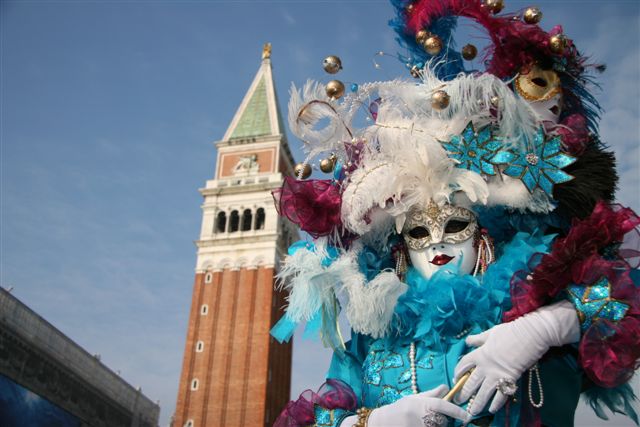
Carnival of Venice🇮🇹 Venice, Italy
Cultural
9Feb
Carnival of Venice🇮🇹 Venice, Italy
 Cultural
2Feb
Groundhog Day🇨🇦 Punxsutawney, Canada and 1 more country
Cultural
2Feb
Groundhog Day🇨🇦 Punxsutawney, Canada and 1 more country