
Valentine's Day, also known as Saint Valentine's Day, is observed on February 14 in many countries worldwide. Originally a Christian feast day honoring Saint Valentine, it has become a popular celebration of love and affection, marked by the exchange of cards, gifts, and romantic gestures.
- Observed on February 14 in many countries
- Traditionally marked by exchanging cards and gifts
- Symbols include hearts, doves, and Cupid
- Originated as a Christian feast day for Saint Valentine
- Celebrated in both religious and secular ways
What it is
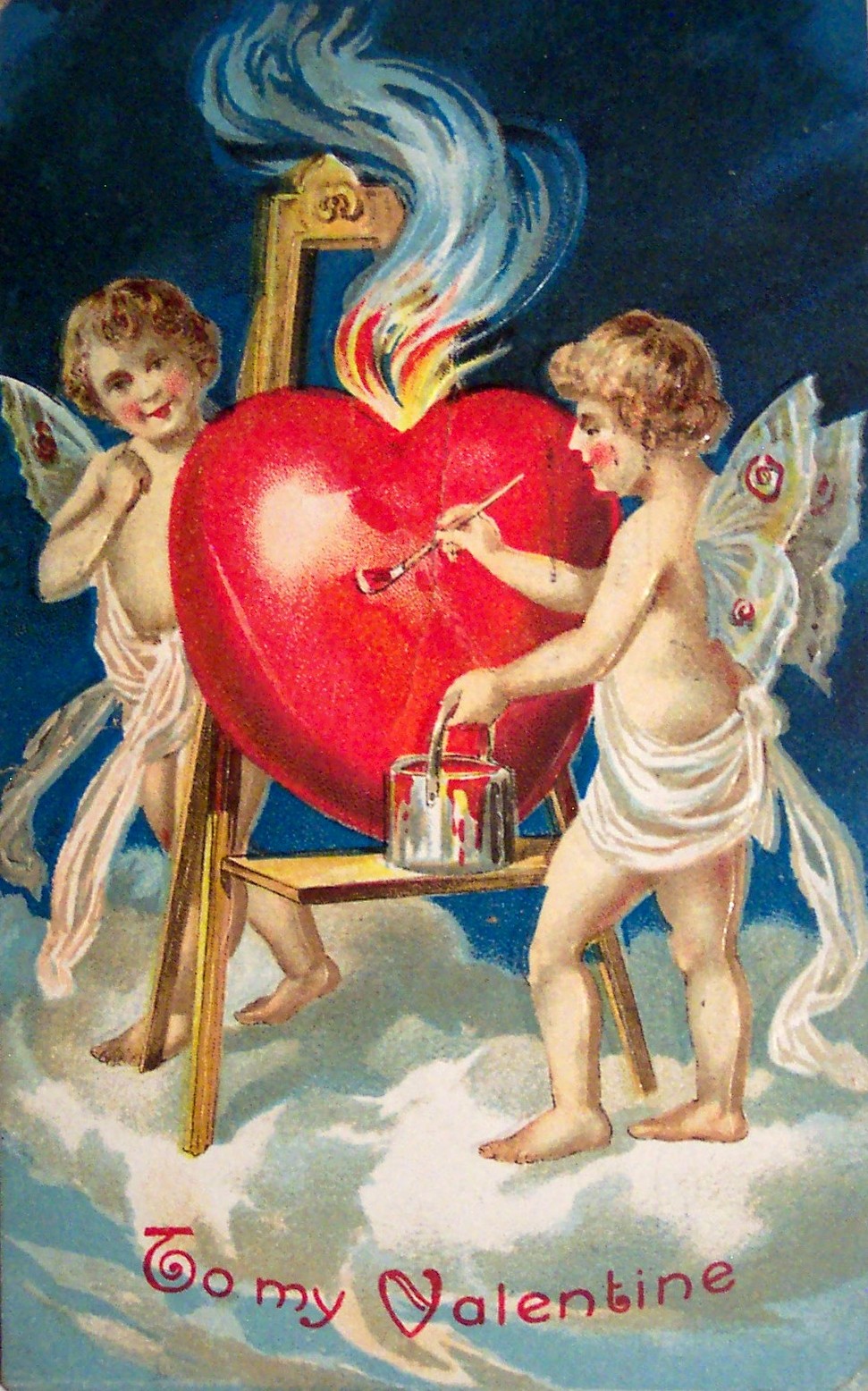
Valentine's Day is a celebration of love, affection, and commitment, observed each year on February 14. While its roots lie in Christian traditions commemorating Saint Valentine, over time it has grown into a global occasion for expressing romantic feelings. People mark the day by exchanging greeting cards, flowers, and gifts, often with heart-shaped motifs or images of Cupid. For many, it is a time to show appreciation for partners, friends, and loved ones, making it a widely anticipated event in both personal and commercial spheres.
Where it comes from
The festival traces its origins to the commemoration of Saint Valentine, a Christian martyr from the third century. Several legends surround his life, including stories of him ministering to persecuted Christians and performing secret weddings for soldiers. By the Middle Ages, February 14 became associated with courtly love, possibly inspired by the belief that birds began to pair in early spring. The tradition of exchanging tokens of affection, such as handwritten notes and flowers, took hold in 18th-century England and gradually spread to other parts of the world.
How it is celebrated
Valentine's Day is marked by the giving of cards—often called 'valentines'—along with flowers, chocolates, and other gifts. Symbols like red hearts, doves, and Cupid are commonly seen, and couples may spend time together or exchange messages of love. In some cultures, special keys are given as tokens, and church services or novenas may also be held, particularly in Christian communities. The day has also become commercialized, with shops and restaurants offering themed products and experiences. While romantic love is central, the day can also be used to celebrate friendship and familial affection.


Joining in
Visitors will find Valentine's Day widely observed in cities around the world, from Europe to Asia and the Americas. Shops and streets are often decorated with red and pink motifs, and restaurants may offer special menus for couples. While customs vary, newcomers can participate by exchanging cards or small gifts, or simply enjoying the festive atmosphere. In some places, local churches may hold services in honor of Saint Valentine, offering a more spiritual dimension to the day.
Sources and attribution
This page is Mela's own summary, written in new words. Its facts are drawn from the Wikipedia article Valentine's Day, whose text is available under the CC BY-SA 4.0 licence, and from its Wikidata record (CC0). Each photo is credited to its author beside it. For the full account, read the originals below.
Read more
- Valentine's Day on WikipediaEncyclopedia
- Encyclopaedia BritannicaArticle
- More photos on Wikimedia CommonsPhotos
- Wikidata recordOpen data
This page was written with AI assistance from the sources listed above, and checked automatically before publishing. Spotted a mistake? Tell us. Last refreshed 2026-10-02.
More cultural celebrations
See them all Cultural
9Feb
Carnival🇦🇷 Argentina and 29 more countries
Cultural
9Feb
Carnival🇦🇷 Argentina and 29 more countries
 Cultural
Febvaries
Feria del Sol🇻🇪 Mérida, Venezuela
Cultural
Febvaries
Feria del Sol🇻🇪 Mérida, Venezuela
 Cultural
Febvaries
Pasola🇮🇩 Indonesia
Cultural
Febvaries
Pasola🇮🇩 Indonesia
 Cultural
Febvaries
Sydney Gay and Lesbian Mardi Gras🇦🇺 Sydney, Australia
Cultural
Febvaries
Sydney Gay and Lesbian Mardi Gras🇦🇺 Sydney, Australia
 Cultural
9Feb
Vienna Opera Ball🇦🇹 Vienna, Austria
Cultural
9Feb
Vienna Opera Ball🇦🇹 Vienna, Austria
 Cultural
21Feb
Lantern Festival🇨🇳 China and 8 more countries
Cultural
21Feb
Lantern Festival🇨🇳 China and 8 more countries
 Cultural
9Feb
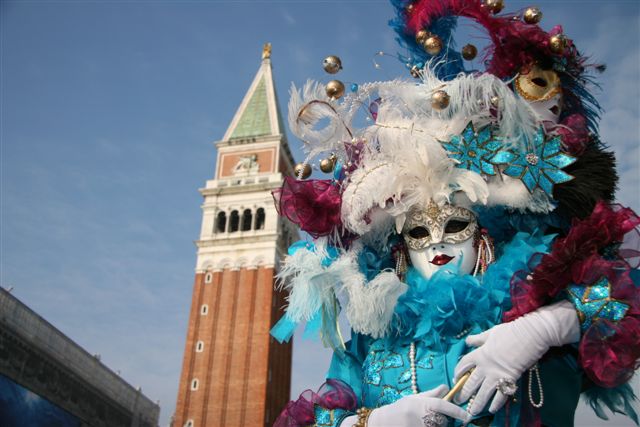
Carnival of Venice🇮🇹 Venice, Italy
Cultural
9Feb
Carnival of Venice🇮🇹 Venice, Italy
 Cultural
2Feb
Groundhog Day🇨🇦 Punxsutawney, Canada and 1 more country
Cultural
2Feb
Groundhog Day🇨🇦 Punxsutawney, Canada and 1 more country