Carnival of Venice
Venice transforms with masks, costumes, and centuries-old revelry.
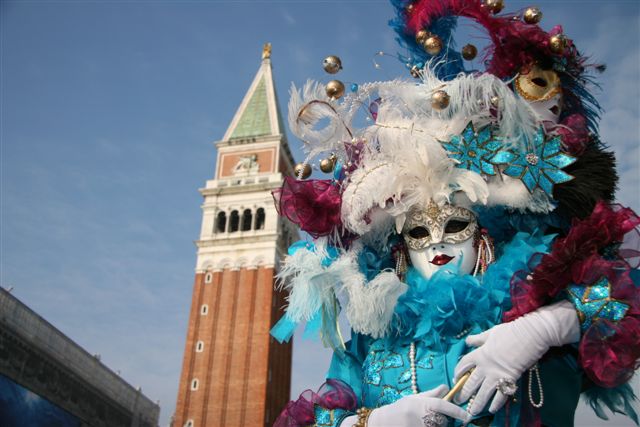
The Carnival of Venice is a world-renowned festival held each year in Venice, Italy, ending on Shrove Tuesday, the day before Lent begins. Famed for its elaborate masks and costumes, the event draws millions of visitors who come to experience its vibrant parades, contests, and historic atmosphere.
- Ends on Shrove Tuesday, the day before Lent
- Famous for its elaborate masks and costumes
- Attracts up to 3 million visitors each year
- Main celebrations center on St Mark’s Square
- Features a contest for the most beautiful mask
What it is
The Carnival of Venice is an annual celebration that fills the city with color, music, and mystery. Known for its ornate masks and lavish costumes, the festival invites both locals and visitors to step into a world where social boundaries blur and creativity reigns. For Venetians, the Carnival is a cherished tradition that honors the city’s artistic heritage and communal spirit. The event transforms Venice into a stage, with masked figures wandering through ancient squares and along winding canals, evoking a sense of timeless enchantment.
Where it comes from
The roots of the Carnival of Venice stretch back to the Middle Ages, with some legends tracing its beginnings to a victory celebration in 1162. Over the centuries, the festival became a fixture of Venetian life, especially during the Renaissance and Baroque periods, when it was famed for its opulence and sense of freedom. In 1797, the festivities were banned under Emperor Francis II, and masks were forbidden. Though the tradition lingered in private gatherings, it was only in 1979 that the Carnival was officially revived, reclaiming its place as a symbol of Venetian culture and attracting visitors from around the world.
How it is celebrated
During Carnival, Venice becomes a living theatre. People don elaborate masks—crafted from leather, porcelain, or hand-painted papier-mâché—and parade through the city in costumes inspired by centuries of Venetian fashion. The heart of the festivities is St Mark’s Square, where crowds gather for music, performances, and the celebrated contest for la maschera più bella, the most beautiful mask. Maskmakers, known as mascherari, continue a tradition dating back to the 15th century, creating unique pieces adorned with gold leaf, feathers, and gems. The festival’s atmosphere is one of playful anonymity, where anyone can join in the revelry, regardless of background or status.


Joining in
Visitors to the Carnival of Venice can expect a city transformed: narrow streets and grand piazzas fill with masked figures, street performers, and musicians. The main events take place in and around St Mark’s Square, but the entire city buzzes with activity. To take part, you can rent or purchase a mask from a local artisan and join the parades or simply wander and take in the spectacle. Expect large crowds, especially on weekends and during the final days leading up to Shrove Tuesday, and be prepared for a truly immersive experience in Venetian tradition.
Sources and attribution
This page is Mela's own summary, written in new words. Its facts are drawn from the Wikipedia article Carnival of Venice, whose text is available under the CC BY-SA 4.0 licence, and from its Wikidata record (CC0). Each photo is credited to its author beside it. For the full account, read the originals below.
Read more
- Carnival of Venice on WikipediaEncyclopedia
- Official websiteOfficial site
- More photos on Wikimedia CommonsPhotos
- Wikidata recordOpen data
This page was written with AI assistance from the sources listed above, and checked automatically before publishing. Spotted a mistake? Tell us. Last refreshed 2026-10-03.
 Sports
 Arts and film
 Sports
 Sports
 Cultural
 Cultural
 Cultural
 Cultural